 Free shipping on orders over £29,85
  Shipping Tracking!


 Google
 Facebook
How long does it take for resin clay to cure?
Understand resin clay curing times and choose the perfect fit
Choosing the right resin for your craft or art project often comes down to one essential question: how long will it take to cure? Whether you’re casting intricate jewellery, creating detailed prototypes, or finishing 3D prints, understanding resin curing times is a vital part of planning your workflow. This page provides a comprehensive comparison of rapid-cure resin solutions designed for artists, crafters, jewellery makers, and professionals who work with resin clay and need fast, reliable results.
Overview: Resin Clay Curing Times Compared
Resin clay and similar crafting resins come in a variety of formulations � each offering unique curing profiles. The main factors that affect curing time include the type of resin (such as UV, epoxy, or polyurethane), the thickness of each layer, temperature, and curing method. UV-curing acrylic resins are fastest, setting hard in minutes under a suitable lamp, while fast-epoxy systems and polyurethanes offer efficient curing ranging from half an hour to several hours. Choosing the right resin saves time, reduces handling risks, and ensures your project moves forward smoothly.
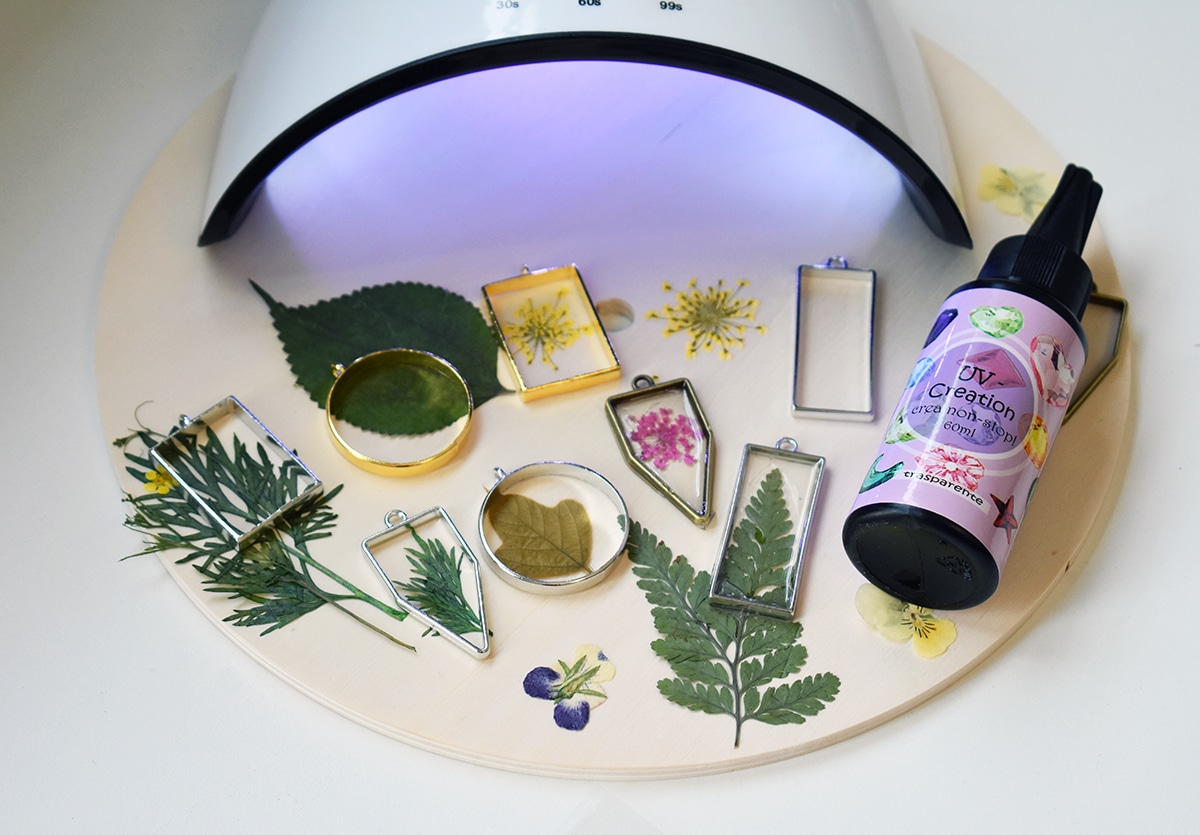
See Fast-Curing Resins in Action
Explore real-world examples of UV-curing and fast-epoxy resin projects to compare curing outcomes and finishes.
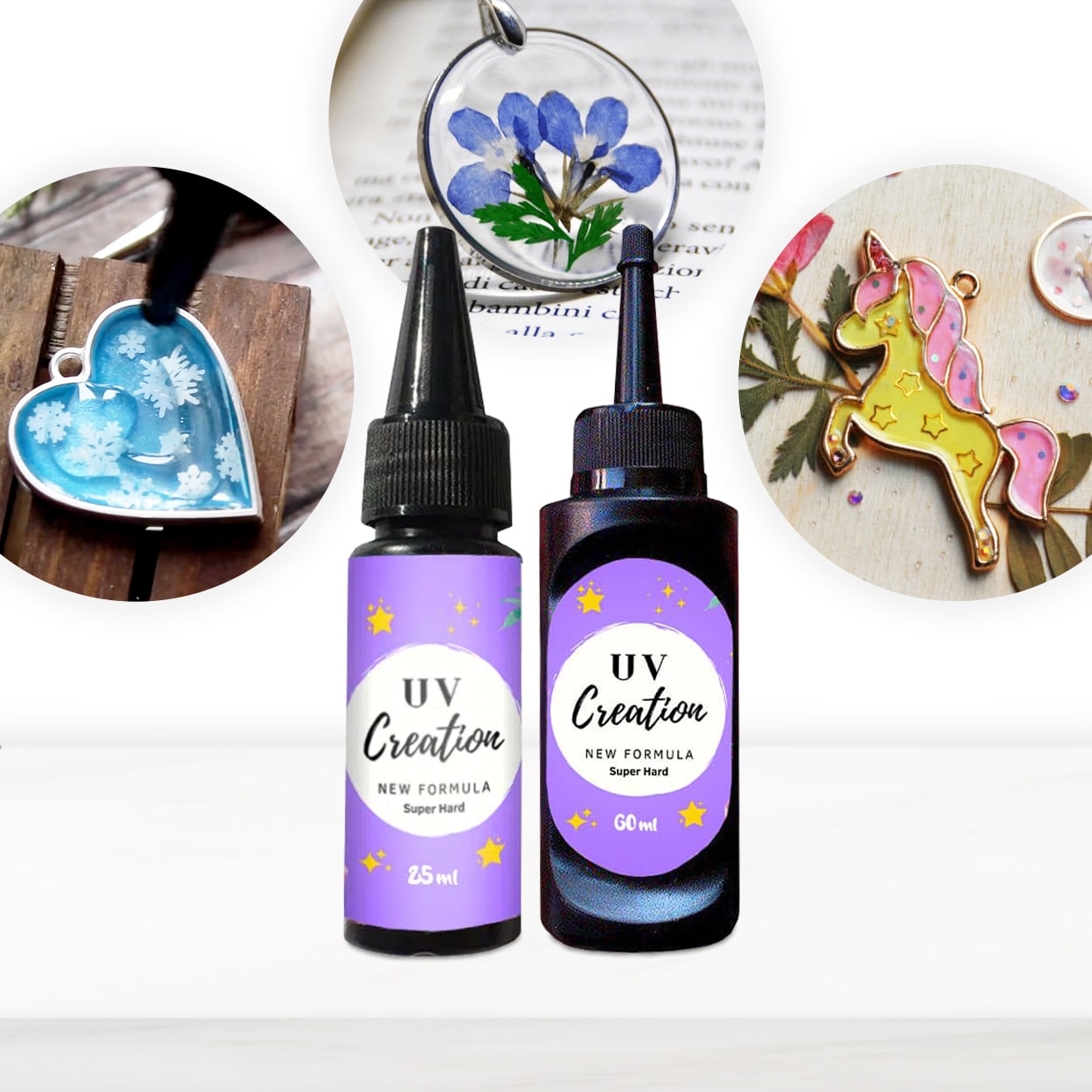
“UV–Creation” – Fast Acrylic Resin, 3 Minute UV Cure
If speed is your top priority, “UV–Creation” – Fast Acrylic Resin, 3 Minute UV Cure is the ideal choice. This ready-to-use, one-component acrylic resin hardens fully within just 2–3 minutes under a UV lamp. It is especially popular among jewellery artists and creative makers for its crystal-clear, non-yellowing finish and easy application. Because there’s no mixing required and it is non-toxic and odourless, UV–Creation is perfect for rapid jewellery setting and small decorative accents. Note that it is best used in layers up to 3mm thick to ensure full penetration of UV light.
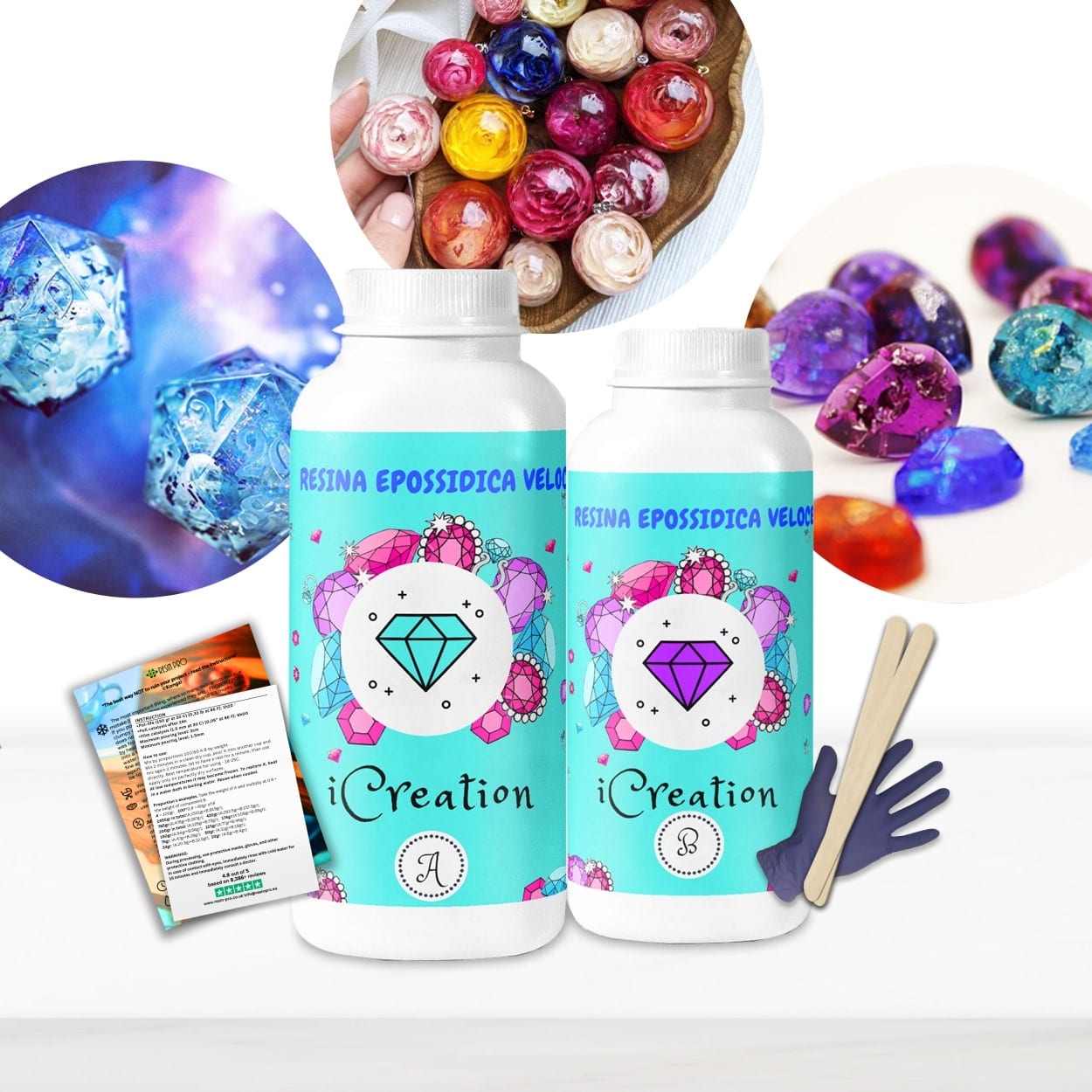
“ICreation” – Fast Epoxy Resin, 6h Demoulding, Transparent Gloss Finish
For those seeking an epoxy option with reduced waiting times, “ICreation” – Fast Epoxy Resin, 6h Demoulding, Transparent Gloss Finish delivers projects ready for demoulding in as little as 6 hours, with a full cure achieved in 12 hours. This two-component resin is perfect for makers needing a strong, self-levelling, glossy surface for jewellery, art pieces, or decorative objects. Its straightforward 2:1 mixing ratio makes preparation simple, whilst a built-in UV filter protects creations from yellowing. It’s ideal for artists who need a balance of speed and classic epoxy clarity for their resin clay projects.
“IWhite” – Polyurethane Casting Resin – White, Fast-Curing Two-Part System
“IWhite” – Polyurethane Casting Resin – White, Fast-Curing Two-Part System is designed for even swifter results where speed and fine detail are essential. This resin can be demoulded in approximately 30 minutes, making it highly suited for prototyping, model making, and crafts that require crisp replication of intricate details. Its high fluidity helps to fill complex moulds with minimum air bubbles, and the material is easy to tint or paint. Because it’s polyurethane-based (not an epoxy), it provides a durable, detailed finish and is valued by professional model makers and enthusiastic hobbyists alike.
“3D Finish” – Fast Coating Epoxy Resin for 3D Prints
If you’re looking to improve and seal 3D prints with minimum delay, “3D Finish” – Fast Coating Epoxy Resin for 3D Prints offers rapid results, curing in about 4 hours at standard room temperature (20°C). This fast-coating resin adheres strongly to PLA, ABS, and LAYWOOD, eliminating visible print layers and producing a smooth, polishable, and paintable surface. It’s the go-to option for anyone wanting to quickly enhance the appearance and durability of 3D-printed models, miniatures, or parts with a professional, glossy finish.
Tips on Achieving the Best Cure and Matching to Your Project
To ensure optimal curing results and avoid sticky or soft finishes, always follow the temperature and thickness guidelines provided for each product. Work in a clean area free from dust or excessive humidity, and avoid rushing removal from moulds before full cure, especially for larger or thicker projects. Thinner layers not only speed up curing but also reduce the risk of bubbles and incomplete hardening. Choosing the resin that matches your technique and project pace—whether it’s a ultra-quick UV cure, a flexible epoxy timeline, or rapid model casting—will give the most consistent results.
Expert Advice for Faster, Safer Curing
Proper mixing, curing conditions, and careful handling help achieve predictable, reliable results and maintain safety when using any fast-curing resin system.

- "UV–Creation" – Fast Acrylic Resin, 3 Minute UV CurePrice range: £8.45 through £62.95UV–Creation resin cures in 2–3 minutes under UV light, suitable for jewellery makers seeking quick, clear, and easy-to-use resin.
- "ICreation" – Fast Epoxy Resin, 6h Demoulding, Transparent Gloss FinishPrice range: £15.95 through £55.95"ICreation" Fast Epoxy Resin cures in 6 hours for demoulding with a transparent, glossy finish suitable for jewellery and decorative crafts.
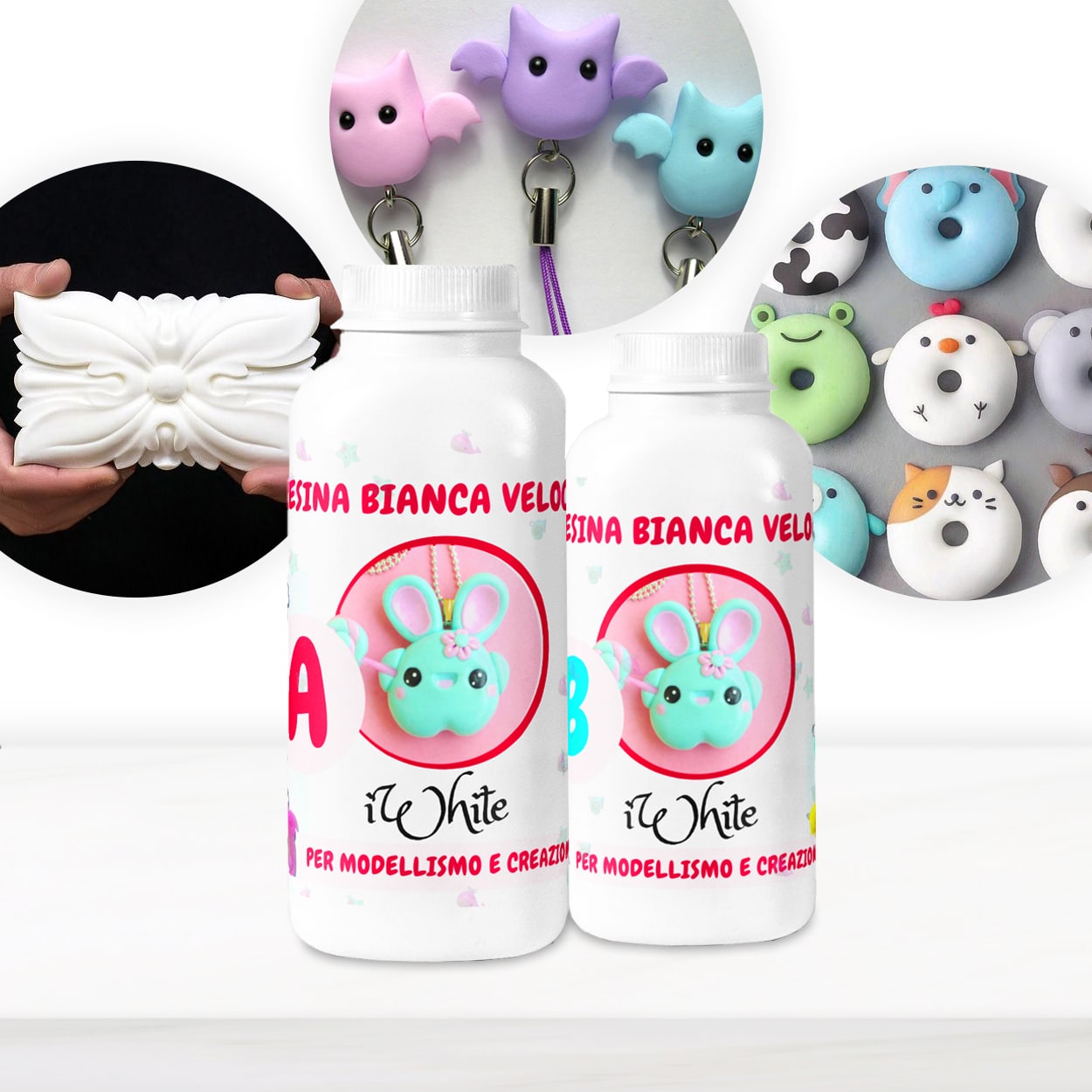 “IWhite” – Polyurethane Casting Resin – White, Fast-Curing Two-Part SystemPrice range: £24.00 through £36.95IWHITE is a highly fluid polyurethane resin suitable for fast prototyping and detailed casting with a quick curing time.
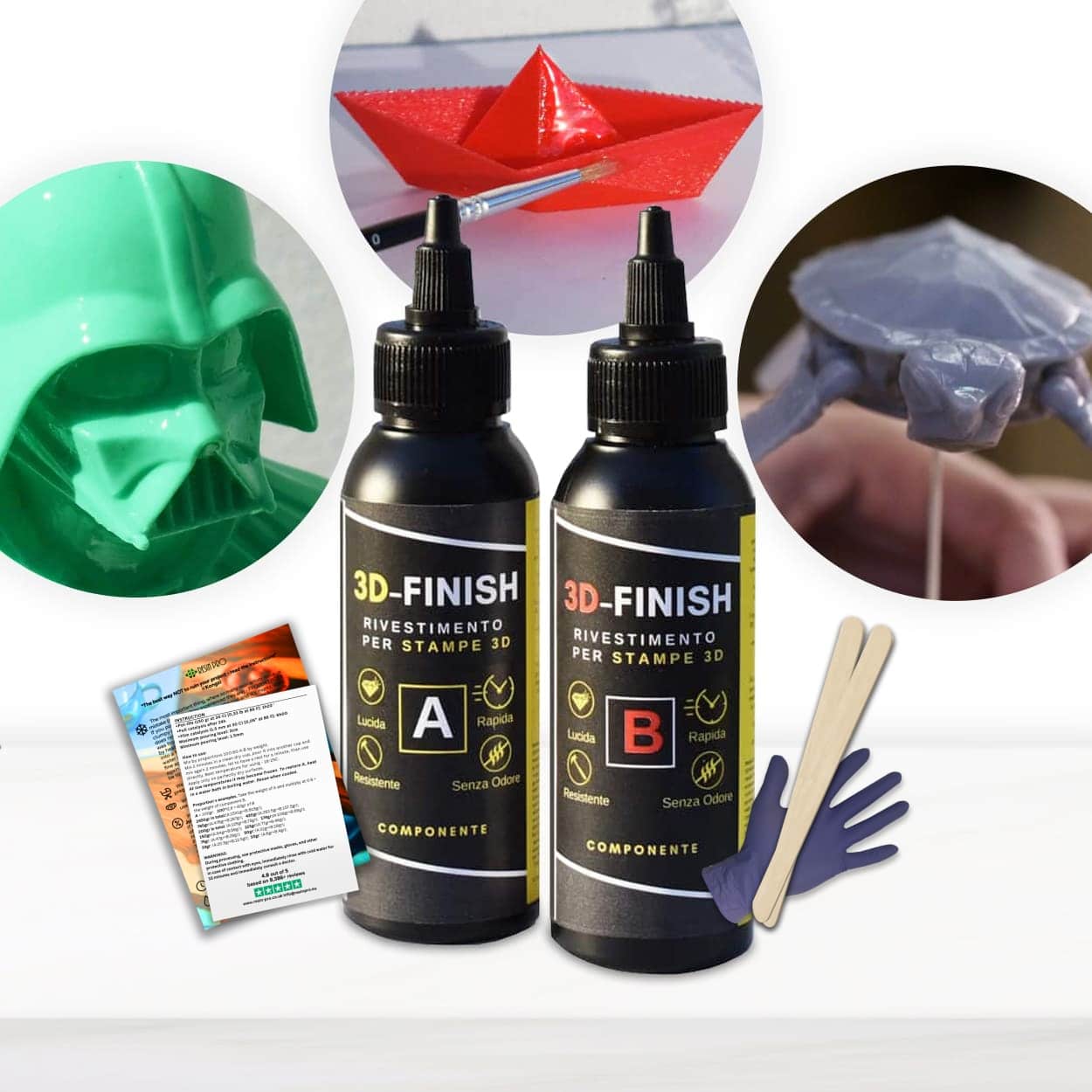 "3D Finish" – Fast Coating Epoxy Resin for 3D PrintsPrice range: £13.95 through £19.95"3D Finish" Fast Coating provides a non-drip glossy finish preserving details and eliminating layer lines in 3D prints.
Frequently Asked Questions
What factors affect resin clay curing time?
Resin type, layer thickness, curing temperature, and the use of UV light or accelerators all influence curing speed.
What is the fastest way to cure resin clay?
UV-curing resins harden in 2–3 minutes under a suitable lamp, making them the quickest option for small projects.
How long before demoulding epoxy resin clay?
Fast-curing epoxies like ICreation can be demoulded after 6 hours, with complete hardness reached after 12–24 hours.
Is polyurethane resin faster curing than epoxy?
Polyurethane resins typically cure faster, often hardening in about 30 minutes, compared to several hours for epoxy.
Why is my resin clay still sticky after curing?
Incomplete cure may be due to low temperature, thick layers, or incorrect mixing ratios. Always follow product instructions.
Can I speed up the curing process?
Using thinner layers, mild warmth, or choosing a UV resin system can help reduce curing times for suitable projects.