 Free shipping on orders over £29,85
  Shipping Tracking!


 Google
 Facebook
← Back to How much does it cost on average to have a resin floor installed?
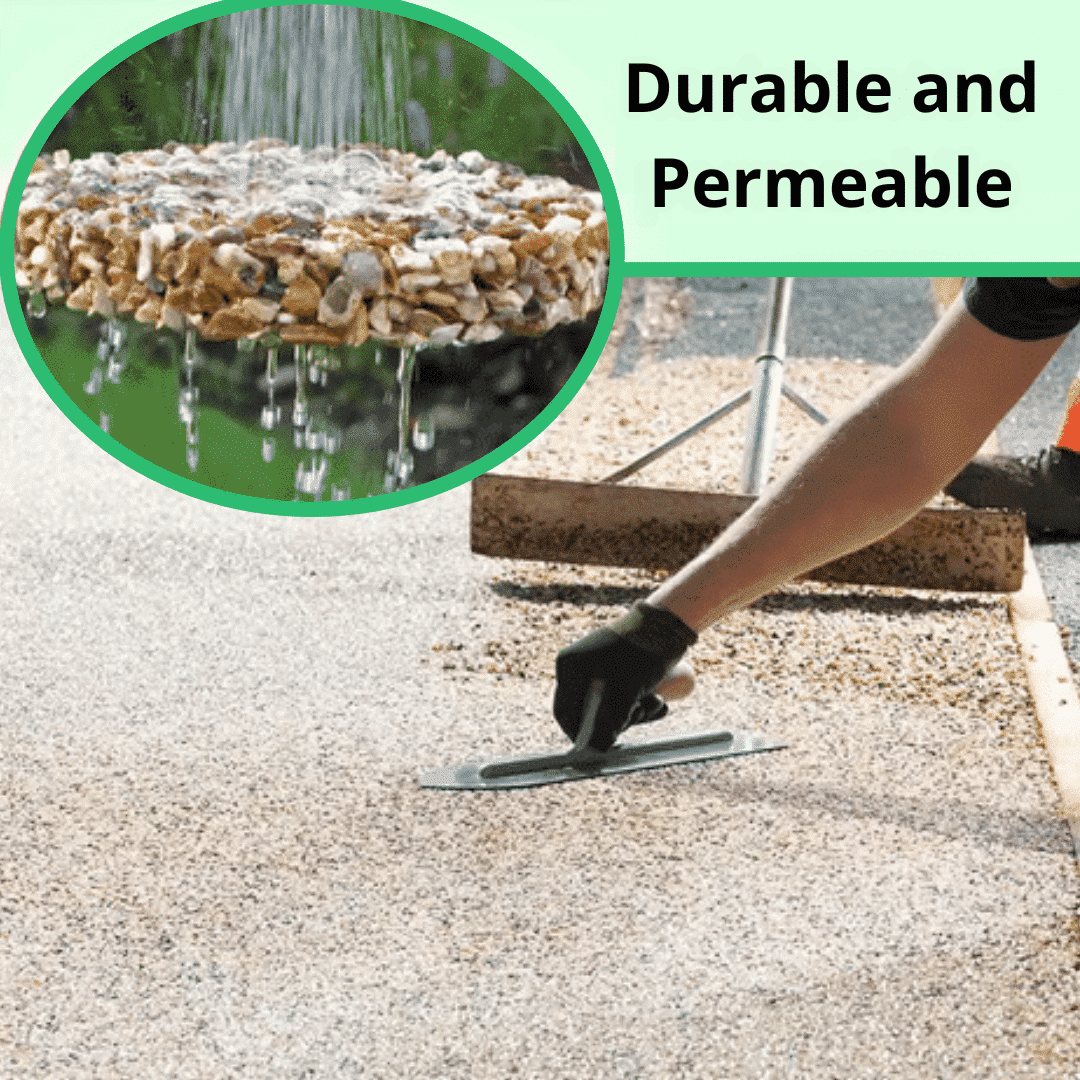
Proper ground preparation is crucial to achieve a long-lasting, attractive resin-bound floor. Setting up the correct base improves surface stability and helps prevent future problems like weeds or cracking.
Why Base Preparation Matters
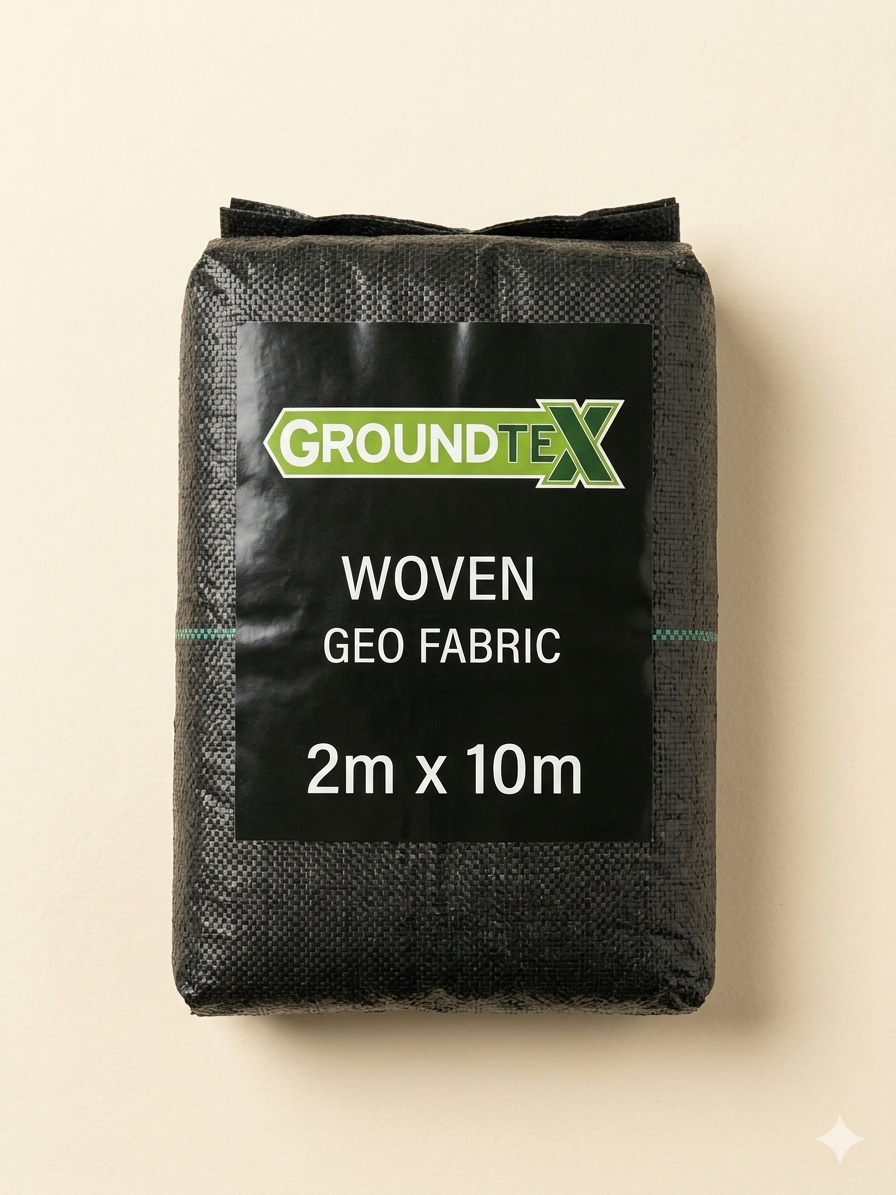
Resin floors, especially in outdoor settings, need a solid, stable foundation to perform well over time. Sub-base instability often leads to shifting, surface cracks, or the growth of unwanted weeds. Using a high-quality geotextile membrane, such as Groundtex Woven Weed Membrane, will suppress weeds and stabilise the ground underneath your resin system, making it suitable for driveways, patios, and pathways.
Steps to Prepare Your Base
- Clear and level: Remove any loose debris, vegetation, or old surface materials.
- Install a geotextile membrane: Lay the weed membrane over your prepared sub-base to prevent plant growth and maintain evenness.
- Add a suitable sub-base: Use a compacted layer of MOT Type 1 or similar aggregate for load-bearing strength.
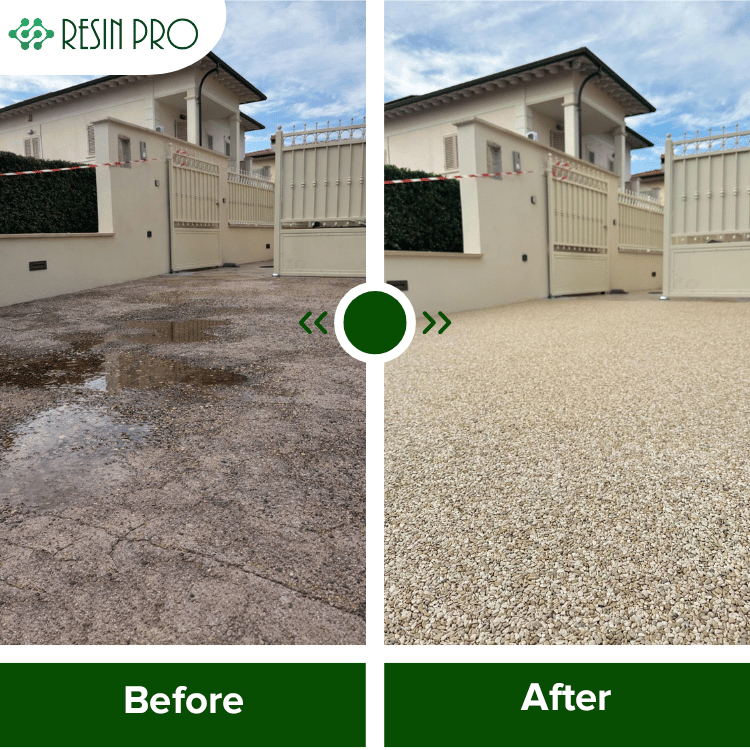
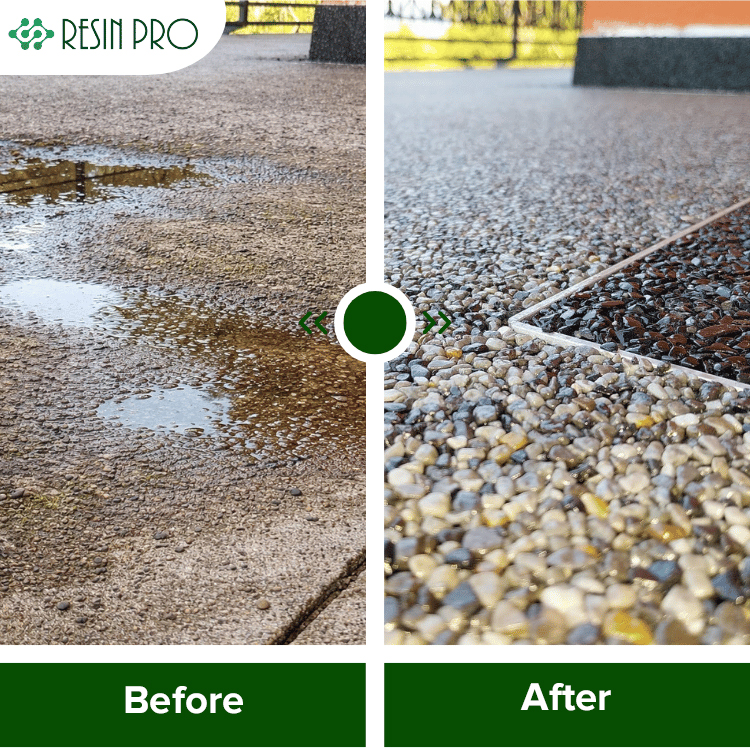
- Check drainage: Ensure falls and drainage are in place to avoid water pooling under your resin floor.
When Specialist Preparation Matters Most
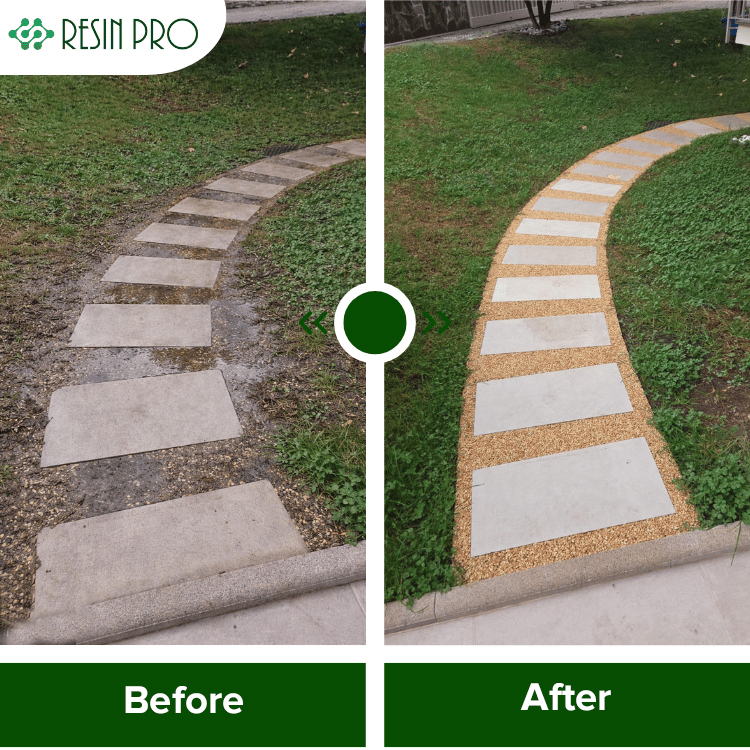
Specialist ground preparation is particularly vital for outdoor resin floors, like driveways or footpaths subject to traffic and the UK climate. Without the correct base, the resin surface can become uneven or allow weeds to break through, reducing both longevity and visual appeal.
Related products
Related guides
Investing the time and care in establishing a sound base pays dividends for any resin installation, both for appearance and durability. For a more detailed look at costs and considerations, visit our main guide on resin flooring installation costs.