 Free shipping on orders over £29,85
  Shipping Tracking!


 Google
 Facebook
← Back to How much does self-levelling resin for floors cost per square metre?
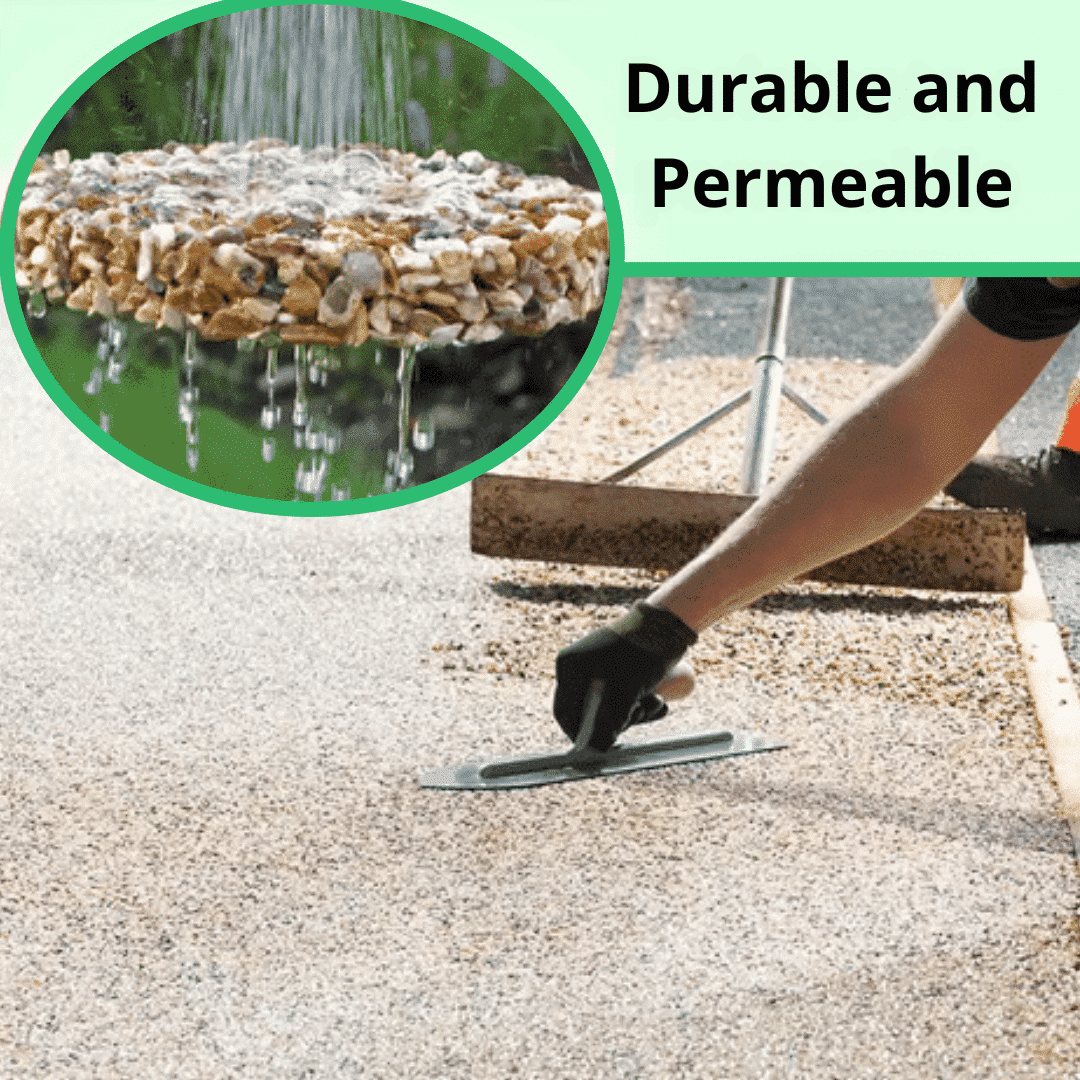
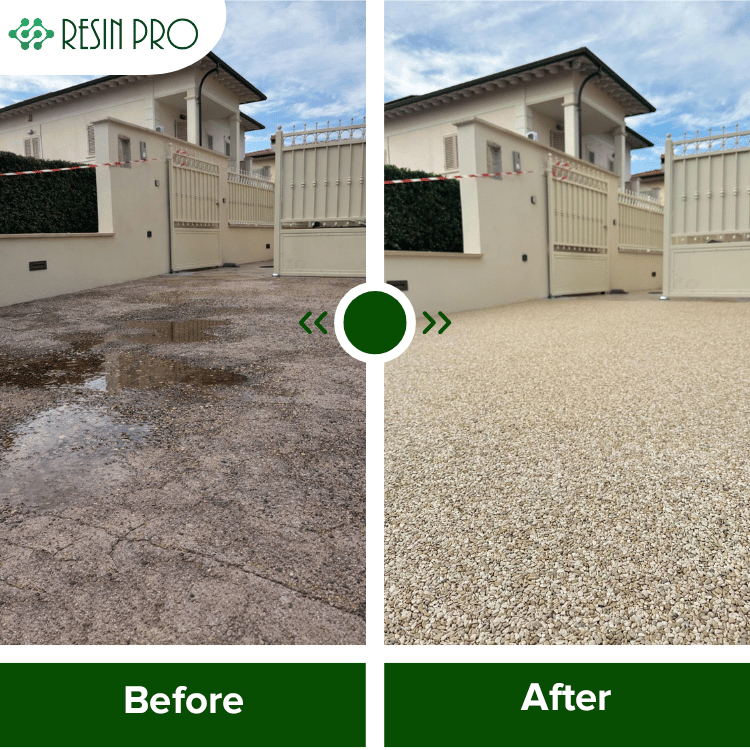
Choosing the right resin is key to achieving a smooth, durable self-levelling floor—whether you’re upgrading a driveway, patio, or internal space. Here’s a simple guide to the main options you’ll find for these modern floor systems, and how to match them to your needs.
Main Types of Resin for Self-Levelling Floors
Self-levelling floors use several distinct resin formulations depending on the substrate and final appearance required:
- Permeable floor kits: These combine a non-yellowing polyurethane or epoxy resin binder with decorative pebbles or grits, creating attractive, draining surfaces ideal for outdoor spaces. For example, the Flowstone permeable floor kit provides everything needed for DIY or professional use, with guidance on the best resin choice for your chosen aggregate colour.
- Clear epoxy binders for decorative stones: Transparent, UV-stable epoxy binders are designed for mixing with coloured or dark aggregates. They ensure a long-lasting, visually appealing finish suitable for driveways, paths, and custom floors. Always mix the binder and stones before application for proper encapsulation.
- Single-component resins for concrete: Specially developed for direct sealing of concrete floors and driveways, these resins sink deeply to provide robust protection against weather, stains, and wear.
- Water-based epoxy primers: Primers are essential to help the subsequent resin layers adhere securely to substrates, such as concrete, tile, screed, or timber. They also help even out absorption and support durable results.
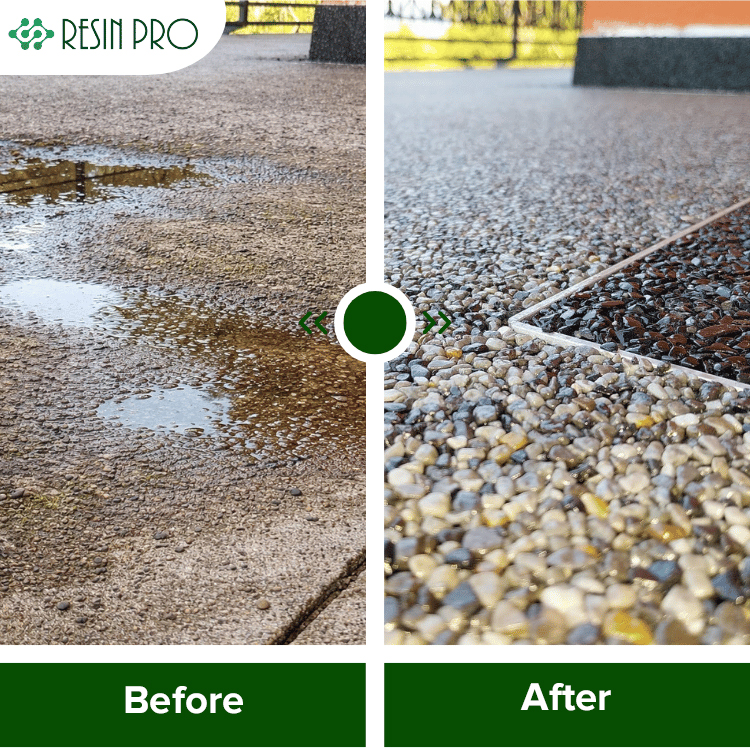
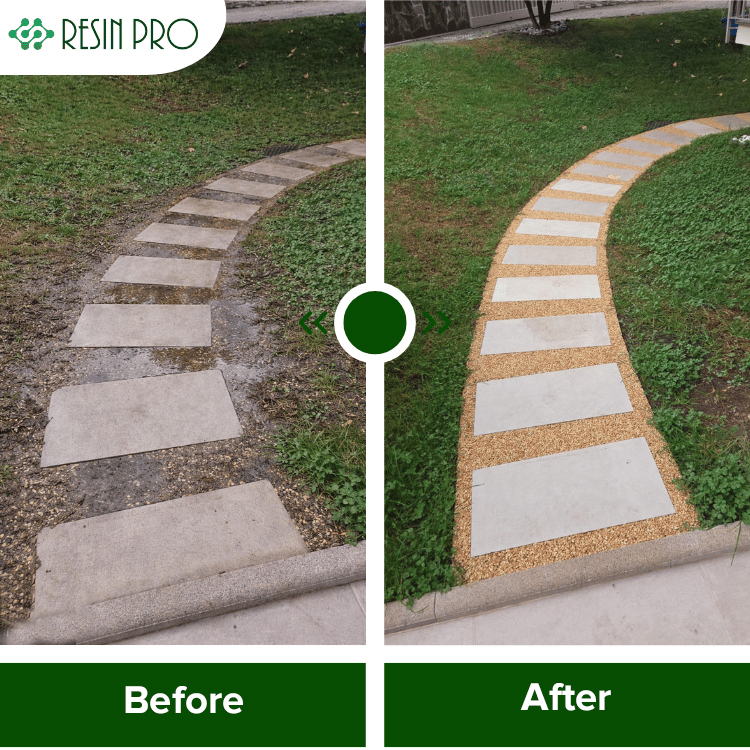
Which Resin to Choose?
Your best resin will depend on the surface you’re working with and your project’s demands:
- For outdoor areas that need water drainage and a decorative finish, choose a permeable system like pebble and resin kits.
- For bold, coloured stone finishes, use a dedicated clear epoxy binder designed for UV stability and visual clarity.
- For old or new concrete floors requiring sealing or a simple protective layer, opt for a single-component methacrylic resin.
- Always use a compatible, water-based primer beneath epoxy finishes to improve adhesion and extend the life of your floor.
When Special Resin Matters
Choosing the correct resin formulation makes a real difference in challenging areas—such as driveways exposed to weather, high-traffic paths, or patios prone to puddling. For white aggregates, non-yellowing polyurethane is recommended, while low-yellowing epoxy is better for coloured stones.
Related products
Related guides
Understanding the main types of resin for self-levelling floors helps you create a resilient, attractive surface that fits both your design vision and budget. For more on selecting the right system – and how cost is calculated – visit our main guide on self-levelling resin flooring costs.