 Free shipping on orders over £29,85
  Shipping Tracking!


 Google
 Facebook
← Back to How long does interior floor resin last?

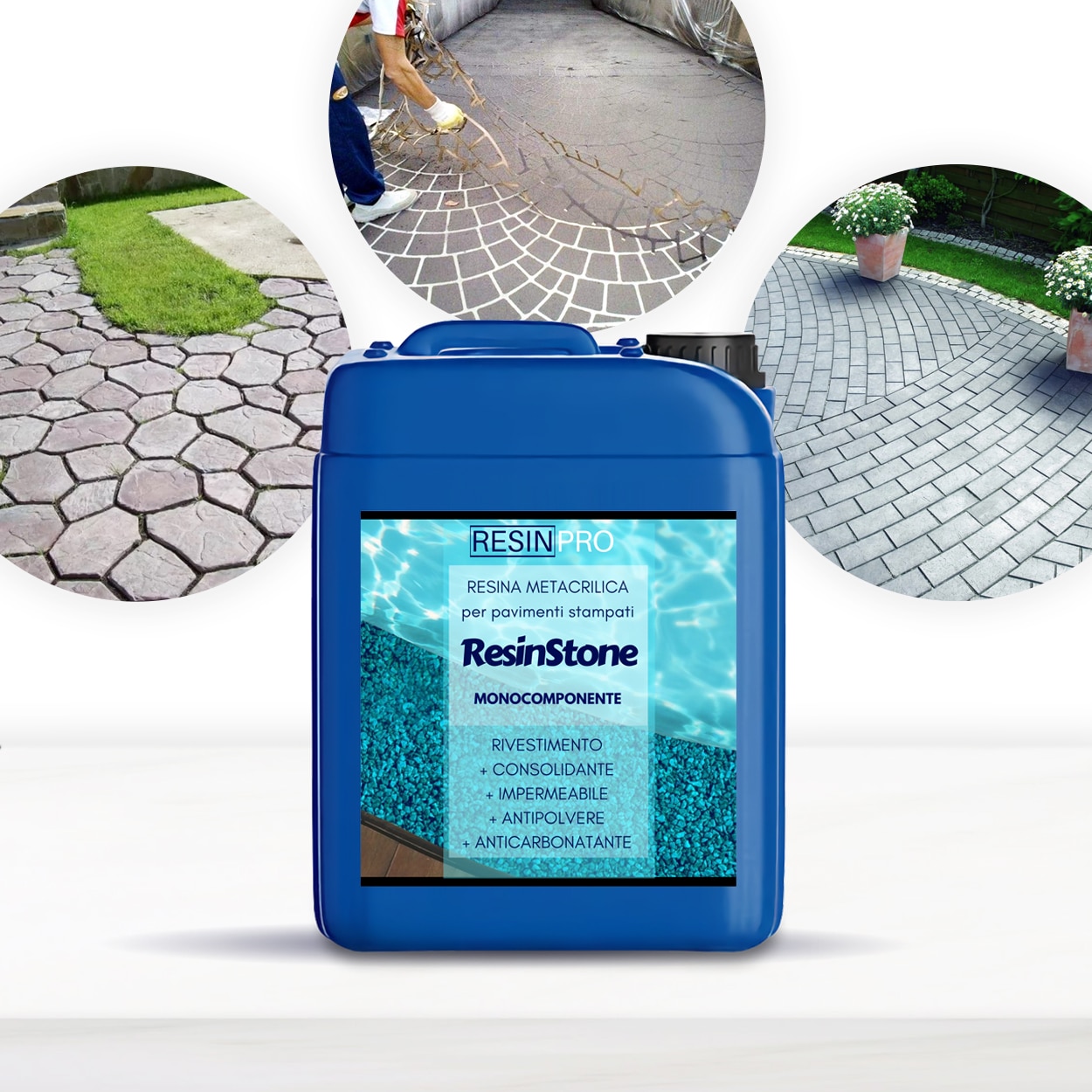
Resin flooring remains popular for its durability and seamless finish, but over years of use, wear and tear can occur. Fortunately, most resin floors can be refreshed, extended, or even spot-repaired to restore their appearance and integrity.
Light Refurbishment: Sanding and Recoating
If your resin floor is starting to look tired but is structurally intact, a light sanding followed by a fresh topcoat can bring back its original lustre. This process removes minor surface scratches and gives new life to worn finishes. Be sure to thoroughly clean and dry the area before recoating. For best results, using a product like the Epoxyprimer helps ensure the new layer bonds securely, providing a hard-wearing finish ready for years of use.

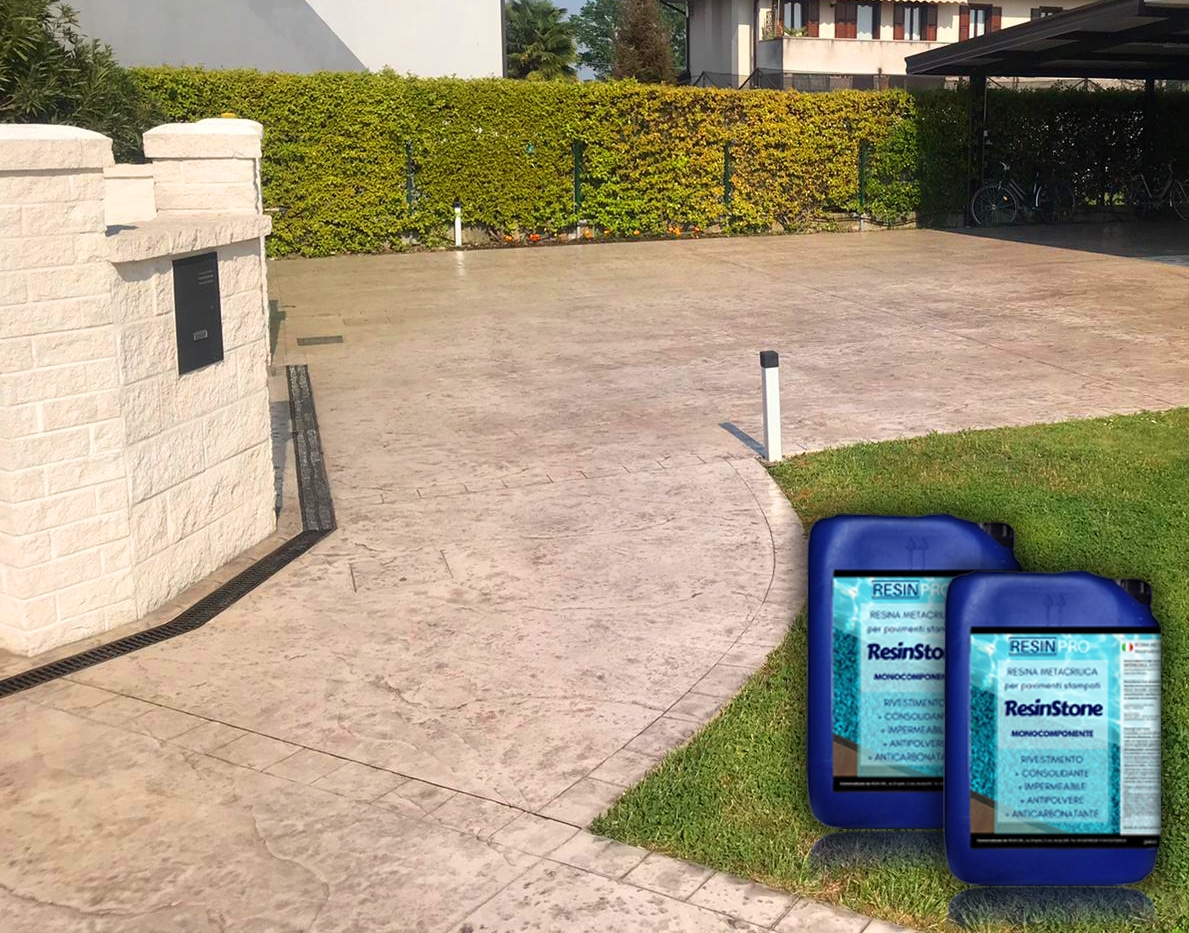
Spot Repairs: Addressing Chips and Scratches
Small chips or scratches don’t necessarily mean a floor replacement is needed. Most minor defects can be patched with a matching or compatible resin. Clean the affected spot, remove any loose fragments, and fill the area with the repair resin. Once cured, a gentle sand and topcoat will help blend the repair for a seamless result. Polyurethane coatings such as Prolux also offer tough, long-lasting protection for renewed surfaces.
When Does Floor Renewal Matter Most?
Renewal or repair especially matters in high-traffic zones, entrances, and areas subject to impact or heavy use. If your resin floor is exposed to frequent footfall or abrasion, periodic maintenance extends its lifespan and preserves the seamless, easy-clean qualities that make resin systems so practical.
Related products
Related guides
Regular maintenance and timely repairs let you make the most of your resin flooring investment. For broader tips on keeping your floors in top shape over the years, see our main guide on how long interior floor resin lasts.