 Free shipping on orders over £29,85
  Shipping Tracking!


 Google
 Facebook
← Back to How long does an epoxy resin repair last?
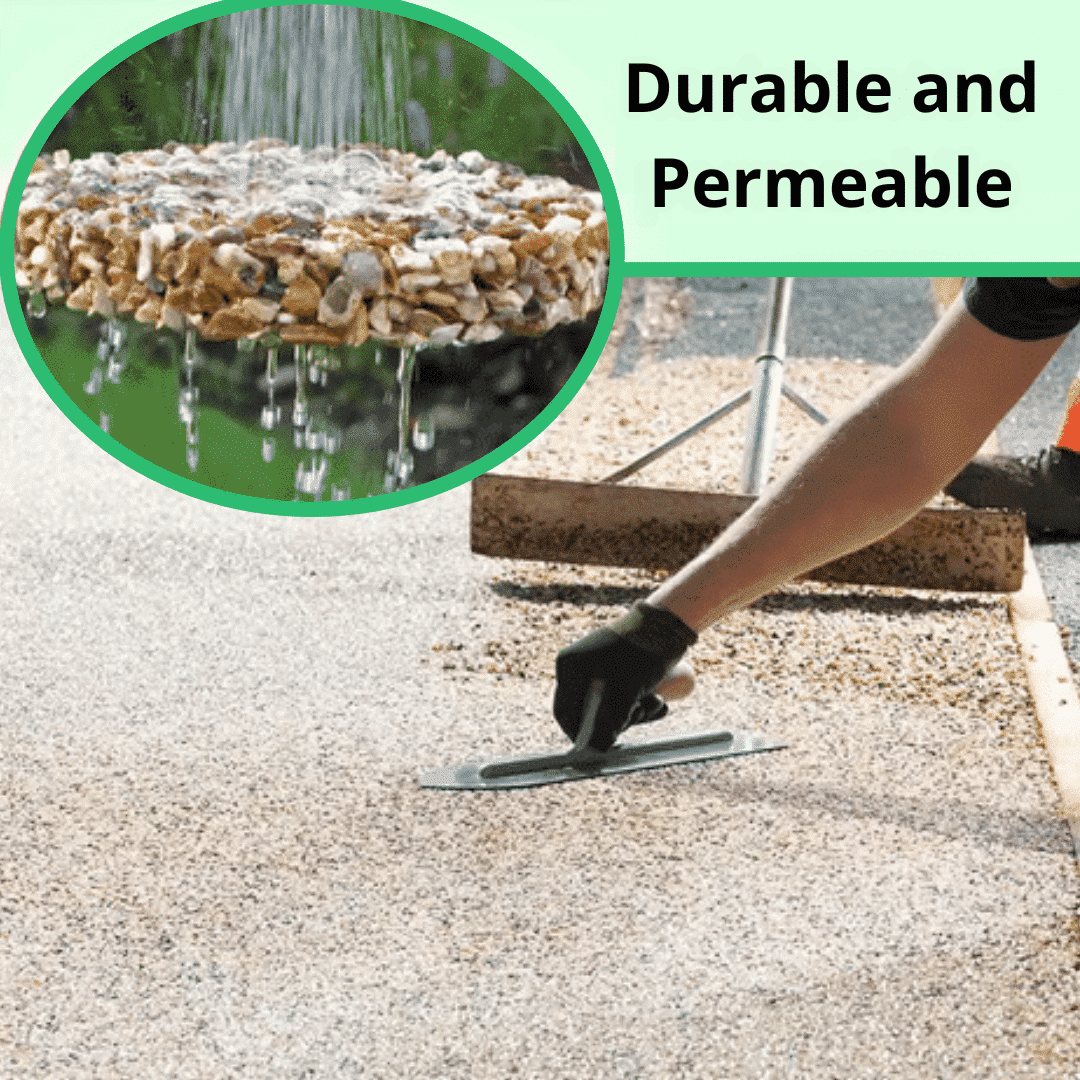
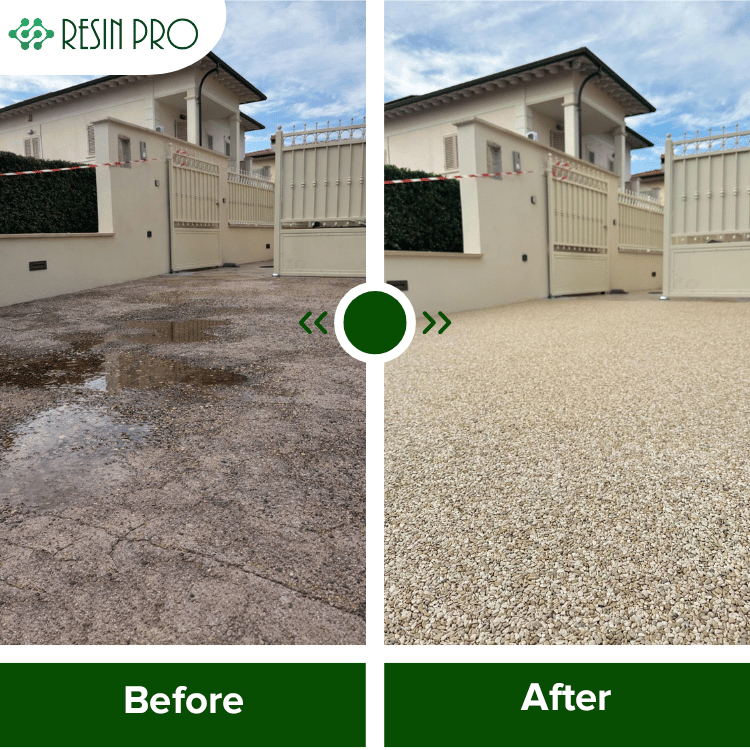
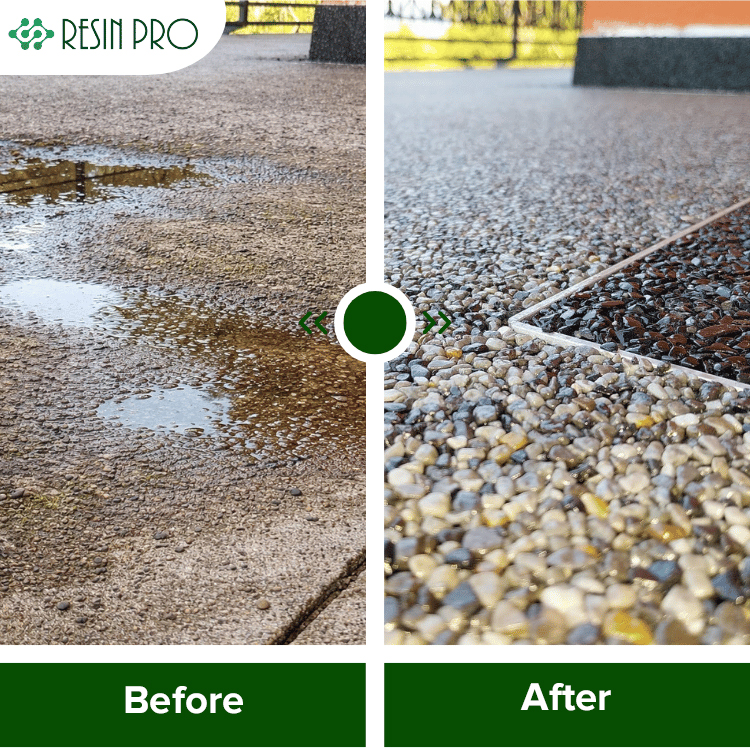
Standing water can cause frustration and even damage in outdoor spaces. Permeable floor systems, such as resin-bound pebble floors, provide an attractive and practical way to ensure water efficiently drains away, preventing the formation of puddles on driveways, patios, and footpaths.
How Permeable Resin Pebble Floors Work
Unlike traditional concrete or tarmac, permeable pebble floors use a combination of carefully graded aggregates and specialist resin binders. When installed, the pebbles are held in place but the gaps between them allow rainwater to drain through the surface, helping to keep your space dry. Flowstone kits are designed to maximise water movement while creating a robust and decorative finish suitable for all weather conditions.
Choosing and Applying Your Permeable Floor System
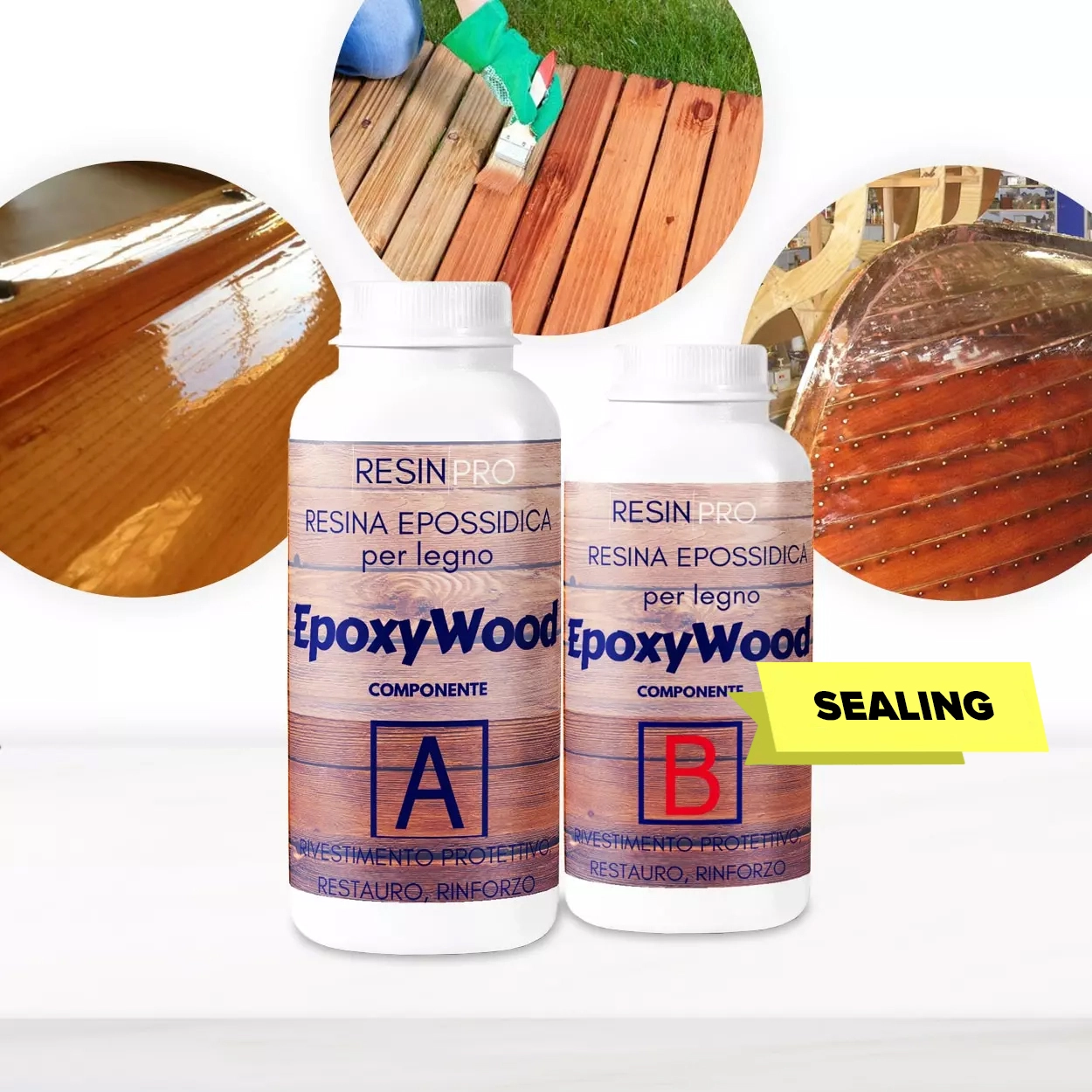
Selecting the right combination of stone and resin is important for both aesthetics and durability. Polyurethane binders are best for white or light aggregates, while epoxy binders suit coloured stones. Each kit typically comes with clear instructions, so even DIY enthusiasts can achieve a high-quality, water-draining result. The application is straightforward but should be done during mild, dry conditions for best curing.
- Match binder type to aggregate colour for lasting vibrance
- Apply on stable, properly prepared sub-surfaces
- Follow detailed mixing and spreading guidance for optimal permeability
When Drainage Matters Most
Permeable floor systems are especially valuable in areas prone to pooling or heavy rainfall, such as sloped drives or shaded patios. Keeping surfaces free from puddles not only reduces slip hazards but also helps protect the substructure beneath from erosion and frost damage.
Related products
Related guides
Opting for a resin-bound, permeable pebble floor solution is a smart upgrade for any outdoor area where water drainage and durability matter. For more insights on surface longevity, visit our main epoxy repair hub.