 Free shipping on orders over £29,85
  Shipping Tracking!


 Google
 Facebook
How much does a resin planter weigh?
Understand resin planter weight and choose the best casting products

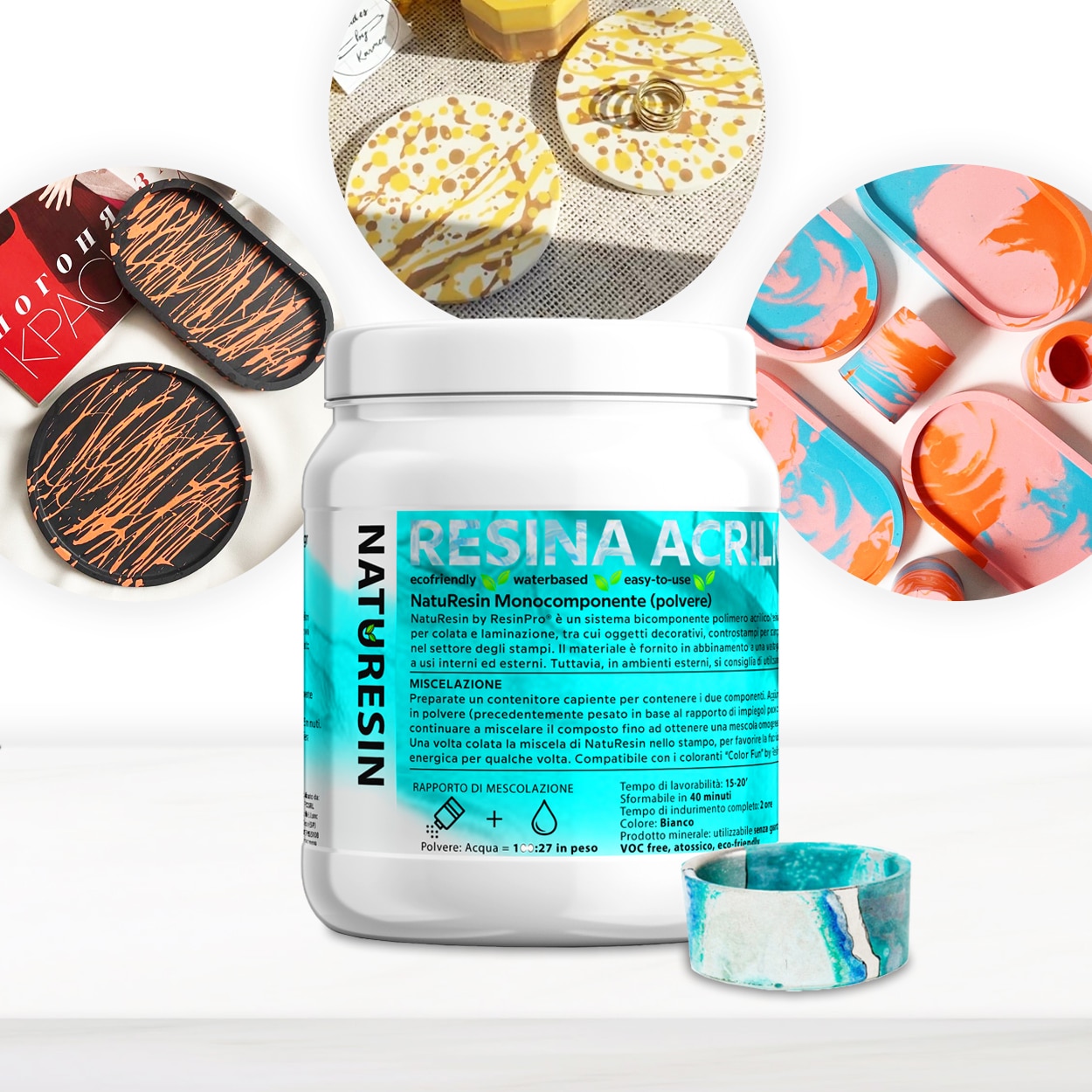
If you are planning a project with resin planters—whether for decorative vases, flower pots, or home accessories—understanding their weight is crucial. This guide helps artists, crafters, and DIY creators to estimate the weight of resin planters and choose the most suitable materials for casting, based on different types of resins and moulds.
Resin Planter Weight: What Influences It?
Resin planter weight varies by material, size, and wall thickness. The most common resins for planters are epoxy, mineral, and polyurethane, and each offers unique characteristics for creative casting. Weight can differ widely: a small decorative vase may weigh under a kilogram, while a larger planter can be several kilograms if cast solid. The density and composition of the chosen resin, together with the exact mould volume, ultimately determine the mass of your finished planter. Lightweight options are achievable with mineral or polyurethane resins, while thick solid epoxy castings are typically heavier.
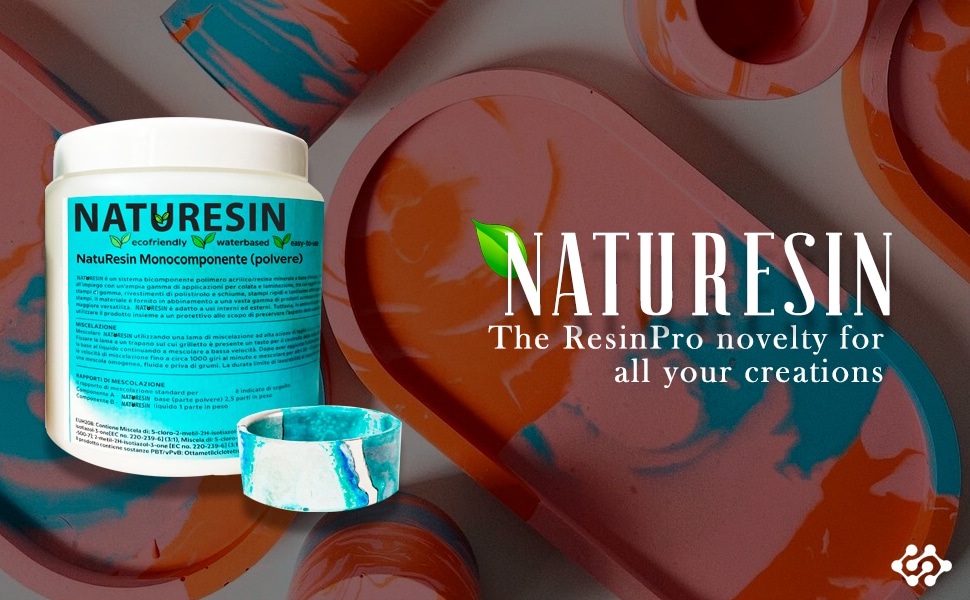
See How Resin Planter Size and Resin Type Affect Weight
Visual comparisons of resin planters can show significant differences in size and mass. Epoxy, mineral, and polyurethane resins each bring their own weight characteristics, so even similar-sized planters may vary in heaviness depending on the formulation. Refer to the guides and product examples to help estimate your own project’s final mass.
“Vase” – Flower Vase Resin Art Kit with Mica Powder and Silicone Mould
The “Vase” – Flower Vase Resin Art Kit with Mica Powder and Silicone Mould provides everything needed to create decorative, flower-shaped vases or trays. It contains 830g of medium-viscosity ART PRO epoxy resin, a Sahara Set of 10 shimmering mica pigments, and a 35cm silicone mould. While the kit supplies a specific volume of resin, the final weight of your vase or tray will depend on how much resin you pour into the mould—usually resulting in a substantial yet manageable weight ideal for home décor. Epoxy offers clarity and a durable finish, making it excellent for larger statement pieces.
“NatuResin” – Mineral Resin & Water System for Creative Casting and Crafts
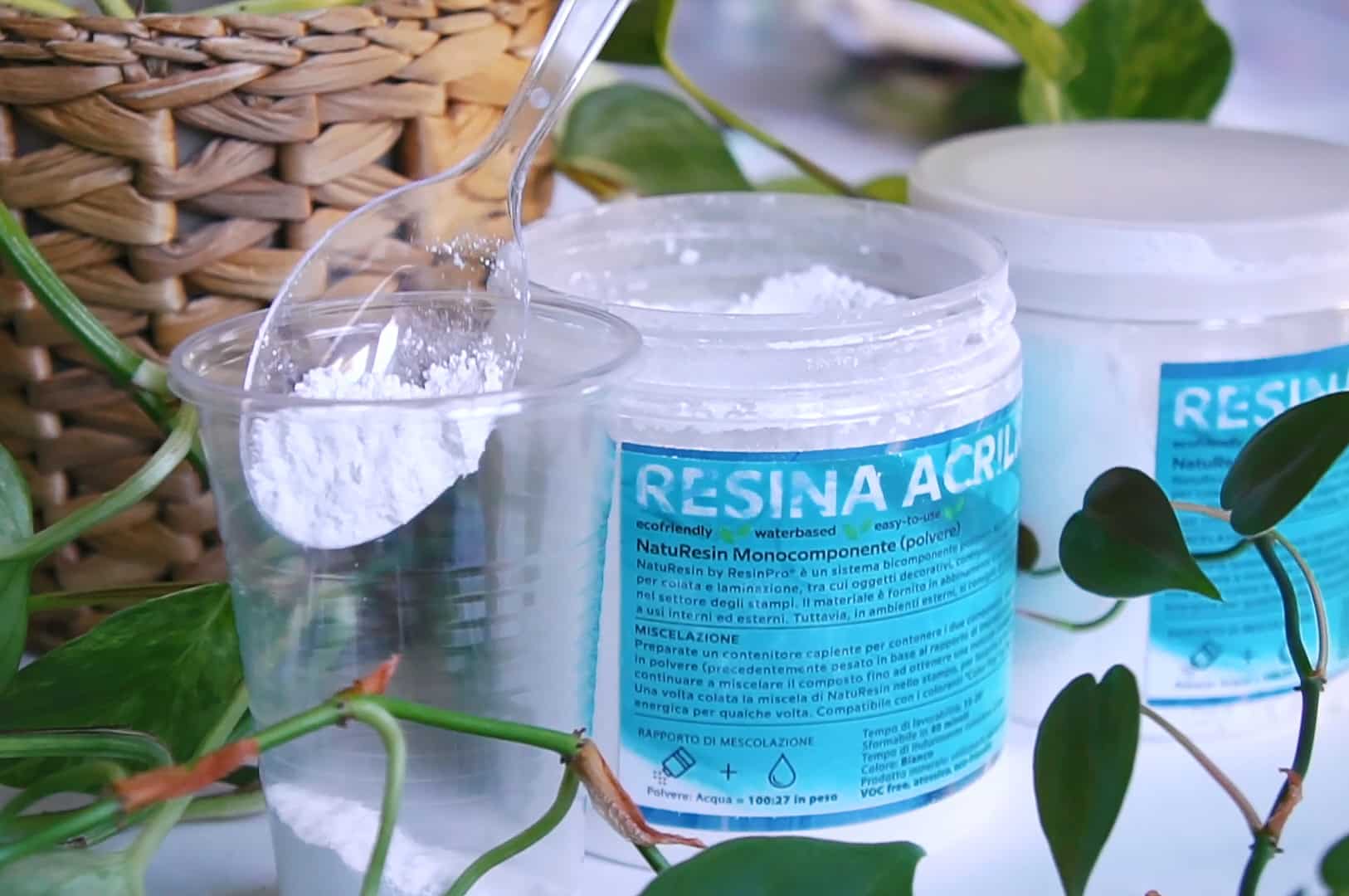
The “NatuResin” – Mineral Resin & Water System for Creative Casting and Crafts is an eco-friendly alternative designed for artists concerned about weight, safety, and environmental impact. This single-component mineral resin mixes simply with water, providing a ceramic-like hardness with less density than traditional solid epoxy. It is perfect for making lighter planters suitable for both indoor and outdoor use. NatuResin’s versatility and pigment customisation also allow for unique creative finishes, and the reduced weight can make larger, wearable, or mobile planter designs possible.
“Flower Tray” – Vase Silicone Mould 35cm
The “Flower Tray” – Vase Silicone Mould 35cm is a flexible, reusable mould designed for resin casting. While not a resin itself, this mould supports craft projects ranging from lightweight trays to medium-sized planter forms. The weight of your finished piece is dictated by the resin type and volume you use. Silicone moulds like this one ensure easy demoulding and consistent project size, so you can better predict the weight outcome across multiple creations.
“IWhite” – Polyurethane Casting Resin – White, Fast-Curing Two-Part System
The “IWhite” – Polyurethane Casting Resin – White, Fast-Curing Two-Part System is valued for its lightness and rapid curing. Resin planters or models cast with polyurethane are often lighter than those made with epoxy, thanks to this resin’s lower density and efficient curing process. “IWhite” is suitable for fine detailing, rapid batches, and crafts that benefit from a more manageable, lightweight finish. This makes it an excellent option for smaller decorative planters or intricate pieces where weight must be minimised.
Project Tips: Achieving Optimal Weight in Resin Planters
When designing resin planters, consider the end use—planters that need to be mobile or wall-mounted should be lighter, whereas free-standing decorative vases can tolerate more weight. Use minimal-resin techniques (such as hollow or double-wall castings) to decrease overall mass, and always choose the resin that best matches your handling and durability needs. If weight is a primary concern, opt for mineral-based or polyurethane casting systems and avoid overfilling large moulds.
Expert Insights: Resin Selection and Lightweight Planter Design
Choosing eco-friendly or water-based resins like NatuResin can reduce overall planter weight, while polyurethane systems are ideal for fine, intricate castings. Always assess your project requirements and test with small sample castings to ensure the weight is manageable for your intended display or planting use.
- "Vase" – Flower Vase Resin Art Kit with Mica Powder and Silicone Mould£41.95"Vase" – Flower Vase Resin Art Kit includes materials for creating flower-shaped resin vases or trays within the theme 'How much does a resin planter…
- “NatuResin” – Mineral Resin & Water System for Creative Casting and CraftsPrice range: £18.95 through £104.95NatuResin is a water-activated mineral resin designed for creative casting projects, offering a non-toxic and eco-friendly option suitable for indoor…
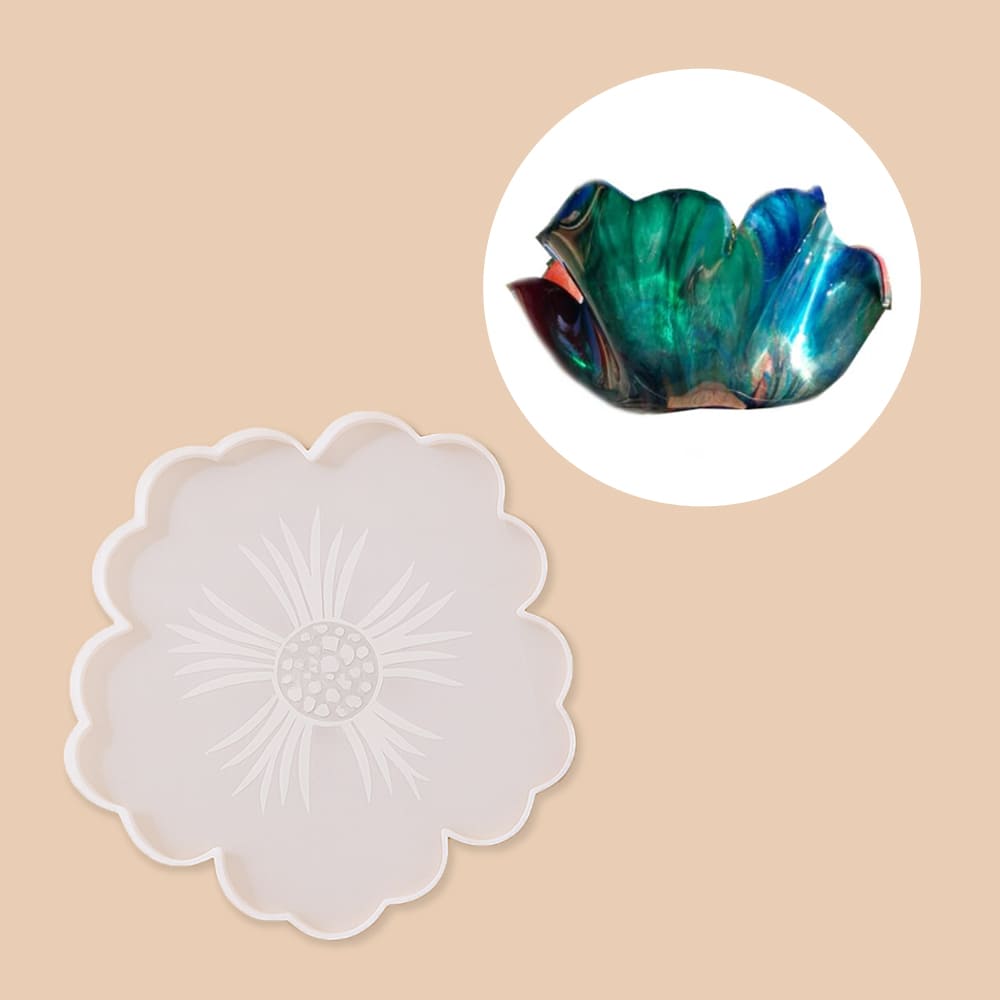 "Flower Tray" – Vase Silicone Mould 35cmOriginal price was: £9.95.£8.85Current price is: £8.85.Silicone mould designed for resin coasters and decorative items, suitable for home or office decor.
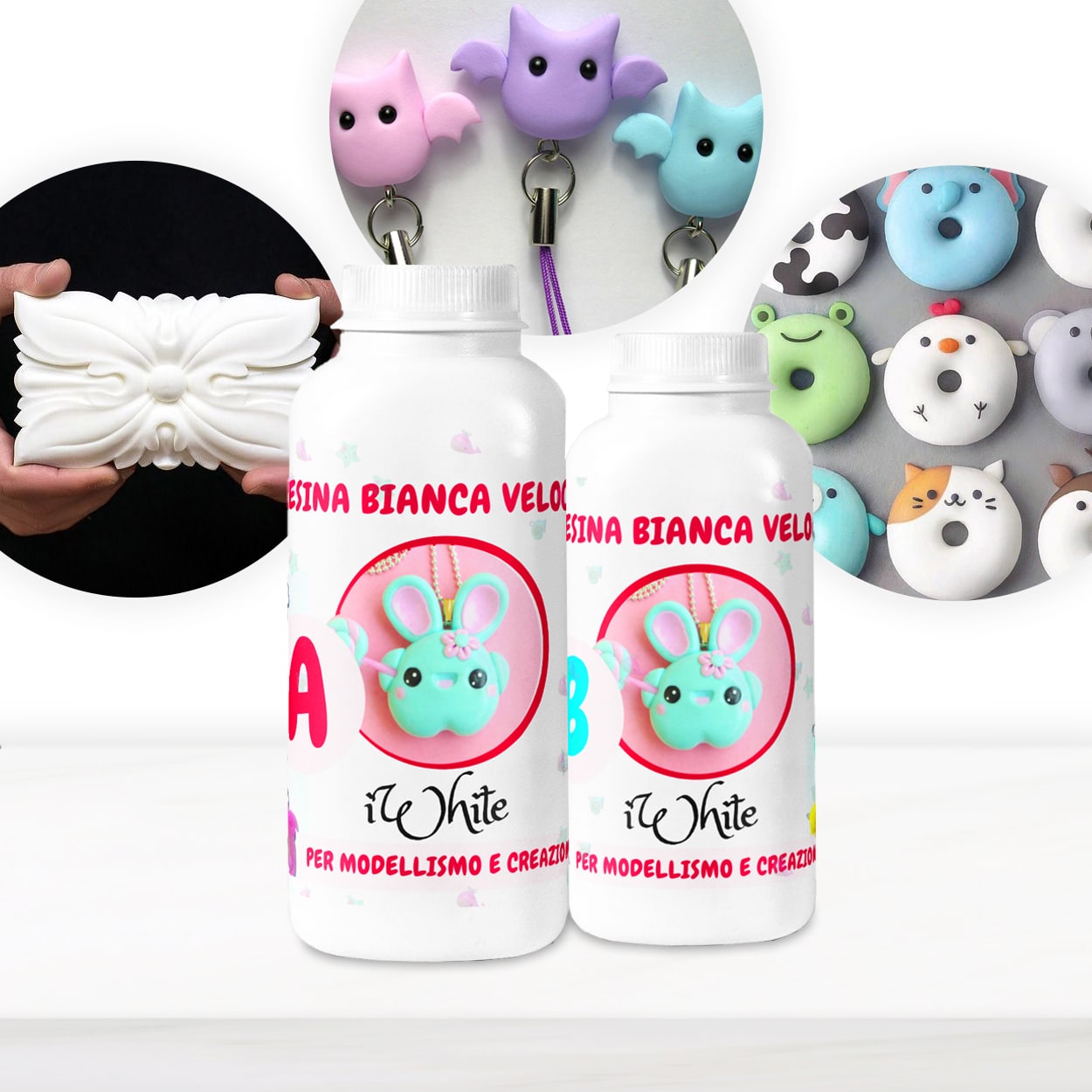 “IWhite” – Polyurethane Casting Resin – White, Fast-Curing Two-Part SystemPrice range: £24.00 through £36.95IWHITE is a fast-curing, highly fluid polyurethane resin designed for precise casting and rapid prototyping in modelling and crafting.
Frequently Asked Questions
What factors influence resin planter weight?
Material density, mould volume, and design thickness all directly affect how heavy your resin planter will be.
How does planters’ weight compare between epoxy, polyurethane, and mineral resins?
Epoxy is typically heaviest, mineral resins offer a ceramic-like but lighter body, and polyurethane yields the lightest casts.
How can I make a lighter resin planter?
Use hollow-casting techniques or choose mineral and polyurethane resins to minimise overall mass compared to solid epoxy.
Which resins are best for lightweight outdoor planters?
Mineral resins like NatuResin are specifically designed for outdoor and indoor use, offering lighter weight and water-resistance.
Do mould shape and resin type both impact planter weight?
Yes, both the mould's design and the resin’s density combine to set the final weight of your finished planter.
Should indoor planters be lighter than outdoor planters?
Generally, indoor planters benefit from being lighter for ease of handling, while outdoor ones can use heavier resin types for stability.