 Free shipping on orders over £29,85
  Shipping Tracking!


 Google
 Facebook
How long does resin take to dry?
Understand resin cure times for crafts, jewellery, and modelling.
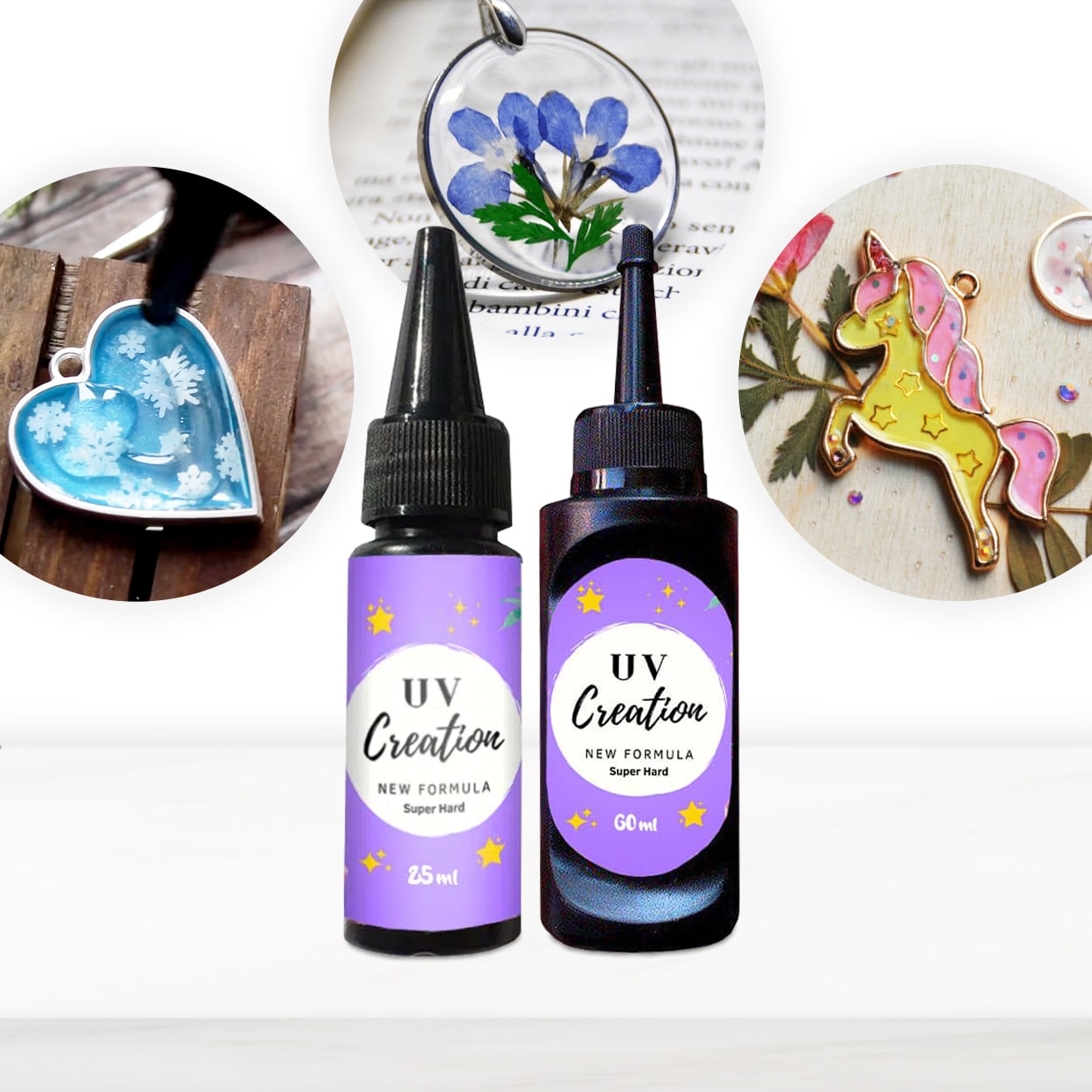
If you’re a jewellery maker, crafter, artist or model enthusiast, understanding how long resin takes to dry is crucial to planning your projects and achieving flawless results. This guide explores the curing and drying times of the most popular resin types — UV, epoxy, and polyurethane — with practical advice for rapid-drying solutions specifically tailored for quick-turnaround creative work, decorative art, or professional prototyping.
Overview: Comparing Resin Drying and Curing Times
The time resin takes to dry, also known as the curing period, depends heavily on the type of resin, its formulation, thickness of the application, and curing method. UV resins are the quickest, hardening in mere minutes under a UV lamp or torch. Fast-acting epoxy and polyurethane resins offer significantly shorter curing and demoulding times than standard options, allowing creators to accelerate their process without sacrificing quality or clarity. Choosing the right resin ensures your artwork, models, or jewellery are ready when you need them — whether in minutes or a few hours.
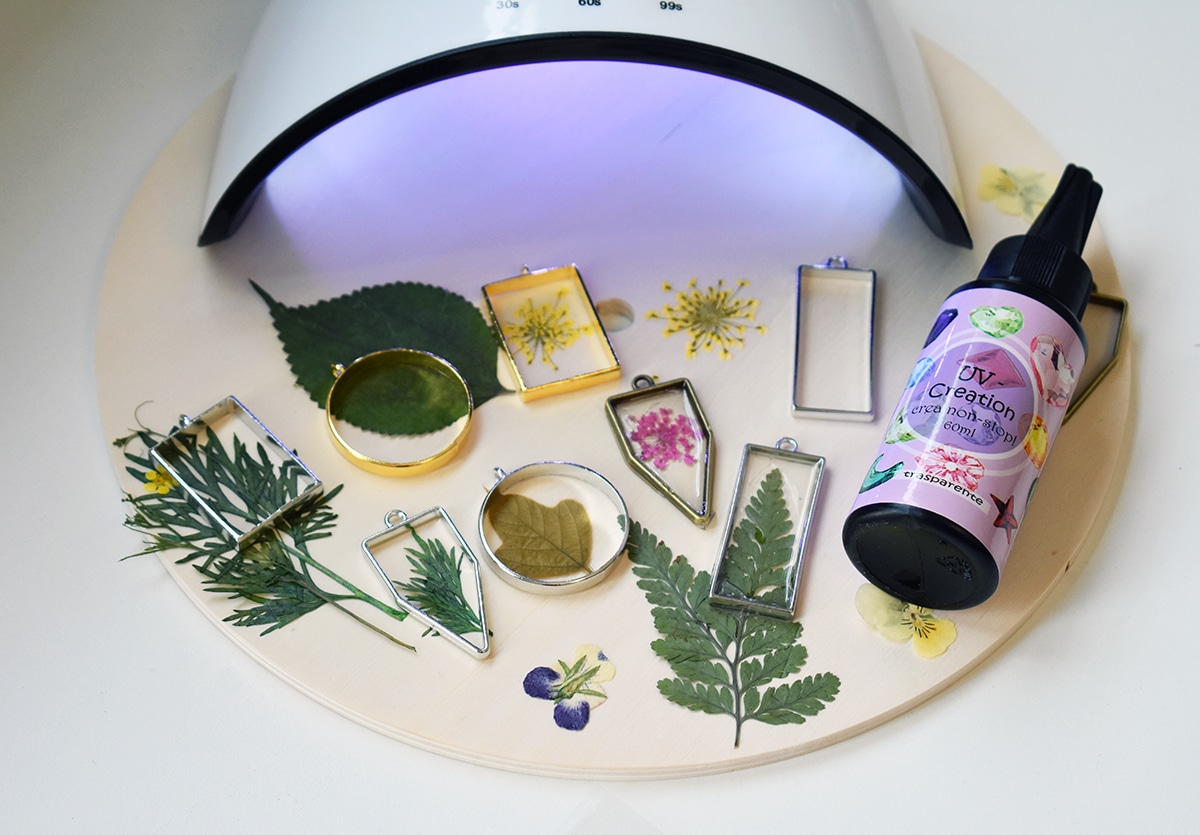
Visual Comparison: How Different Resins Cure
UV resins harden almost instantly under the right light, while epoxy and polyurethane types offer faster cure options than standard blends. This comparison gives you a visual reference for how quickly each can be ready for handling, demoulding, or further decoration.
“UV–Creation” – Fast Acrylic Resin for Ultra-Quick Results
“UV–Creation” – Fast Acrylic Resin, 3 Minute UV Cure is a perfect choice if you need results virtually instantly. Instant curing in just 2–3 minutes under UV light makes this resin exceptionally popular among jewellery artists and DIY crafters. Its crystal clear and glossy finish ensures each piece looks professional while its one-component system means you can skip the hassle of precise mixing and wasted material. If you require a vegan-friendly, safe, and non-yellowing solution for rapid projects, this product answers all your needs — but do note it only works when UV light is available.
“Fairy Wings” – UV Resin for Volumetric Reliefs and Fine Detailing
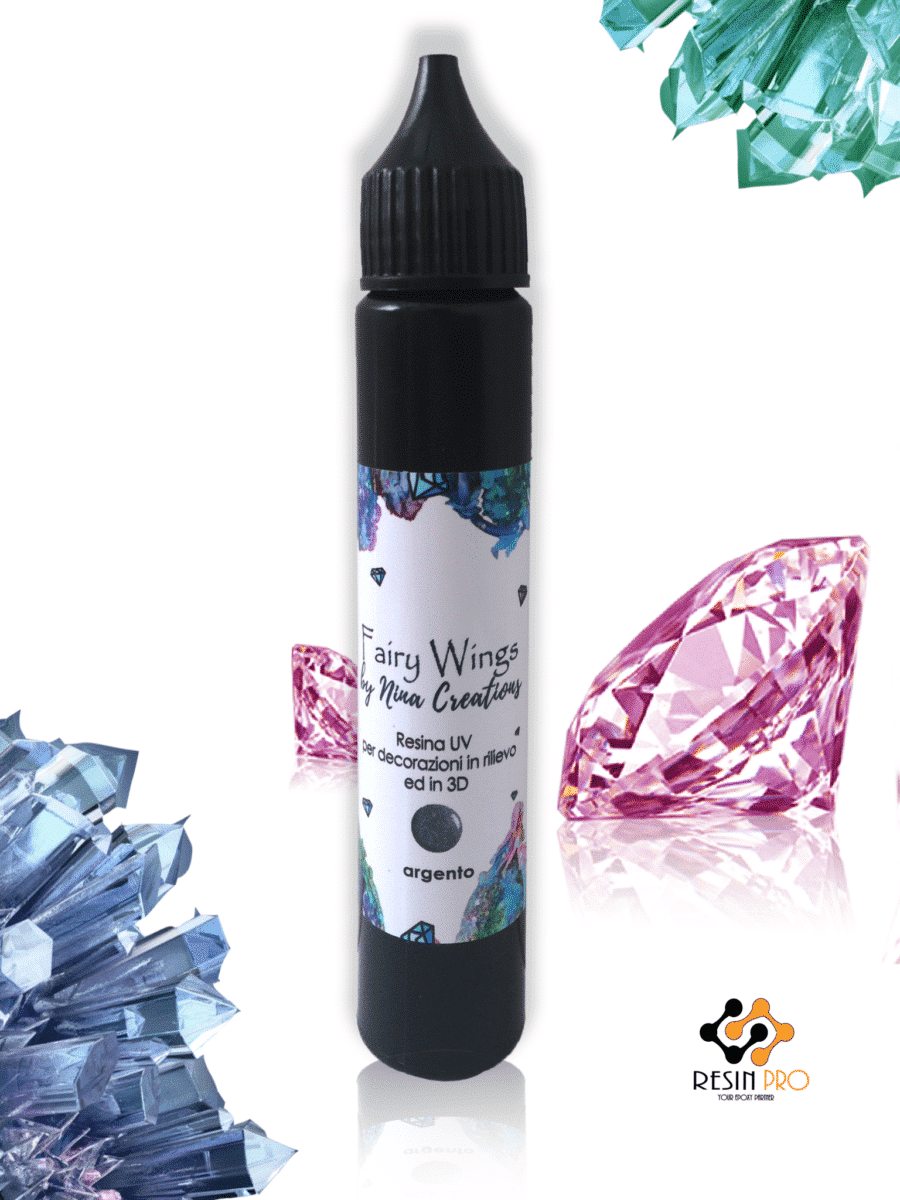
For artists focused on intricate raised designs, “Fairy Wings” – UV Resin for Volumetric Reliefs, Dual Colour, 30ml is a ready-to-use solution curing in 3-5 minutes with a UV lamp. It is formulated for use on polymer clay and similar surfaces, excelling in the creation of dual-colour, volumetric, or 3D patterns. Its thin-layer application maximises detail and clarity — ideal for those seeking creative flexibility without long wait times. It is best used in layers of about 3mm to guarantee even, fast curing behaviour.
“ICreation” – Fast Epoxy Resin for Rapid Demoulding
For those who prefer traditional two-part resins but still want a quick turnaround, “ICreation” – Fast Epoxy Resin, 6h Demoulding, Transparent Gloss Finish stands out with its 6-hour demoulding time and full cure in just 12 hours. Perfect for decorative crafts and jewellery-making, it gives a crystal-clear, glossy, and self-levelling finish with added UV protection to keep pieces from yellowing. The straightforward easy 2:1 mixing ratio also sets you up for success, making it a go-to resin for efficiency-minded creators who don’t have the patience to wait days for their results.
“Polyform” – Polyurethane Casting Resin for Rapid Prototypes
Polyform – Polyurethane Casting Resin – Beige is engineered for model makers and professionals who need robust results without delay. With fast setting: sets in about 5 minutes and can be demoulded after just 30 minutes, it’s well-suited for rapid prototyping, small batch production, and complex mould work. High fluidity: allows it to flow easily into fine detail, while its non-toxic:, durable: nature post-cure makes it safe and dependable for regular use. This resin is not designed to be coloured, so it’s best for projects where the natural beige finish fits the objective.
Tips for Faster Drying, Surface Prep, and Choosing Resin Types
To optimise resin drying times, always apply in thin layers as instructed for your chosen product, maintain the workspace within the recommended temperature range, and use UV light or fast-setting resin types for accelerated results. Avoid humidity and ensure accurate mixing ratios especially with two-part systems. Selecting the right resin not only improves drying times but also enhances clarity, strength and ease of use for your specific project — whether you are working on jewellery, crafts, or highly detailed models.
Expert Insights: Making Resin Work Faster
Apply thin layers, use a warm, dry environment, and select the fastest-curing formulation that suits your project scale and detail level. Always consult product instructions for optimal results and safety.
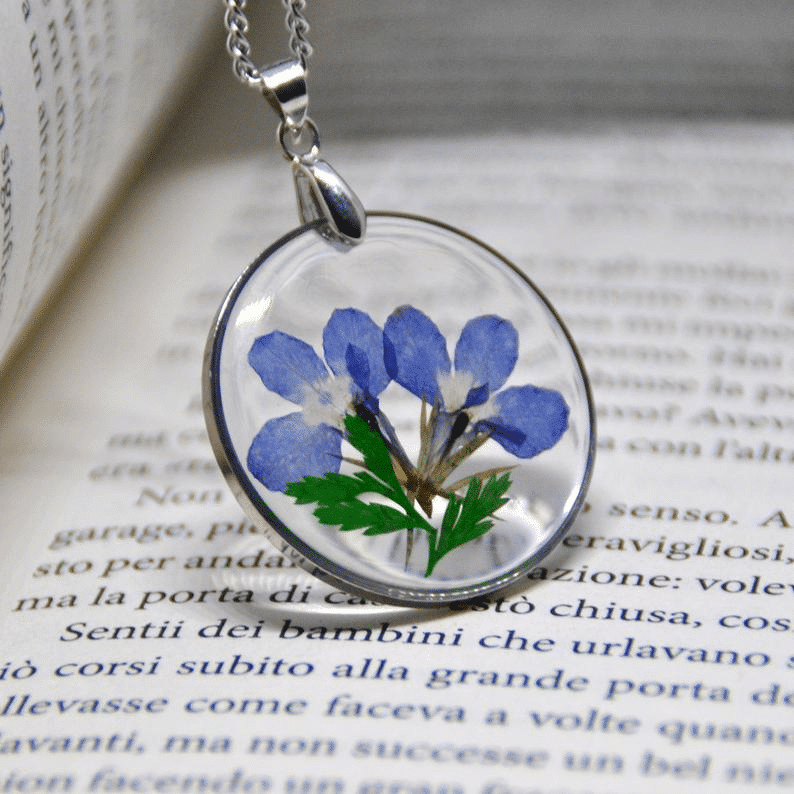
- "UV–Creation" – Fast Acrylic Resin, 3 Minute UV CurePrice range: £8.45 through £62.95"UV–Creation" is a fast-curing UV acrylic resin suited for jewellery making and crafts needing quick results under UV light.
- "Fairy Wings" – UV Resin for Volumetric Reliefs, Dual Colour, 30mlOriginal price was: £15.15.£2.85Current price is: £2.85."Fairy Wings" UV Resin is a ready-to-use gel suitable for detailed 3D patterns. It cures quickly under UV light, fitting the theme 'How long does…
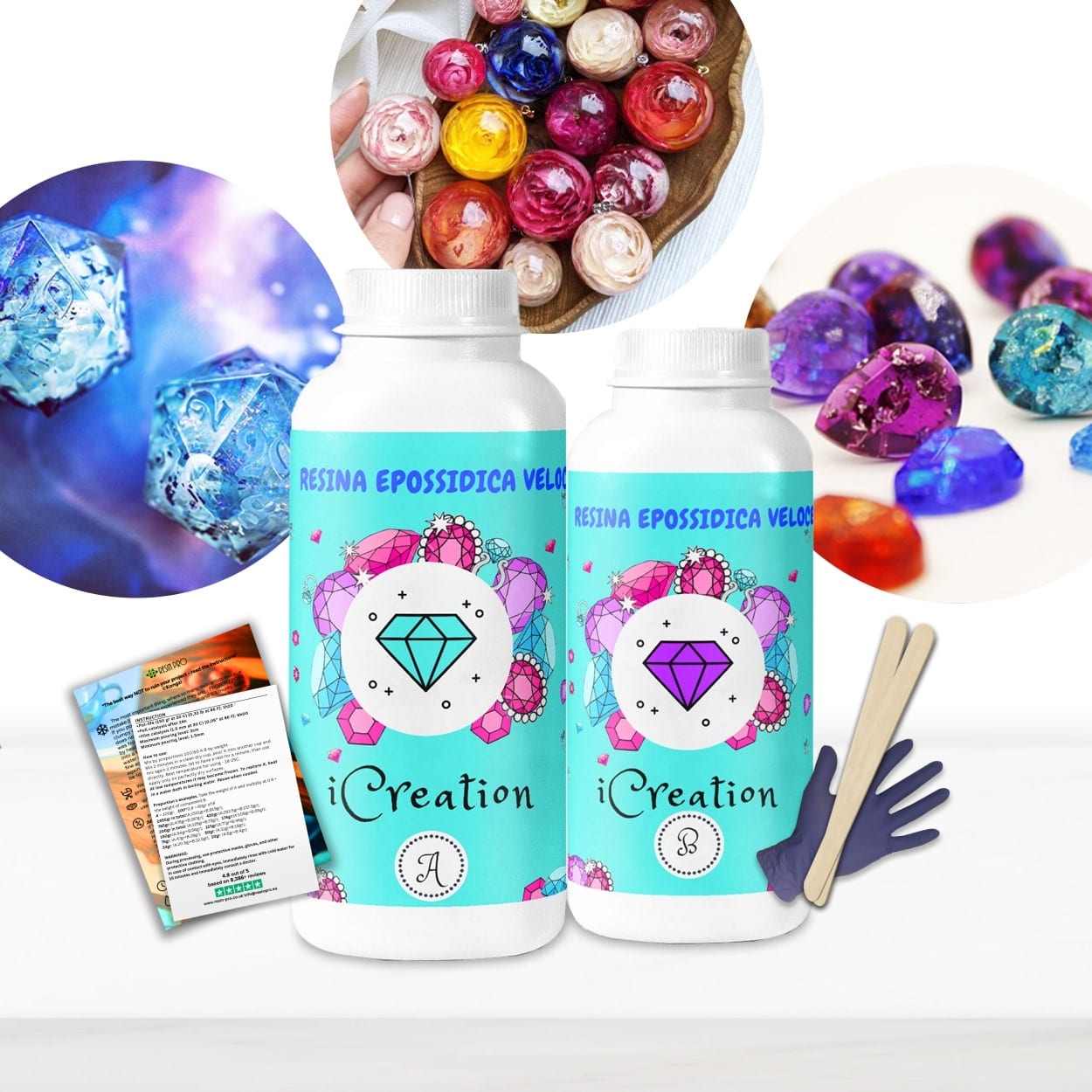 "ICreation" – Fast Epoxy Resin, 6h Demoulding, Transparent Gloss FinishPrice range: £15.95 through £55.95Fast epoxy resin offering a 6-hour demoulding time and clear glossy finish, suitable for jewellery and decorative crafts.
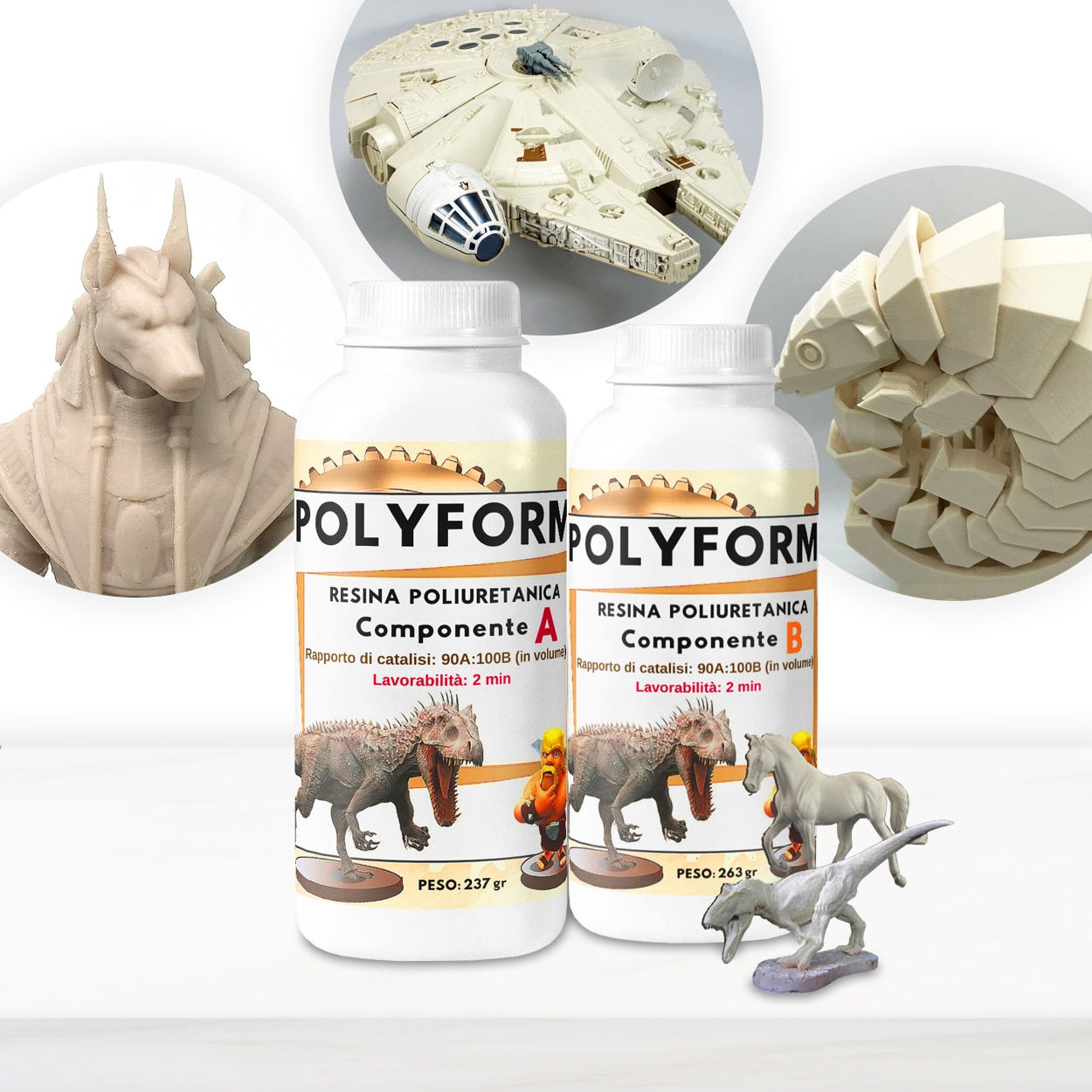 “Polyform” – Polyurethane Casting Resin, Beige, Fast-Setting for PrototypingPrice range: £15.95 through £141.95Polyform polyurethane casting resin offers fast setting and reliable detail for prototyping and small batch production.
Frequently Asked Questions
How fast can UV resin fully dry?
UV resin typically cures in 2 to 5 minutes under a suitable UV lamp, depending on resin thickness and lamp strength.
Can I make epoxy resin dry even faster?
Using a fast-curing formula like ICreation resin and keeping the room warm can help speed up drying, but always follow manufacturer guidance.
Is resin faster to dry in thin or thick layers?
Resin always cures more quickly and evenly in thin layers. Thick pours may require multiple applications to cure efficiently.
When is polyurethane resin ready to demould?
Polyform sets in about 5 minutes and can be demoulded after 30 minutes, though full strength is reached after several hours.
Which type of resin cures the fastest?
UV resin cures the fastest under UV light, followed by fast-setting polyurethane, with quick-epoxy resins not far behind.
How do temperature and humidity affect resin curing?
High humidity or low temperatures can slow cure times and affect clarity. Always work within the recommended range on the product label.
When is it safe to handle resin after curing?
Once cured as per product instructions, resin is safe and non-toxic to handle. Handling too early may damage the surface.