 Free shipping on orders over £29,85
  Shipping Tracking!


 Google
 Facebook
← Back to Epoxy resin: which applications should be avoided?
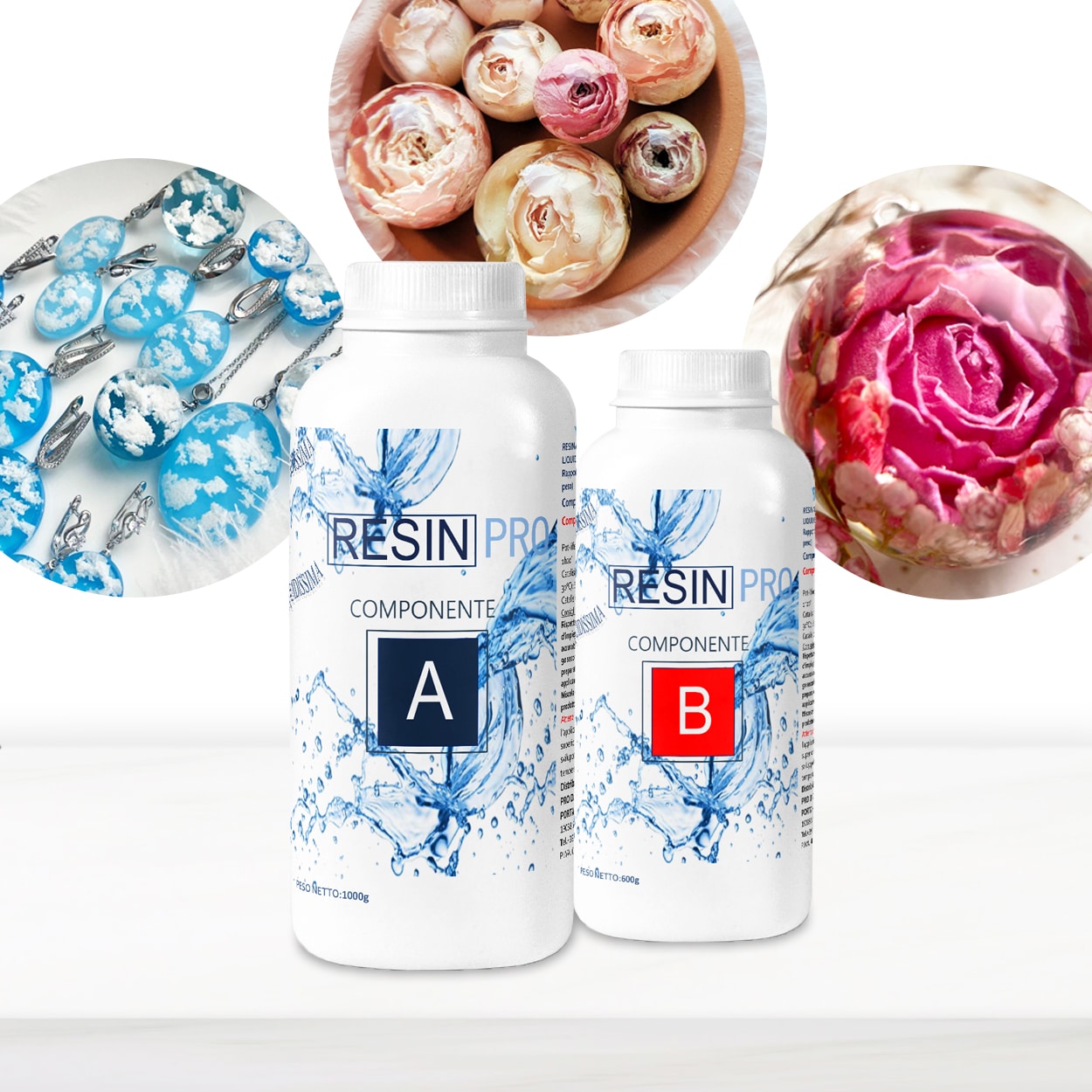

Planning a thick casting project? Not every epoxy resin can handle deep layers without problems. Selecting the right resin ensures your results are clear, stable, and reliable.
Why Standard Epoxy Isn’t Suitable for Thick Castings
Many general-purpose epoxy resins are formulated for thin applications and can’t withstand the heat generated during thick pours. Using resins not designed for deep casting often leads to overheating, cracking, or cloudy finishes. The chemical reaction in a thick layer produces more heat and can set too quickly, making the project unpredictable.


Choosing an Epoxy Resin for Thick Pours
For thick or deep casting projects, it’s crucial to pick resins specifically engineered for that purpose. Deep pour or casting resins are developed to allow slower curing, minimising the risk of bubbles, heat cracks, and warping. Always check the manufacturer’s recommended maximum pour depth. For example, while Liquidissima is excellent for fine detail in casts up to 1 cm thick, you’ll need different casting resins for greater depths.
Tips for a Successful Thick Casting
- Work in a temperature-controlled space to slow the curing process.
- Pour in several layers if your resin isn’t certified for a single deep pour.
- Allow each layer to mostly set before adding the next, reducing heat build-up and bubble formation.
- Check product guidelines: not all resins handle thick pours the same way.

Related products
Related guides
Choosing the right epoxy resin is key for thick castings—using the wrong type can lead to frustration and wasted materials. For more on what to avoid and how to get the best from your resin projects, see our main guide, Epoxy resin: which applications should be avoided?.