 Free shipping on orders over £29,85
  Shipping Tracking!


 Google
 Facebook
Is it normal to smell resin while wearing a mask?
Understanding resin odours, filters, and protective mask options


Working safely with resin is crucial, and many people wonder if it is usual to detect resin odours even when wearing a mask. This page is for anyone involved in resin crafts, artwork, or professional use who wants reliable guidance on respiratory protection and choosing the right mask and filters to minimise resin fumes.
Overview: Mask Types, Filtration, and Resin Odours
Smelling resin while wearing a mask can happen for several reasons, and the type of mask you use makes a significant difference. Masks range from disposable dust masks, which provide basic protection, to certified respirators with specialised filters designed to limit exposure to harmful gases and vapours. Choosing the correct mask and frequently replacing filters can help reduce resin smells and increase your safety during projects.
Certified respirator masks, such as those equipped with ABEK filters, are designed to filter both organic gases and certain vapours encountered in resin work. In contrast, disposable dust masks offer only simple dust reduction and are not intended for defence against fumes. Understanding these differences is essential for safe resin handling and for managing what you smell during use.

See the Difference: Resin Mask Protection Explained
Not all masks stop chemical smells—compare construction, fit, and filter ratings to understand which options truly shield you when working with resin, and which are intended solely for dust.
For best practice, always select a mask and filter certified for organic vapour protection when handling epoxy, polyurethane, or similar resins that emit fumes.
“Climax” Mask with “ABEK” Filters for Resins – Certified Protective Respirator
The “Climax” Mask with “ABEK” Filters for Resins – Certified Protective Respirator is a dedicated solution for resin crafters, artists, and professionals who prioritise protection from potentially hazardous fumes. This mask features an airtight, comfortable fit from flexible black rubber, with an advanced exhalation valve to ease breathing during lengthy projects. The included ABEK filters specifically target a variety of organic and inorganic gases, providing a shield against the vapours generated while working with resin, including epoxies and polyurethanes.
Importantly, while this mask is engineered to minimise the inhalation of resin fumes, a slight odour may still be noticeable, especially if filters are nearing the end of their effective lifespan or the mask is not sealed firmly to the face. Regular filter replacement and correct fitting are essential to maintain optimal protection.
“Abek Climax” – Mask Filters for 755/756/732-A1 – Epoxy Resin Use, Set of 2
If you already own a compatible protective respirator, the “Abek Climax” – Mask Filters for 755/756/732-A1 – Epoxy Resin Use, Set of 2 offer essential filtration for organic gases released by epoxy, polyurethane, and polyester resins. Designed for use with mask models 755, 756, and 732-A1, these filters are crucial for anyone requiring sustained, effective respiratory defence during repeated use. Certified to Regulation 14387:2004+A1:2008, these filters not only tackle gaseous pollutants but also dust and mist that may arise during mixing or sanding.
As with any filter-based system, odour perception may increase as filters age or become clogged. Replace filters according to manufacturer guidance and project exposure to retain the highest degree of odour prevention and protection.
Dust Masks for Resins – Disposable Cup Masks for Light Dust Protection
For those performing minor resin work or sanding tasks, Dust Masks for Resins – Disposable Cup Masks for Light Dust Protection offer an accessible, basic barrier against non-toxic dust and particles. However, it is vital to note these disposable masks do not protect against resin vapours or chemical fumes. Users may still perceive resin odours when using these masks—they function solely as dust reducers, not as chemical fume respirators.
If your project risks involve fume exposure, especially from mixing or pouring resins, always choose a certified respirator mask over disposable dust masks for peace of mind and safety.
How to Get the Most from Your Mask and Filters
Certified protection against resin vapours begins with using the right mask and filters for your specific project needs. Ensure the mask is fitted tightly to avoid gaps, and check for airtightness each time you wear it. Clean the mask regularly as per manufacturer instructions to preserve its seal.
Replace filters regularly for best results—old or saturated filters will be less effective against vapours and can lead to detecting more resin smell. Always match your filter type to the chemicals present in your resin system. When in doubt, consult the safety data sheet of your resin for recommended respiratory protection, or explore our Protezione e Polizia category for guidance on best-fit products.
Expert Safety Tips for Resin Users
Check your mask fit and replace filters often. Even high-spec respirators must be correctly maintained to limit odours and exposure during resin sessions. Stay attentive to signs the mask is no longer sealing tightly or if you notice stronger smells—it’s time for a check-up or filter change.

- "Climax" Mask with "ABEK" Filters for Resins – Certified Protective RespiratorOriginal price was: £41.95.£31.45Current price is: £31.45."Climax" mask with ABEK filters designed for protection during resin work, offering a comfortable and reliable fit.
- "Abek Climax" – Mask Filters for 755/756/732-A1 – Epoxy Resin Use, Set of 2£16.45Set of 2 mask filters designed for epoxy resin use, suitable for specific mask models and offering filtration against organic gases.
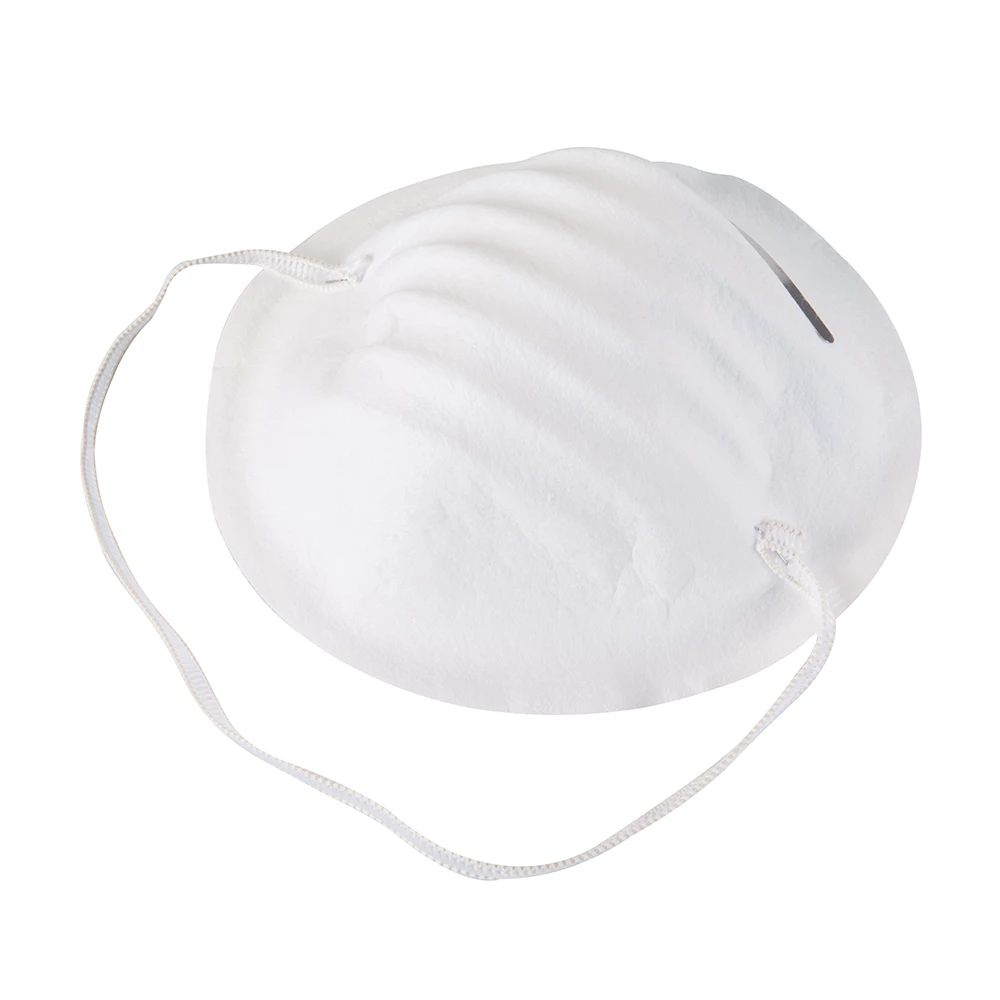 Dust Masks for Resins – Disposable Cup Masks for Light Dust ProtectionPrice range: £4.45 through £21.45Dust Masks for Resins are disposable cup masks suitable for light dust protection during resin work, consistent with a theme about mask use and resin…
Frequently Asked Questions
Why do I still smell resin while wearing a mask?
A slight smell can occur with most masks, especially if the seal is imperfect or filters are old. Strong odours may indicate the need for a new filter or mask adjustment.
Which mask is best for resin fumes?
A certified respirator mask with ABEK filters offers maximum protection against resin vapours. Disposable dust masks are insufficient for fumes.
How often should I replace my mask filters when working with resin?
Replace filters as soon as odours increase or per manufacturer guidance. Frequent, heavy use means you should change filters more regularly.
Do all masks block resin odours?
No, only masks with appropriate vapour filters are designed to reduce resin odours. Dust masks only filter particles, not fumes.
Can I use a dust mask for resin crafting?
Dust masks are acceptable for sanding or non-toxic dust, but not for chemical vapours. Use a respirator mask for adequate fume protection.
What is an ABEK filter, and do I need one?
ABEK filters are designed for organic gases and vapours common in resin work. They're recommended for any project involving epoxy, polyurethane, or polyester.