 Free shipping on orders over £29,85
  Shipping Tracking!


 Google
 Facebook
Is resin or plastic more durable?
A practical comparison for long-lasting finishes and projects

Understanding the differences in durability between resin and plastic is crucial when planning your next furniture, coating, or surface project. This page is designed for makers, professional contractors, and DIYers deciding which material will offer better longevity and performance in demanding applications.
Resin vs Plastic: Durability Compared
Both resin and plastic have their place in modern construction, art, and industrial projects, but the key distinctions lie in performance characteristics. Epoxy and polyurethane resins are formulated to deliver structural integrity, resistance to impacts, and retain a glossy or matte finish for longer periods. In contrast, many plastics can degrade under UV exposure, become brittle over time, or lack the scratch resistance needed for high-traffic surfaces.
For applications such as coated tables, driveable surfaces, composite parts, or artistic castings, resin solutions often surpass standard plastics in resilience, especially under heat, UV, or mechanical stress. However, plastics remain a cost-effective choice for less demanding or mass-produced items where ultimate durability is not essential.

Visual Guide: Resin and Plastic in Demanding Environments
See how resins maintain structural integrity and finish compared to plastic alternatives when used in settings exposed to UV, abrasion, and temperature swings. These side-by-side visual examples highlight why specific resin products are often recommended for lasting durability and performance in both decorative and technical applications.
“Carbon Resin” – Epoxy Resin for Carbon Fiber & Fiberglass Coating
If you work with carbon fibre or fibreglass materials, “Carbon Resin” – Epoxy Resin for Carbon Fiber & Fiberglass Coating is engineered specifically for projects needing perfect impregnation and structural integrity. With high impact resistance and room temperature curing, it excels in advanced composite projects where standard plastics might crack, warp, or lose mechanical strength over time. This makes it a preferred option for everything from technical assemblies to bespoke crafts seeking a glossy, professional finish.
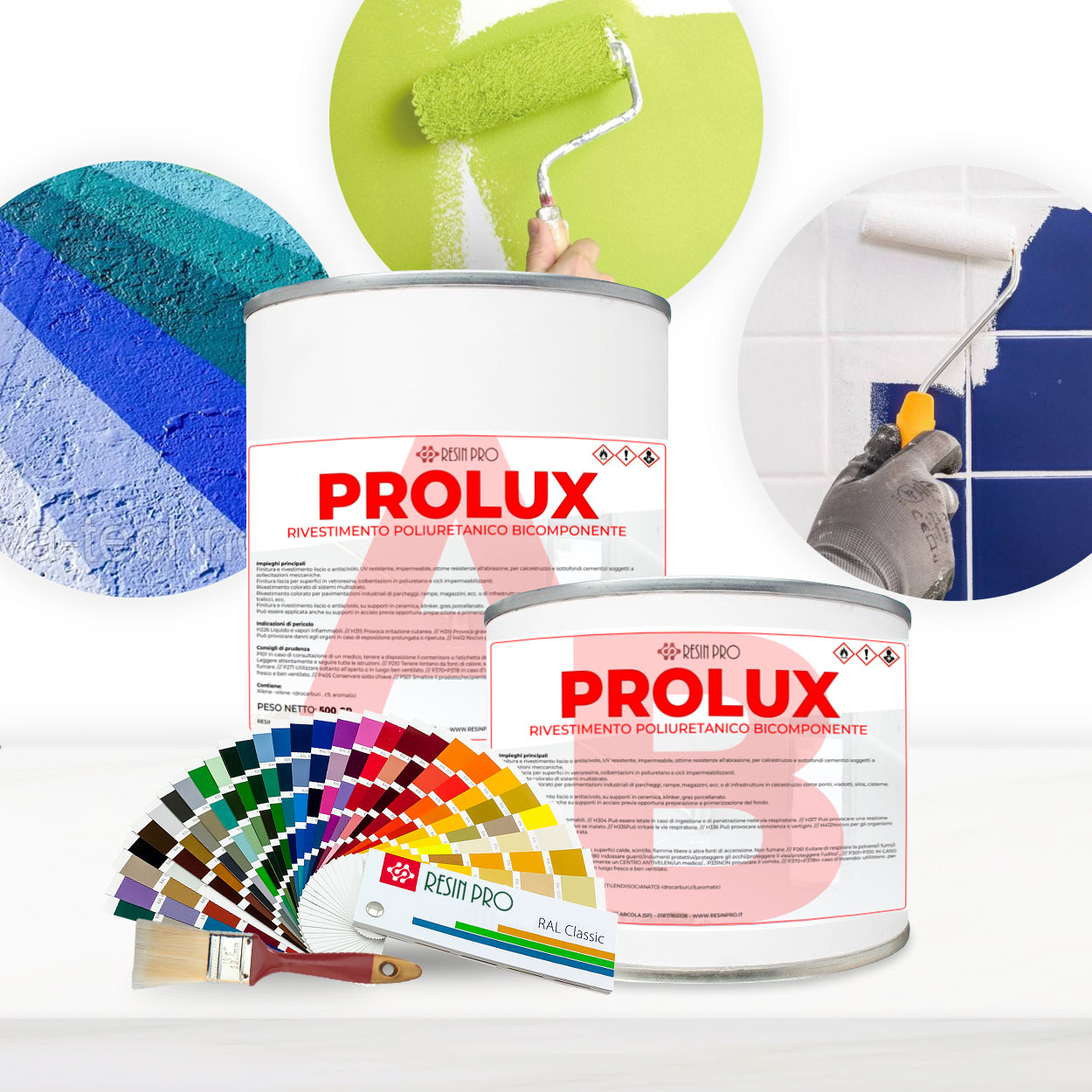
“Prolux” – PU coating for tiles, concrete, plastic and metal – suitable for driveable surfaces
When extreme toughness against abrasion, weather, and chemical exposure is required, “Prolux” – PU coating for tiles, concrete, plastic and metal – suitable for driveable surfaces provides advanced protection. Unlike many basic plastic finishes, its two-component polyurethane formula resists UV, yellowing, and heavy foot or vehicle traffic. This versatile product performs on concrete, ceramic, fibreglass, and even prepared steel, where traditional plastics would wear down rapidly in outdoor or industrial settings.
“Epoxytable 10-Ten” – Deep Pour Epoxy Resin for Tables, Up to 10cm Casting
For deep-pour applications such as river tables or large artistic creations, “Epoxytable 10-Ten” – Deep Pour Epoxy Resin for Tables, Up to 10cm Casting stands out. Its heat resistance (up to 70°C), low viscosity for bubble-free pours, and robust UV filters address the biggest weaknesses of typical plastics—overheating, discolouration, and surface defects over time. This resin ensures your creative or functional projects maintain their clarity, depth, and mechanical durability for years.
“EpoxyTable 5-Five” – Deep Pour Epoxy Resin for Tables and Large Projects – Up to 5cm
Ideal for projects requiring castings up to 5cm thick, “EpoxyTable 5-Five” – Deep Pour Epoxy Resin for Tables and Large Projects – Up to 5cm offers a scratchproof, stable surface less likely to warp or yellow compared to many plastics. Perfect for medium to large furniture, it can handle both aesthetic and functional demands, outlasting standard plastic alternatives in terms of clarity and resistance to daily wear.
Choosing the Right Material for Your Project
Selecting between resin and plastic depends on factors like required strength, exposure to sunlight, moisture, temperature changes, and the desired finish. Use resin for heavy-duty surfaces, areas in direct sunlight, or any application demanding impact and scratch resistance. For less critical installations where cost and speed trump longevity, plastic might suffice. Always consider a resin solution for projects demanding lasting quality and professional results.
Top Tips for Maximising Durability
Always prepare your surface carefully—clean, dry, and ideally primed—to ensure resins adhere properly and reach their full performance potential. Consider UV exposure and temperature changes for outdoor or high-traffic projects, choosing formulations with built-in resistance such as “Epoxytable 10-Ten” or “Prolux” PU coating. For deep pours, allow sufficient curing time and work in suitable conditions to avoid bubbles and imperfections.

- "Carbon Resin" – Epoxy Resin for Carbon Fiber & Fiberglass CoatingPrice range: £19.95 through £37.95Epoxy resin designed for carbon fibre and fibreglass projects offering impregnation without bubbles and a glossy finish.
- "Prolux" – PU coating for tiles, concrete, plastic and metal – suitable for driveable surfacesPrice range: £44.85 through £494.85"Prolux" is a versatile polyurethane coating designed for durable finishes on tiles, concrete, plastic and metal surfaces.
 “Epoxytable 10-Ten” – Deep Pour Epoxy Resin for Tables, Up to 10cm CastingPrice range: £35.95 through £351.95“Epoxytable 10-Ten” is designed for deep pouring projects such as tables, suitable for castings up to 10cm with UV resistance and heat tolerance.
 "EpoxyTable 5-Five" – Deep Pour Epoxy Resin for Tables and Large Projects – Up to 5cmPrice range: £17.95 through £1,154.95"EpoxyTable 5-Five" is designed for deep pouring projects, offering a bubble-free, scratch-resistant finish suited for tables and large crafts.
Frequently Asked Questions
What makes resin more durable than plastic for some applications?
Resin products are often formulated to resist UV, heat, and impacts better than many standard plastics, maintaining appearance and structure for longer in demanding settings.
In which types of projects should I choose resin over plastic?
Choose resin for tables, driveable surfaces, art castings, or any high-traffic or outdoor area where durability, impact resistance and UV protection are required.
How long will epoxy resin continue to perform after curing?
Properly applied and cured epoxy resin can maintain structural integrity and clarity for 5 years or more, depending on environmental exposure.
Is it possible to apply resin coatings over plastics?
Yes, specific resin products, especially PU coatings like Prolux, can be applied on plastics, provided the surface is well-prepared and primed.
Are resin finishes more scratch resistant than plastics?
Many epoxy resins offer superior scratch resistance compared to standard plastics, making them ideal for surfaces subject to frequent use.
Which product is suitable for deep pour applications over 5cm?
Epoxytable 10-Ten is formulated for deep pours up to 10cm without overheating, ideal for large castings and artistic projects.
Are resin coatings resistant to outdoor weathering?
PU and epoxy resin coatings like Prolux and Carbon Resin are developed to withstand UV, rain, and temperature changes, making them suitable for exterior applications.