 Free shipping on orders over £29,85
  Shipping Tracking!


 Google
 Facebook
How to apply metal inserts in epoxy resin?
A practical guide to embedding metal parts cleanly and securely

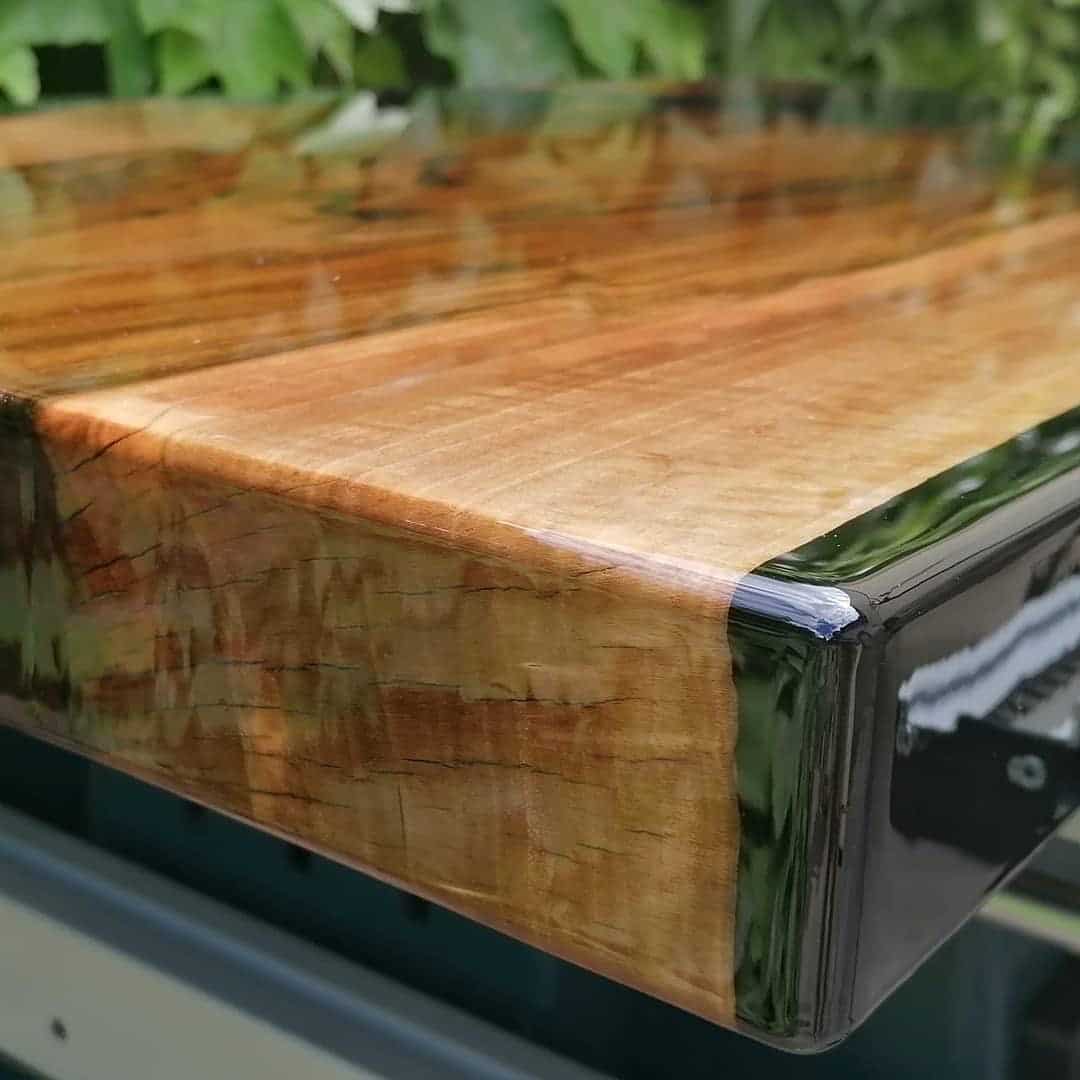
Embedding metal inserts in epoxy resin enables you to create unique tables, furniture pieces, jewellery, and creative artworks with both decorative and functional elements. This guide walks you through the essential steps for securing metal parts within resin, ensuring a crystal-clear, durable, and professional-looking finish. Whether you are an artist, DIY enthusiast, or craftsman, following the right process can make all the difference to your results.
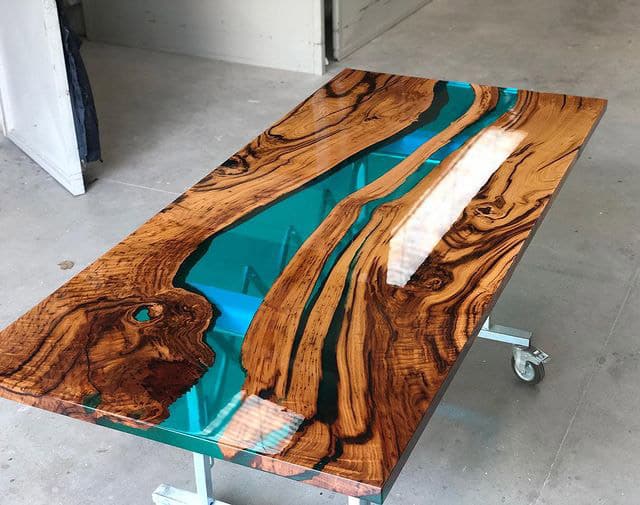
What You’ll Need
- “Epoxytable 10-Ten” – Deep Pour Epoxy Resin for Tables, Up to 10cm Casting – Best for large castings and deep pours
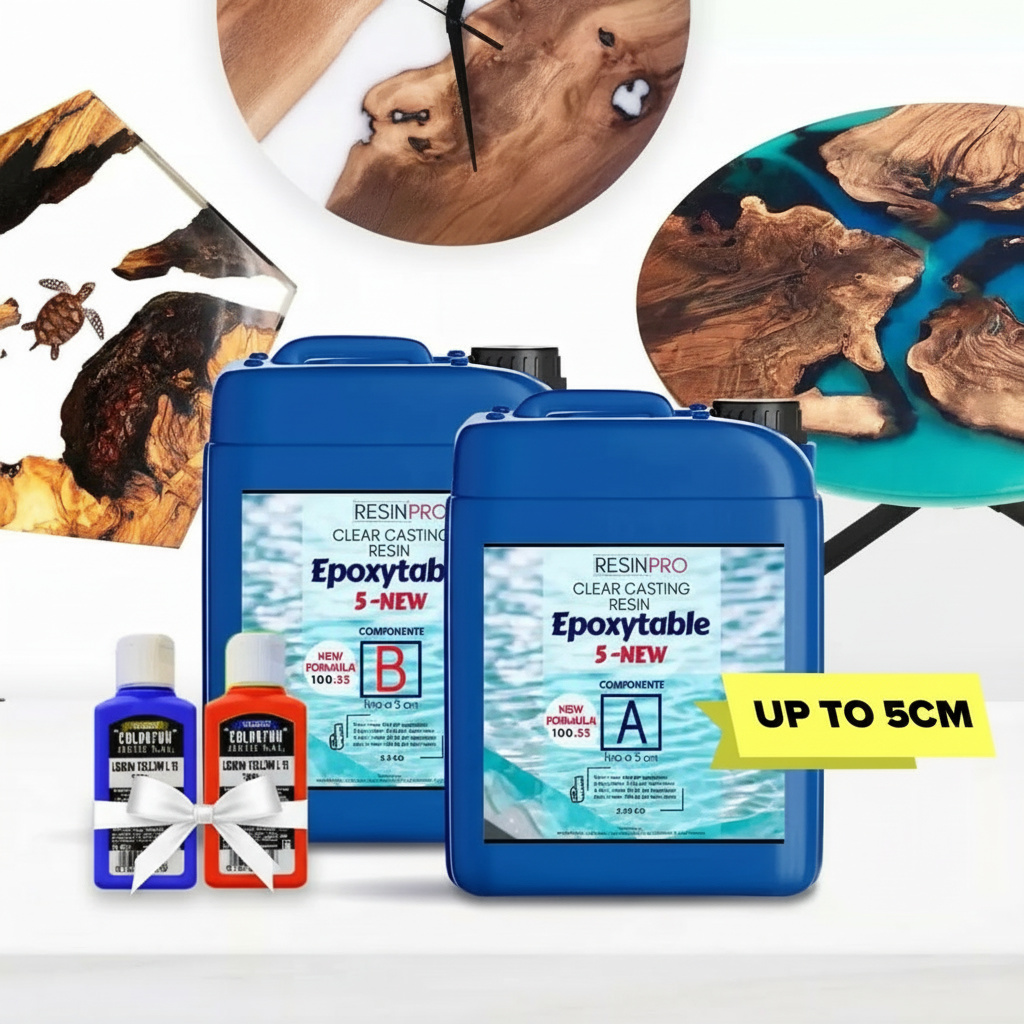
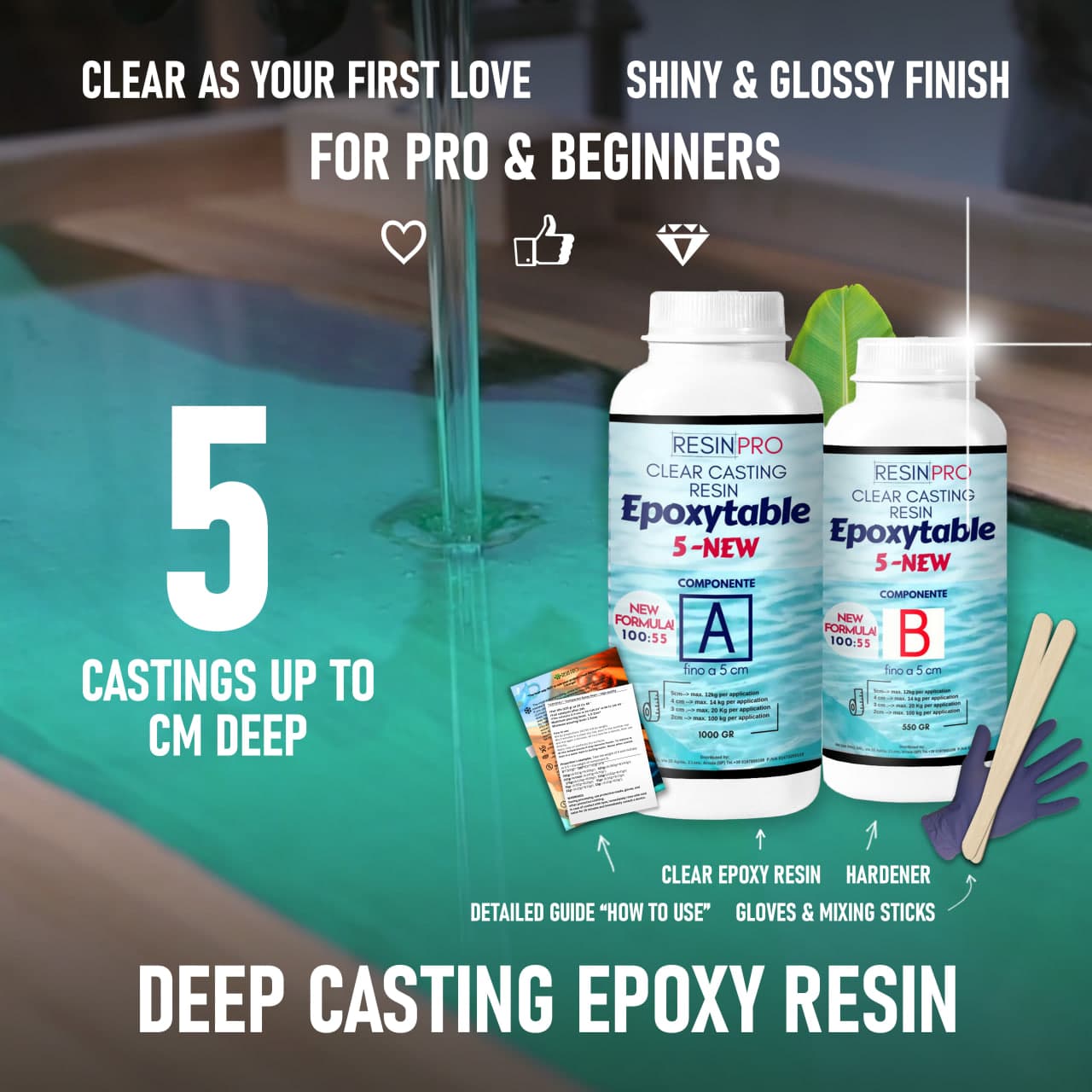
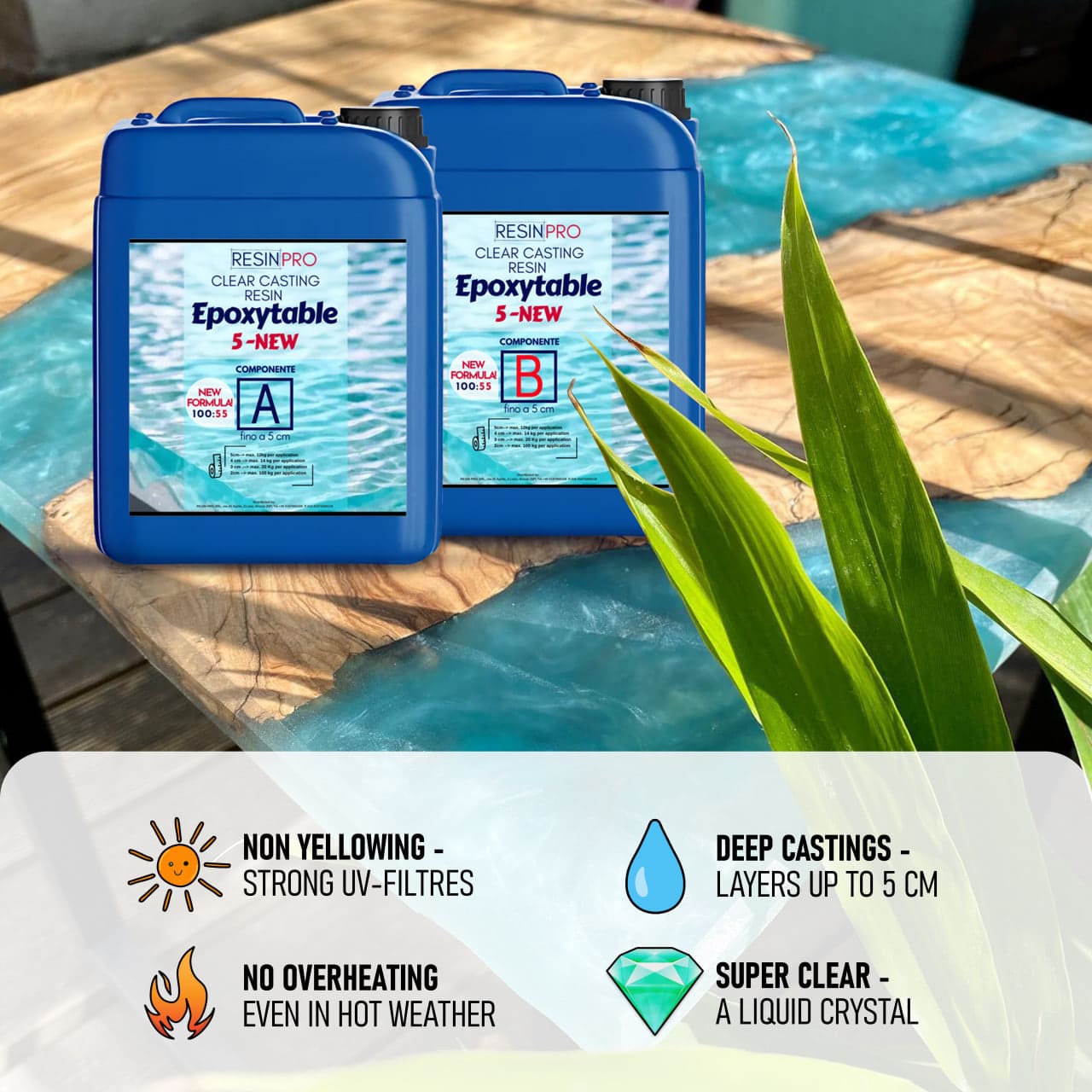
- “EpoxyTable 5-Five” – Deep Pour Epoxy Resin for Tables and Large Projects – Up to 5cm – Suitable for medium-depth projects
- “Trasparente” – Multipurpose Clear Epoxy Resin for Casting – Up to 2cm – Perfect for smaller items and detailed work
- “Liquidissima” – Epoxy Resin For Creations & Jewellery – Ideal for jewellery and intricate inserts
- Clean metal inserts (nuts, rods, logos, custom parts)
- Mixing sticks, accurate scale, gloves, and mixing containers
- Clamps or supports (for floating or heavy inserts)
- PPE: gloves, safety glasses, and working apron

Metal Inserts in Epoxy – Design Inspiration
See how metal inserts transform resin projects – Combining polished brass, copper, or stainless steel within clear epoxy resin creates eye-catching tables, plaques and jewellery with a modern or industrial feel. Well-placed metal parts can be both decorative and structurally functional, expanding your creative possibilities with resin.
Step 1: Plan Your Pour and Prepare Materials
Plan your design carefully so you know where your metal inserts need to be positioned. Clean and degrease all your metal parts, removing dust or grease, as any contaminants can affect bond strength and clarity in the finished resin. Organise your workspace and prepare your resin, tools, and moulds before starting.
The size and type of resin you select depends on your project: use “Epoxytable 10-Ten” for thick castings like river tables, EpoxyTable 5-Five for pieces up to 5cm, and opt for Liquidissima if doing fine jewellery work where bubble control is vital.
Step 2: Prepare and Seal Metal Inserts
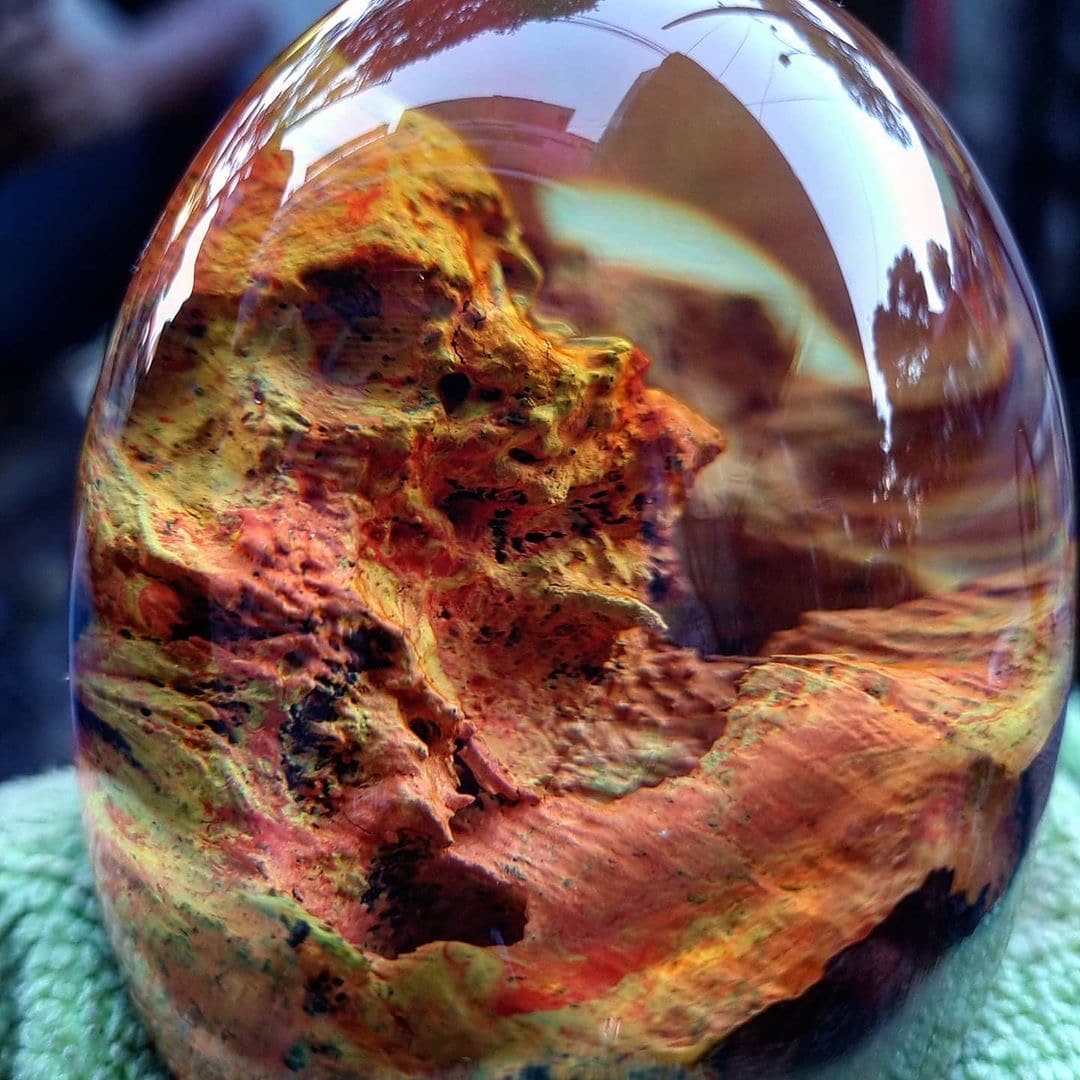
Check compatibility and prepare inserts. Sand or lightly abrade the surface of each metal insert to ensure the resin grips effectively when cured. After sanding, clean the pieces thoroughly with alcohol or acetone to remove residue and oils.
If your inserts are prone to corrosion, consider sealing them with a thin layer of clear lacquer before embedding them. This can help prevent long-term discolouration under the resin.
Step 3: Pour the First Resin Layer
Mix your resin thoroughly according to the manufacturer’s instructions. For deep projects, Epoxytable 10-Ten and EpoxyTable 5-Five are typically chosen due to their low-exothermic nature and clarity. Pour a thin ‘base layer’ of resin into your mould first, allowing bubbles to rise and be removed gently with a heat gun or by exhaling gently across the surface.
This foundational layer helps anchor your metal insert and prevents it from sinking or causing bubbles to form around the object.

Step 4: Position and Embed the Metal Insert
Layering ensures clarity and position. Once the base layer is tacky but not fully cured, gently place your metal insert onto the resin. Use supports or suspensions if you want the insert to ‘float’ rather than rest on the bottom. Positioning at the right time will minimise bubbles and prevent the insert from shifting.
For small or intricate designs, Liquidissima is highly effective due to its extended open time and ultra-clear result. If working on a piece where the metal must remain perfectly centred or level, double-check alignment before proceeding.
Step 5: Top Up the Resin and Cure
Mix and pour the next resin layer to fully encapsulate the insert, ensuring it is covered by at least a couple of millimetres of resin. If your project requires multiple layers (recommended for thickness greater than your resin’s max pour depth), allow each layer to reach the appropriate cure point (usually tacky) before pouring the next.
Work in multiple pours if needed for thick projects, especially with Epoxytable 10-Ten or EpoxyTable 5-Five to avoid overheating and undesired curing effects.

Tips and Common Mistakes
- Work in clean, dust-free conditions to prevent particles from embedding in your resin finish.
- If using intricate or very small metal inserts, Trasparente provides a very clear, scratch-resistant result for layers up to 2cm.
- Avoid rushing the process—allow each layer to cure to the proper degree before proceeding.
- Monitor exothermic heat, especially with larger castings. If unsure, conduct a small test pour first.
- Ensure your inserts are thoroughly dry and oil-free to avoid adhesion issues or bubbles.
Expert Tricks for Seamless Metal Embedding
Seal and secure your inserts for long-term performance – A clear sealant on metal stops corrosion and hazing. For larger inserts, temporary supports help maintain position during curing. Take your time with each pour to banish bubbles and preserve resin clarity round complex shapes.

- “Epoxytable 10-Ten” – Deep Pour Epoxy Resin for Tables, Up to 10cm CastingPrice range: £35.95 through £351.95Epoxy resin designed for creating tables with deep pours up to 10cm. Suitable for detailed projects needing low exothermic reaction and UV resistance.
- "EpoxyTable 5-Five" – Deep Pour Epoxy Resin for Tables and Large Projects – Up to 5cmPrice range: £17.95 through £1,154.95"EpoxyTable 5-Five" is designed for deep pour projects like tables and large castings with low viscosity and high scratch resistance.
 "Trasparente" – Multipurpose Clear Epoxy Resin for Casting – Up to 2cmPrice range: £8.95 through £397.95This clear epoxy resin suits detailed castings and table creation with up to 2cm layers, fitting the theme of metal insert application in resin.
 "Liquidissima" – Epoxy Resin For Creations & JewelleryPrice range: £12.85 through £31.85Liquidissima epoxy resin offers high transparency and long working time suited for detailed jewellery and creative projects.
Frequently Asked Questions
How thick should resin be for embedding metal inserts?
Ideally, resin should cover the insert by at least 2–3 mm. For larger projects, build up in layers using the recommended maximum thickness for your chosen resin.
How do I stop metal inserts from causing bubbles or cloudiness?
Always degrease and dry inserts before embedding. Pour slowly in layers to release trapped air and avoid clouding.
Which resin is best for embedding metal parts in deep tables?
For deep pours or thick tables, Epoxytable 10-Ten offers low exotherm and clear finish, supporting inserts effectively.
How can I keep metal inserts from sinking or shifting during pouring?
Allow the first resin layer to become tacky, then position inserts. For heavier pieces, use supports or suspend until partially cured.
Can I embed copper or other reactive metals directly in epoxy resin?
You can, but it's wise to seal reactive metals with a clear lacquer to prevent long-term discolouration.
Will adding metal inserts affect the curing process of my resin?
Generally, no, as long as you do not exceed the resin’s maximum pour thickness and properly prepare the inserts.