 Free shipping on orders over £29,85
  Shipping Tracking!


 Google
 Facebook
← Back to What are the characteristics of low-viscosity epoxy resin?

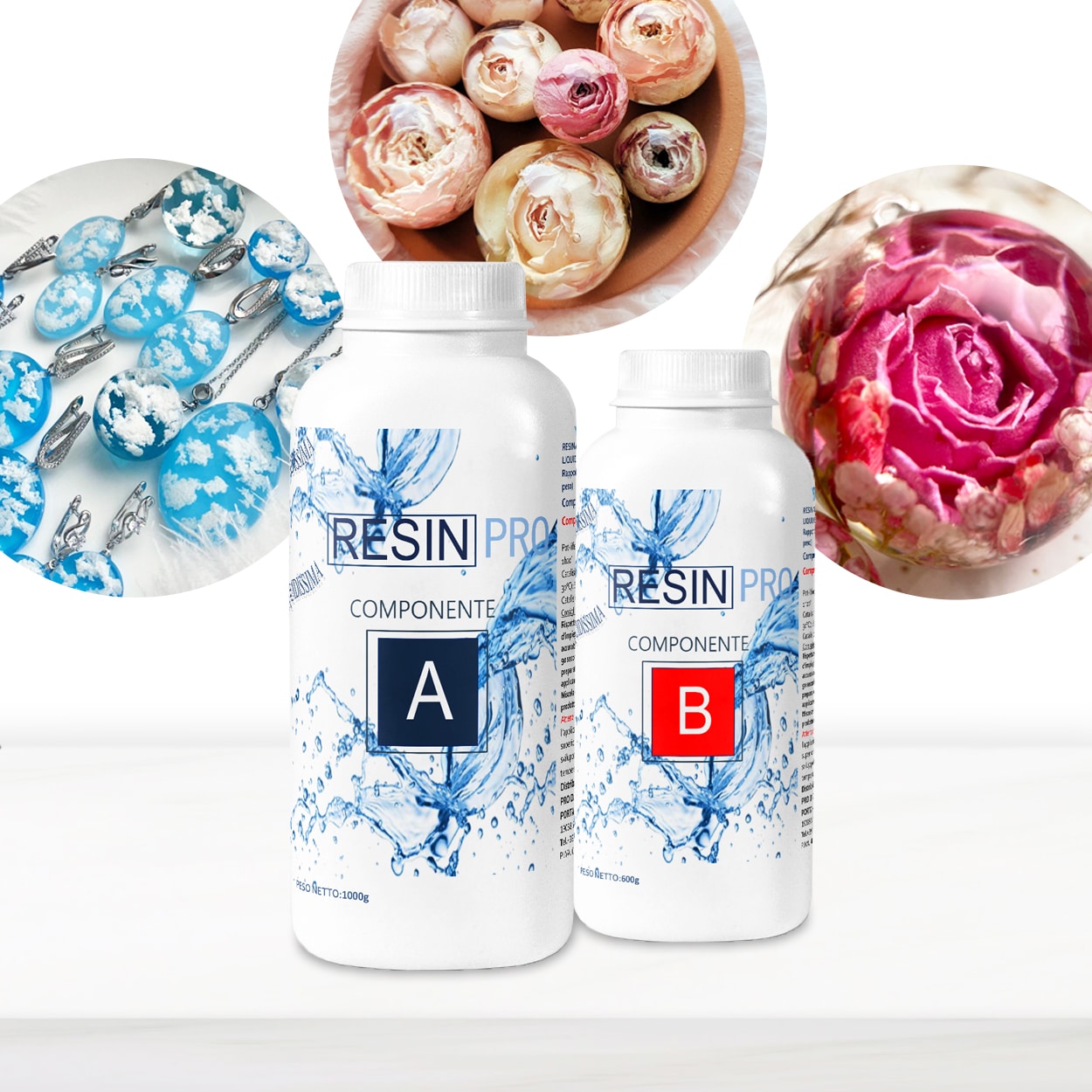
Understanding the thickness limits of low-viscosity epoxy resin is essential for successful casting or creative moulding projects. The correct product and pouring method ensure both clarity and stability in your finished piece.
How Thick Can You Pour Low-Viscosity Epoxy Resin?
Not all low-viscosity epoxies are designed for thick casting. Each product is formulated with particular depth limits in mind: exceeding these can lead to overheating or imperfect curing. For example, specialist deep-casting epoxies, such as Epoxytable 10-Ten, are suitable for layers up to 10cm, while others like “EpoxyTable 5-Five” are best for pours up to 5cm. Standard jewellery resins such as “Liquidissima” are generally limited to around 1cm per layer.
Choosing the Right Epoxy for Your Project
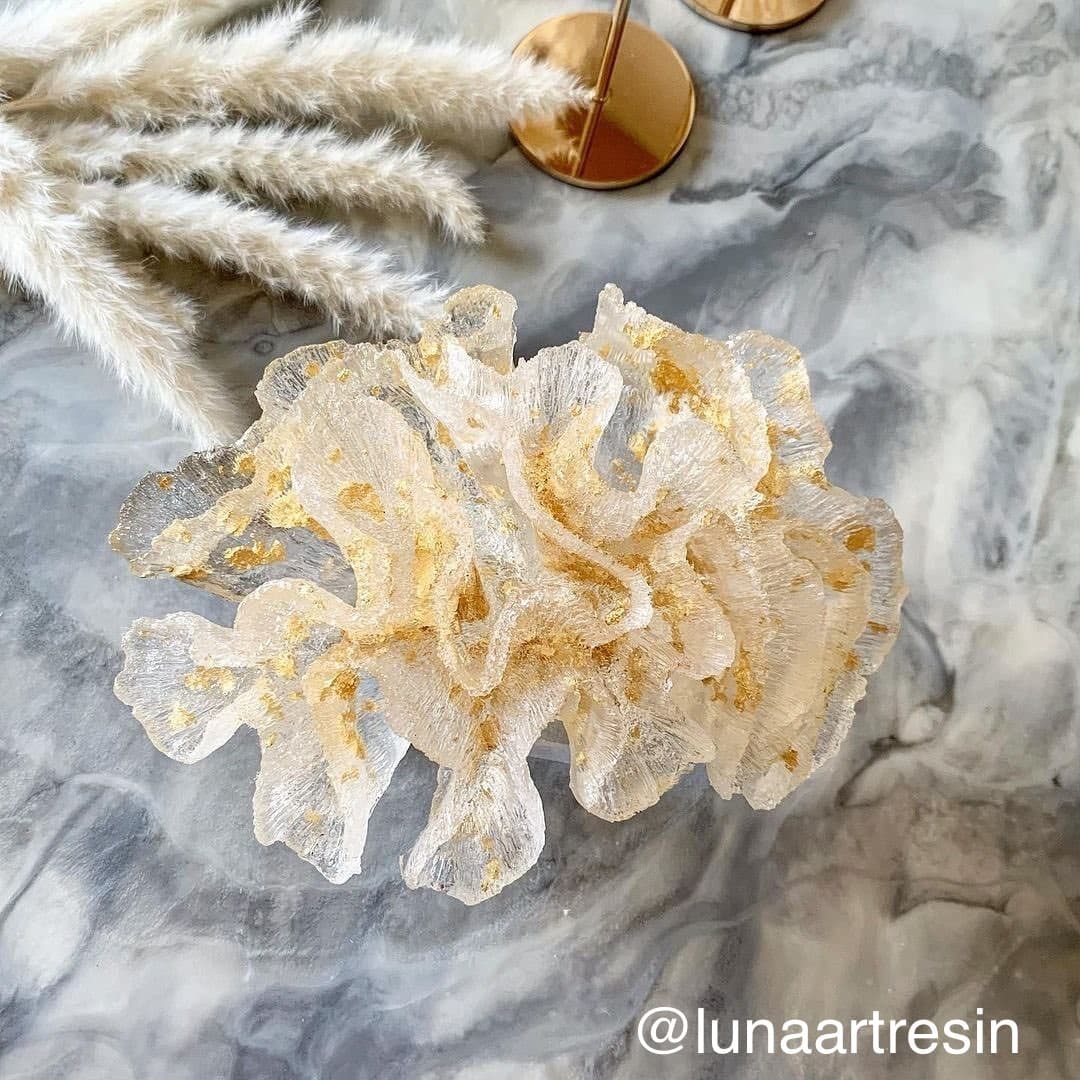
- If you’re making resin tables, river tables, or large decorative pieces, use a deep-pour product specifically engineered for thick layers.
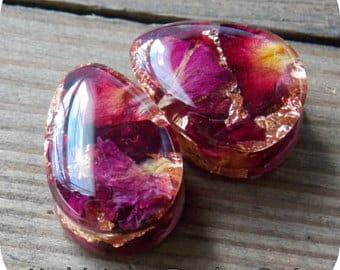
- Jewellery, coasters, and thin art pieces typically require a low-viscosity resin for layers up to 1cm, preventing excess heat build-up and ensuring clarity.
- Always refer to the manufacturer’s guidelines for the recommended casting depth, as going beyond this can affect the result and safety of your project.
When Thickness Limits Matter
Pay close attention to thickness recommendations when working with large volumes of resin. Pouring too thick at once can result in overheating, which affects curing and may compromise the material’s appearance or structural integrity. If you need thicker sections than your resin allows, consider pouring in multiple layers, with sufficient curing time between pours.
Related products
Related guides
Staying within recommended casting depths is key for achieving the best results with low-viscosity epoxy resins. For a closer look at their unique properties and applications, visit our guide on what makes low-viscosity epoxy resin special.