 Free shipping on orders over £29,85
  Shipping Tracking!


 Google
 Facebook
← Back to How to Prevent Cracks from Forming in Epoxy Resin?

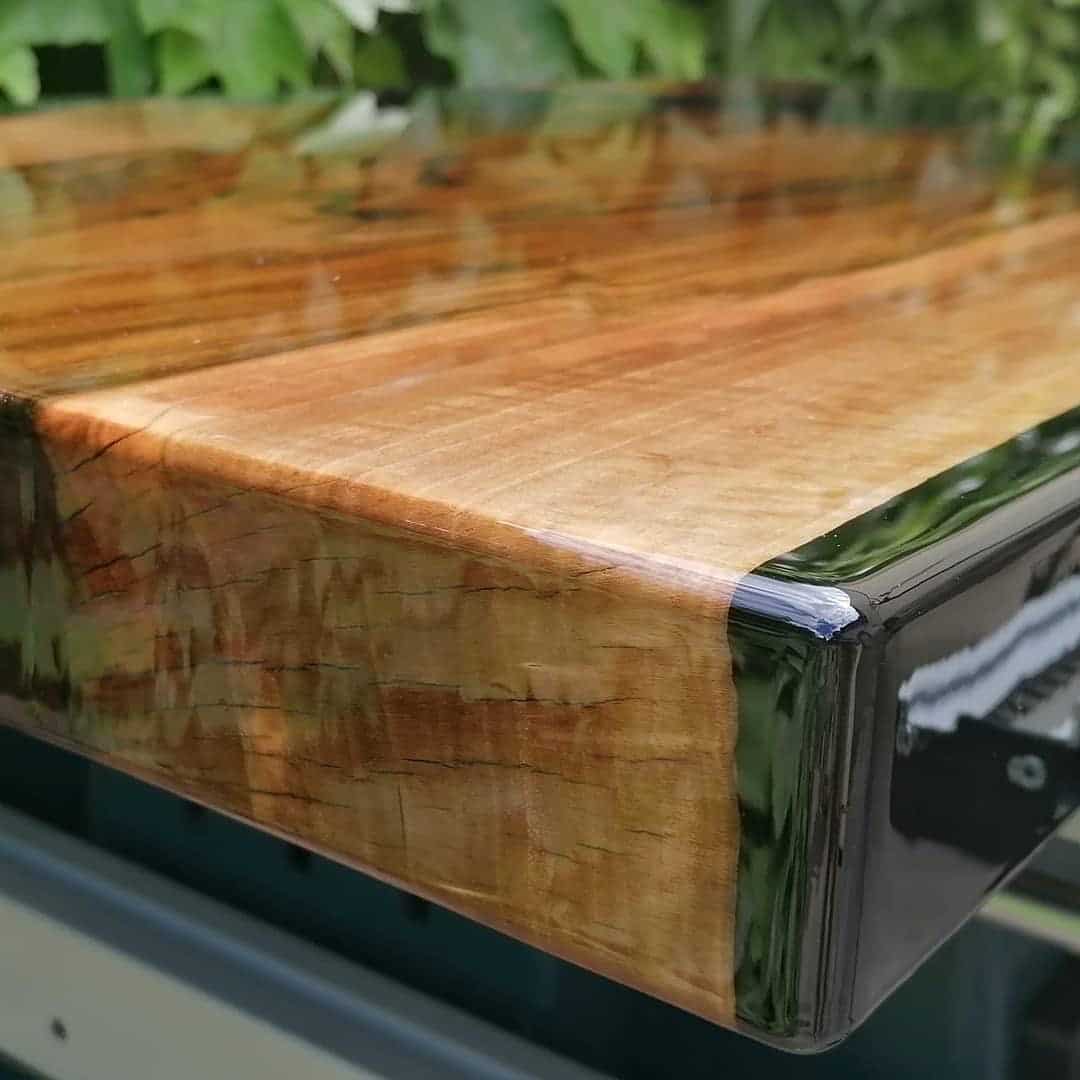
Cracks are a frequent frustration in epoxy resin projects, but understanding the typical causes can help you create strong and attractive results every time.
Common Causes of Cracking
Cracks in epoxy work most often occur due to rapid or uneven temperature changes during curing, the presence of moisture in the materials or base, and by pouring resin in layers that are too thick at once. These factors can create internal stress or affect the curing process, making the resin susceptible to breaking or separating as it hardens.


Techniques to Minimise Cracks
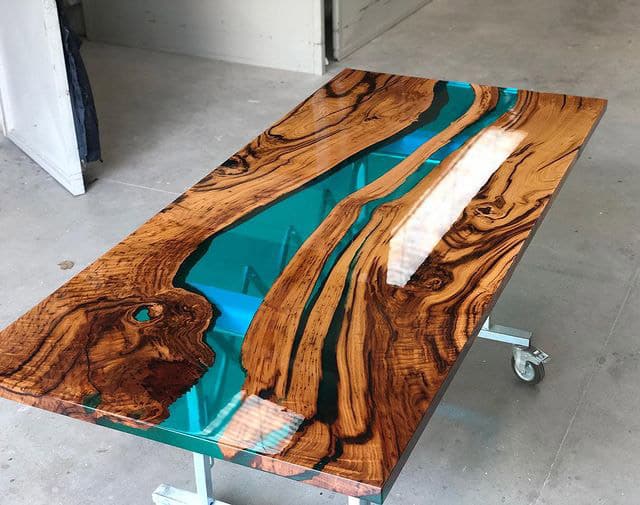
To avoid cracking, it’s essential to follow good preparation and pouring practices. Always ensure your base and materials are thoroughly dry; even a small amount of moisture can result in cracks. Pour resin in thinner layers and allow each to set before adding the next—this is particularly vital for projects requiring depth, such as river tables or thick coatings. Using the correct resin for your intended thickness helps manage heat build-up: for example, EpoxyTable 5-Five is suitable for castings up to 5cm, while EpoxyTable 10-Ten is formulated for even deeper pours without overheating.
When This Matters Most
Crack prevention is especially important in statement pieces like large tables, creative tabletops, or any artistic casting where appearance and integrity count. Investing time in preparation and choosing the right product for your project depth will ensure a beautiful and lasting finish.
Related products
Related guides
Learning why cracks develop is the first step towards perfecting your epoxy resin projects. For further tips and to prevent future problems, visit our main guide on how to prevent cracks from forming in epoxy resin.