 Free shipping on orders over £29,85
  Shipping Tracking!


 Google
 Facebook
How to Prevent Cracks from Forming in Epoxy Resin?
Expert steps for flawless, crack-free epoxy resin finishes every time.

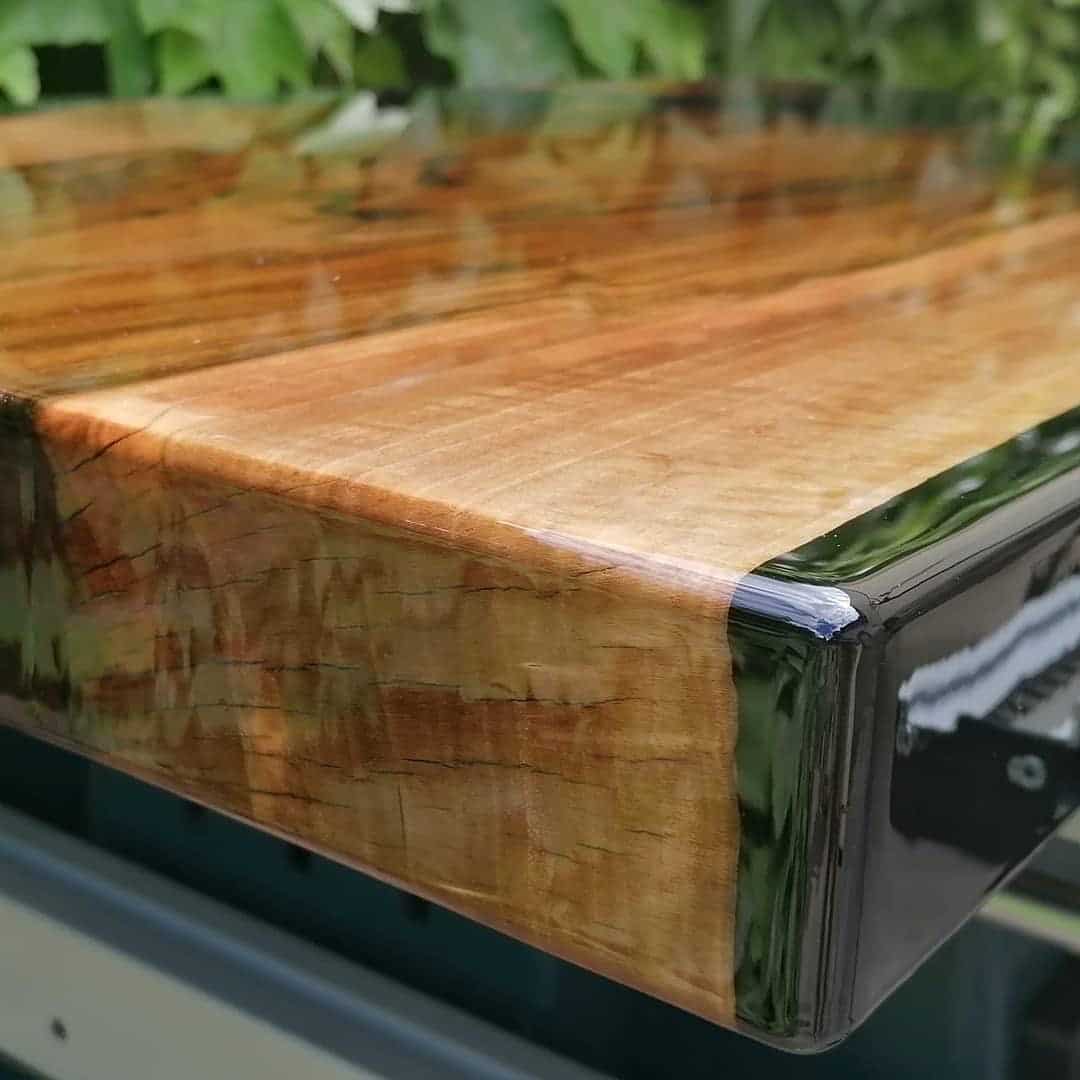
Epoxy resin delivers a stunning, glass-like finish for everything from river tables to artistic décor. Yet, cracks can threaten the integrity and appearance of your work, leading to frustration and wasted materials. This guide will empower you with reliable, step-by-step techniques to prevent cracks before they start, ensuring every pour cures strong and beautiful.
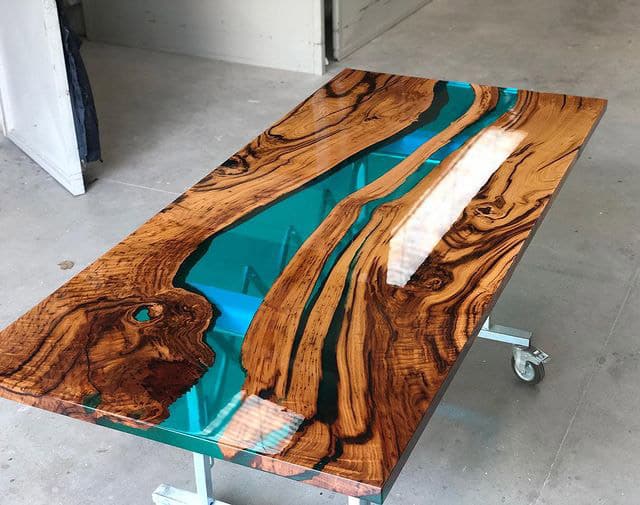
What You’ll Need
- “Epoxytable 10-Ten” – Deep Pour Epoxy Resin for Tables, Up to 10cm Casting: For deep or large castings up to 10cm thick.
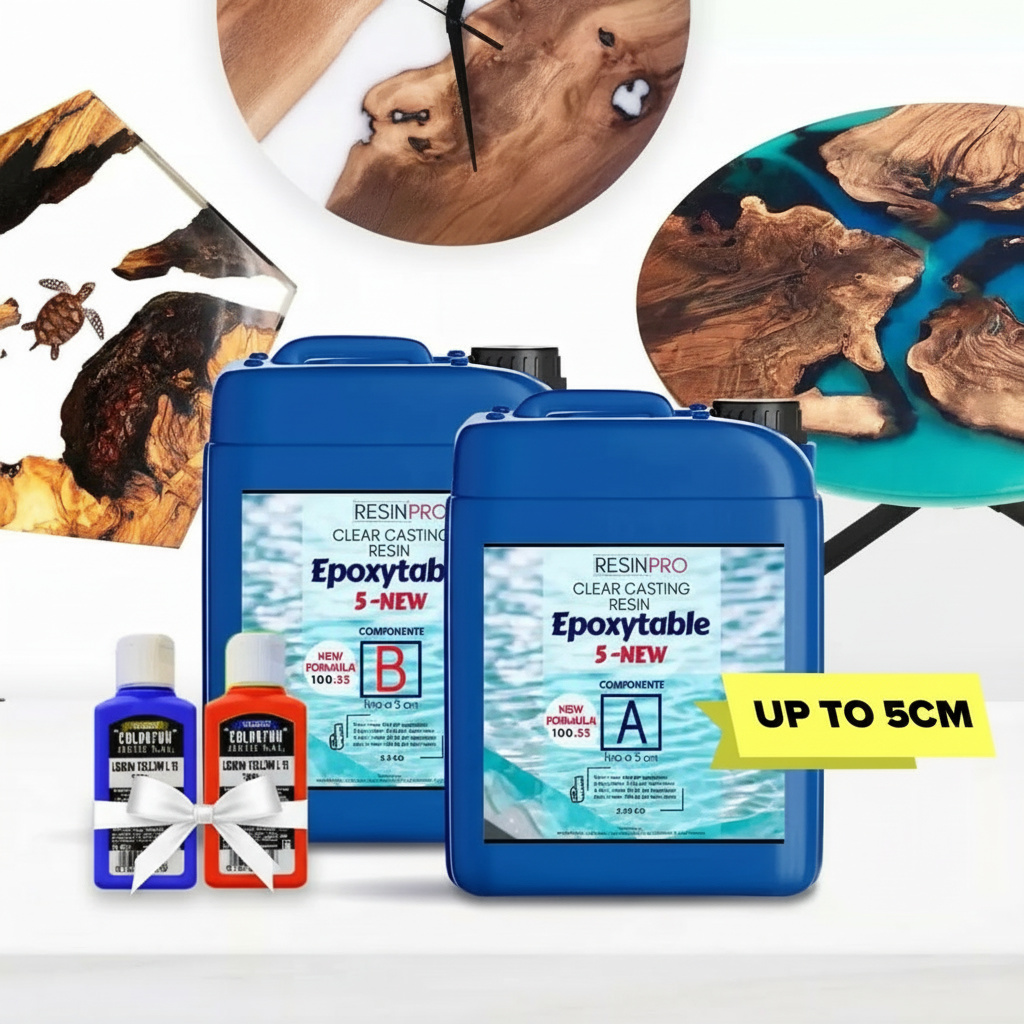
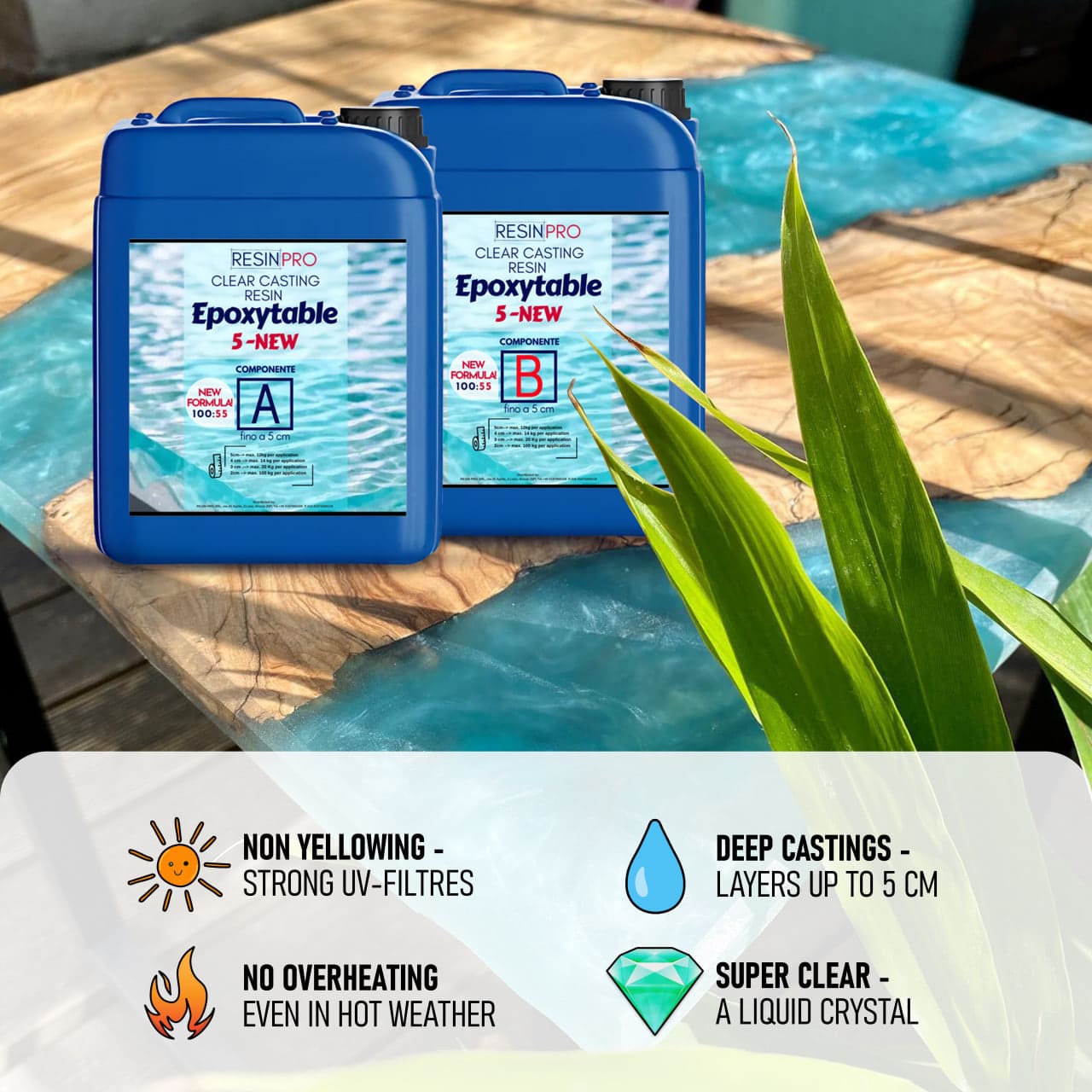
- “EpoxyTable 5-Five” – Deep Pour Epoxy Resin for Tables and Large Projects – Up to 5cm: Designed for medium-thickness pours generally up to 5cm.
- “EpoxyWood” – Wood Restoration Epoxy Resin for Deep Penetration and Waterproofing: Ideal for sealing wood before casting to reinforce it and prevent moisture-related cracking.
- “Forest Glow” – Resin Art Kit with Wood Slices, Pigments, and Epoxy Resin: For art projects aiming for a crack-free finish on wood bases.
- Disposable gloves and mixing tools
- Dry, clean substrate (wood, moulds, or art panels)
- Accurate scales and thermometer
- Protective coverings for workspace

Visualising Crack-Free Resin Results
See flawless pours and professional finishes. Controlled workspace temperatures and dry materials set the stage for projects free from cracking. Whether you’re working on river tables or wood art, expert preparation means lasting quality.
Step 1: Prepare Your Workspace and Materials
Ensure your workspace is at a stable temperature, ideally between 18°C and 25°C, with minimal drafts and steady humidity. Sudden changes in environment can cause uneven curing or stress cracking, especially during the critical early hours after pouring.
Thoroughly dry and acclimate your casting base—this means wood should not only be fully dried but also left in the workspace for at least 24 hours prior to pouring so it matches the ambient conditions. Water or moisture trapped inside wood or moulds is a leading cause of cracks as it creates steam and expansion during the curing cycle.
If working with raw wood, consider sealing it first. Using “EpoxyWood” – Wood Restoration Epoxy Resin for Deep Penetration and Waterproofing will help reinforce the fibres and provide a barrier against moisture, reducing the risk of subsequent cracks in your resin work.
Step 2: Choose the Right Pouring Technique
Deep or large-volume pours present the greatest risk for cracking due to the heat generated by the chemical reaction (exotherm). Pour resin in thin or staged layers for thick projects. For example, if making a river table more than 5cm deep, pour in multiple layers or select a formulation designed for deep casting, such as “Epoxytable 10-Ten” – Deep Pour Epoxy Resin for Tables, Up to 10cm Casting, which is engineered to minimise overheating and reduce the chance of cracks.
Never exceed a resin’s maximum recommended pour depth at once. Excessive thickness leads to runaway curing, warping, and stress cracks across or within your finished piece.
Step 3: Mix and Pour with Care
Mix resin slowly, thoroughly scraping both sides and base of your mixing container. Fast, vigorous mixing can introduce air and accelerate chemical activation, causing bubbles and potential stress points that may develop into cracks.
After mixing, let the mixture stand for a couple of minutes to allow trapped air to rise. Pour resin gently and evenly in the centre of your mould or workpiece, letting it flow outward to cover the surface naturally. This technique minimises internal air pockets and the stresses that cause cracking.


Step 4: Allow for Controlled, Gradual Curing
Allow for gradual, undisturbed curing. Cover your piece to protect it from dust while maintaining airflow to regulate curing temperature. Avoid moving or disturbing your project for at least 24 hours after pouring, as vibrations or sudden cooling/heating may introduce microfractures or full cracks.
Use resin products matched to your project’s dimensions—“EpoxyTable 5-Five” – Deep Pour Epoxy Resin for Tables and Large Projects – Up to 5cm is designed for mid-depth castings and helps ensure a stable, bubble-free cure without undue thermal build-up.
Tips, Common Mistakes, and Troubleshooting
- If cracks do appear, check for moisture in the substrate and consider sealing raw materials thoroughly next time with a suitable penetrating resin.
- Avoid pouring excessive resin volume at once—follow the manufacturer’s maximum pour instructions exactly.
- Allow each layer to cool fully before pouring the next to prevent internal heat build-up. Rushing this stage is a very common cause of internal stress and subsequent cracking.
- For creative art kits such as the “Forest Glow” – Resin Art Kit with Wood Slices, Pigments, and Epoxy Resin, use kiln-dried slices or ensure your substrate is properly dried to prevent future splitting.
- If unsure, create a small test pour to gauge resin behaviour in your specific workshop conditions before committing valuable materials.
Pouring Successes and Real-World Troubleshooting
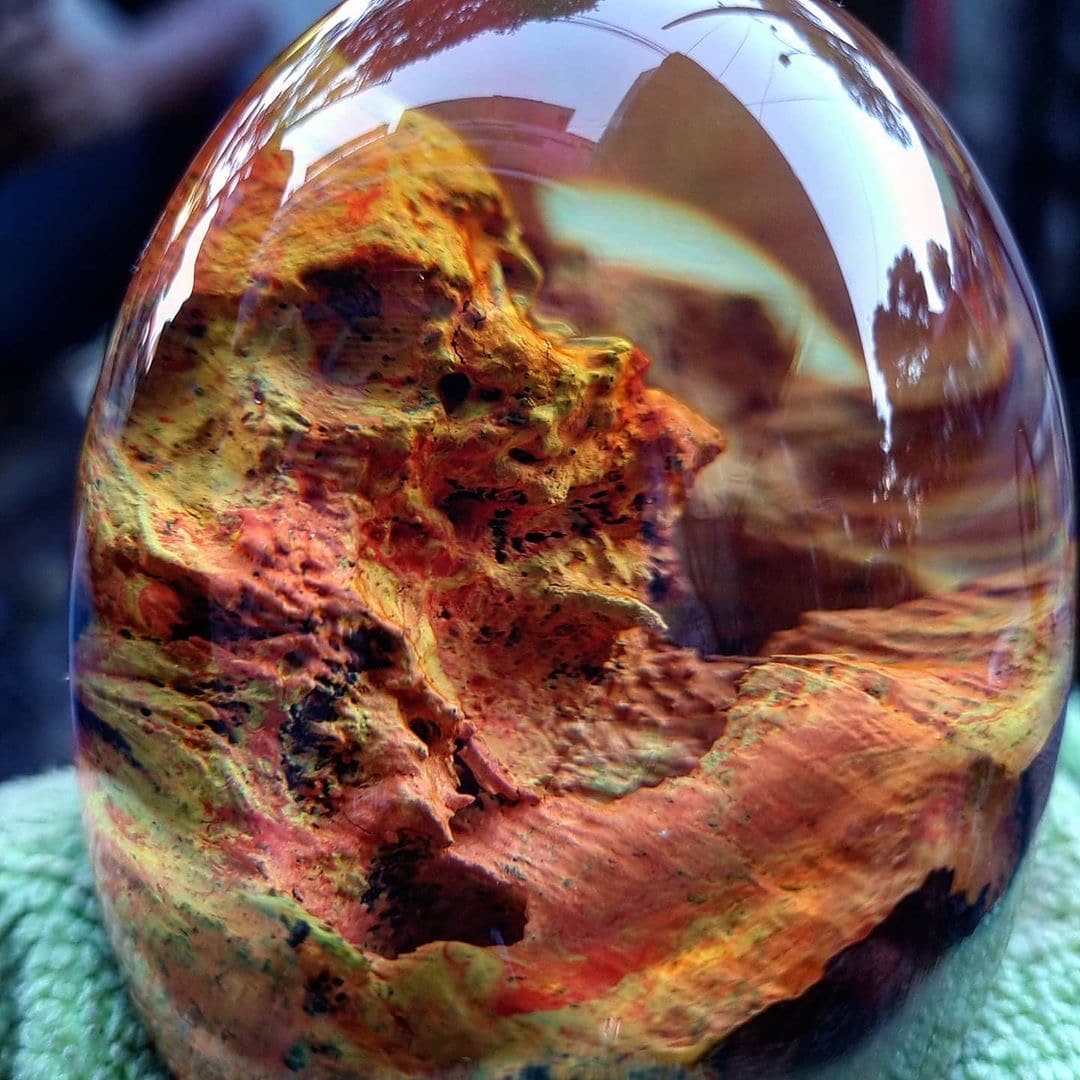
Every successful epoxy resin piece is built on patience and precision. Even minor shortcuts can lead to cracks. These visuals highlight the contrast between careful layer-by-layer work and rushed pours that risk defects.

- “Epoxytable 10-Ten” – Deep Pour Epoxy Resin for Tables, Up to 10cm CastingPrice range: £35.95 through £351.95Epoxy resin designed for deep pouring up to 10cm, suitable for creating tables and artistic projects with clear, bubble-free finish.
- "EpoxyTable 5-Five" – Deep Pour Epoxy Resin for Tables and Large Projects – Up to 5cmPrice range: £17.95 through £1,154.95"EpoxyTable 5-Five" is a deep pour epoxy resin designed for tables and large projects with castings up to 5cm, suitable for careful and stable…
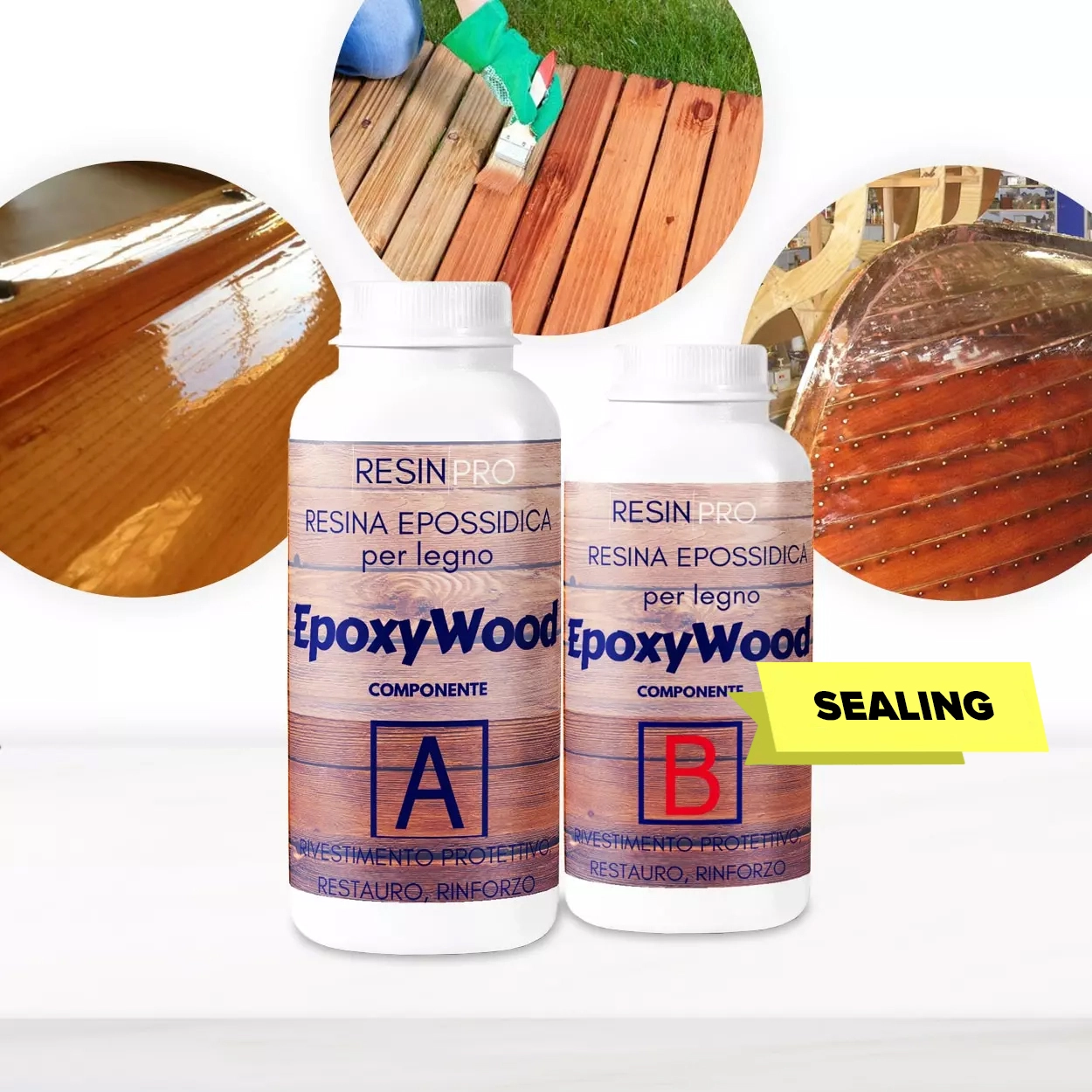 "EpoxyWood" – Wood Restoration Epoxy Resin for Deep Penetration and WaterproofingPrice range: £27.95 through £41.95"EpoxyWood" is designed for wood restoration with deep penetration and waterproofing, suited for wood and related surfaces under the theme How to…
 "Forest Glow" – Resin Art Kit with Wood Slices, Pigments, and Epoxy Resin£31.45"Forest Glow" kit blends natural wood slices with pigments and epoxy resin, designed for creative resin art projects.
Frequently Asked Questions
Why do cracks form in epoxy resin projects?
Cracks are typically caused by rapid temperature changes, moisture in the base, or pouring excessive volume at once. Using correct techniques and materials minimises these risks.
How do I prepare wood to avoid cracking?
Ensure wood is fully dried and acclimated to room conditions. Seal with a deep-penetration resin to reinforce fibres and block trapped moisture.
What temperature is best for epoxy curing to prevent cracks?
Cure epoxy at a stable temperature between 18°C and 25°C. Avoid sudden shifts or draughts for best results.
Can I fix cracks in epoxy resin after it has cured?
Minor cracks can sometimes be filled with fresh resin, but deep or structural cracks may require sanding and repouring.
Should I pour epoxy resin in layers to prevent cracks?
Yes, layering reduces heat build-up, allowing safe curing and preventing the internal stresses that can cause cracks.
How do I choose the correct epoxy resin to reduce cracking risk?
Select a resin designed for your project thickness. Deep pour resins are engineered to minimise overheating and internal cracking.