 Free shipping on orders over £29,85
  Shipping Tracking!


 Google
 Facebook
← Back to How to resin a circuit board?
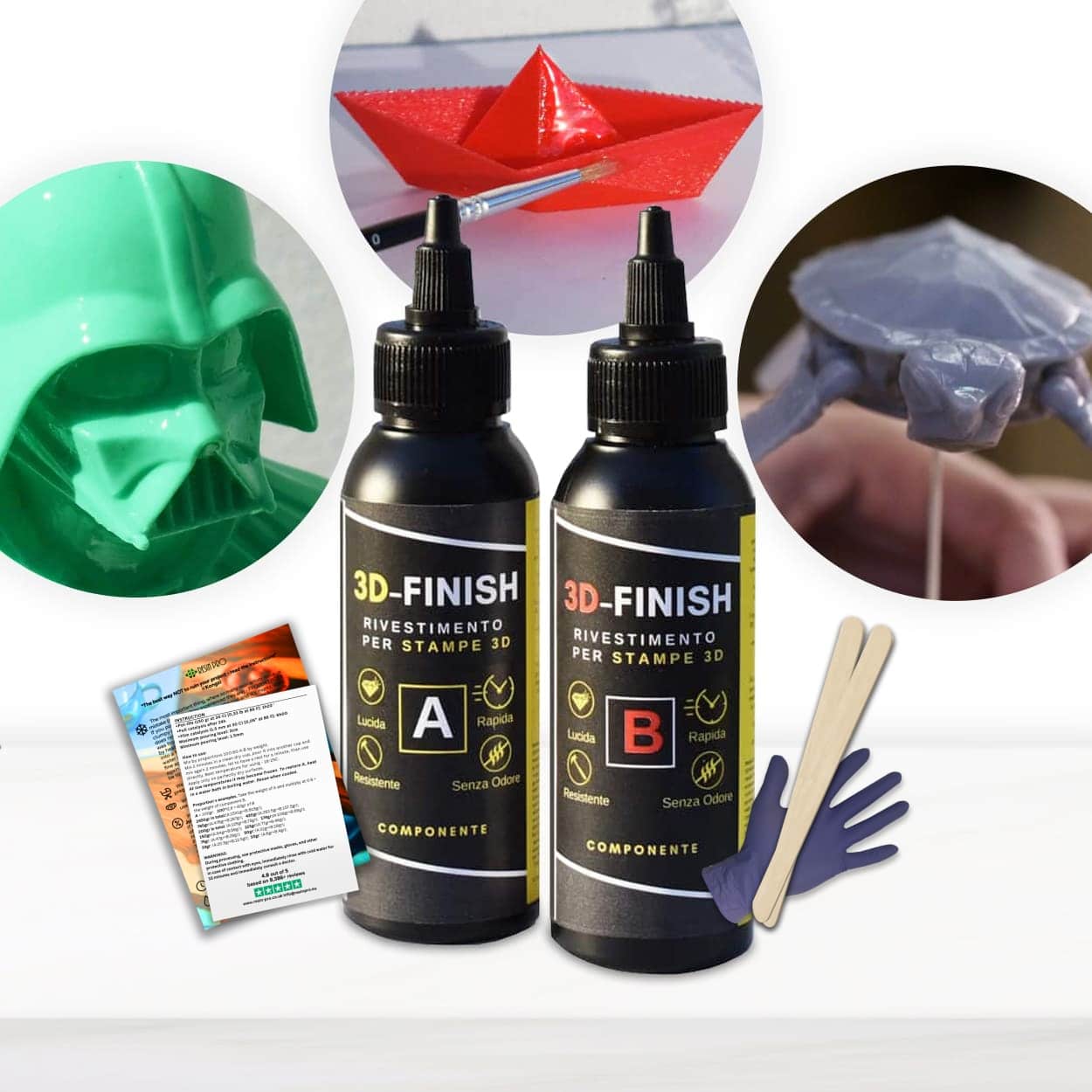
Resining a circuit board is not simply about applying a protective layer—it’s about achieving the right thickness for both safety and performance. Applying a thin, even coat of resin is vital to shield your circuits effectively without introducing fresh problems.
The Importance of a Thin, Even Coating
Too much resin on a circuit board can trap excess heat, risking component damage or degraded performance over time. Conversely, an overly thick layer may create unintended electrical insulation, potentially disrupting proper connections or making servicing more difficult. Keeping the resin coating as thin as possible ensures essential protection against dust, moisture, and accidental contact, while still letting heat dissipate and connections remain accessible.

Achieving Consistency in Your Application
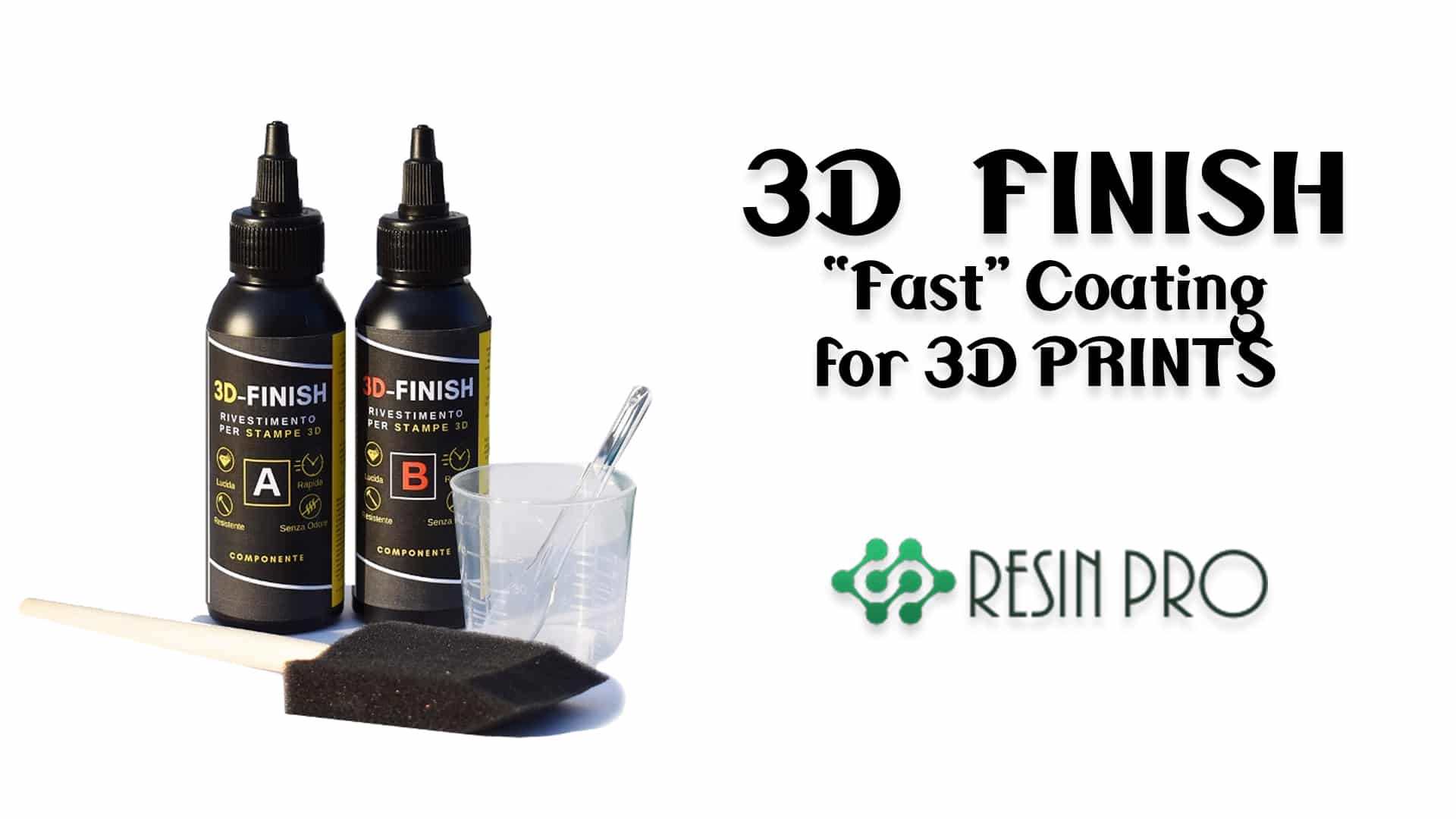
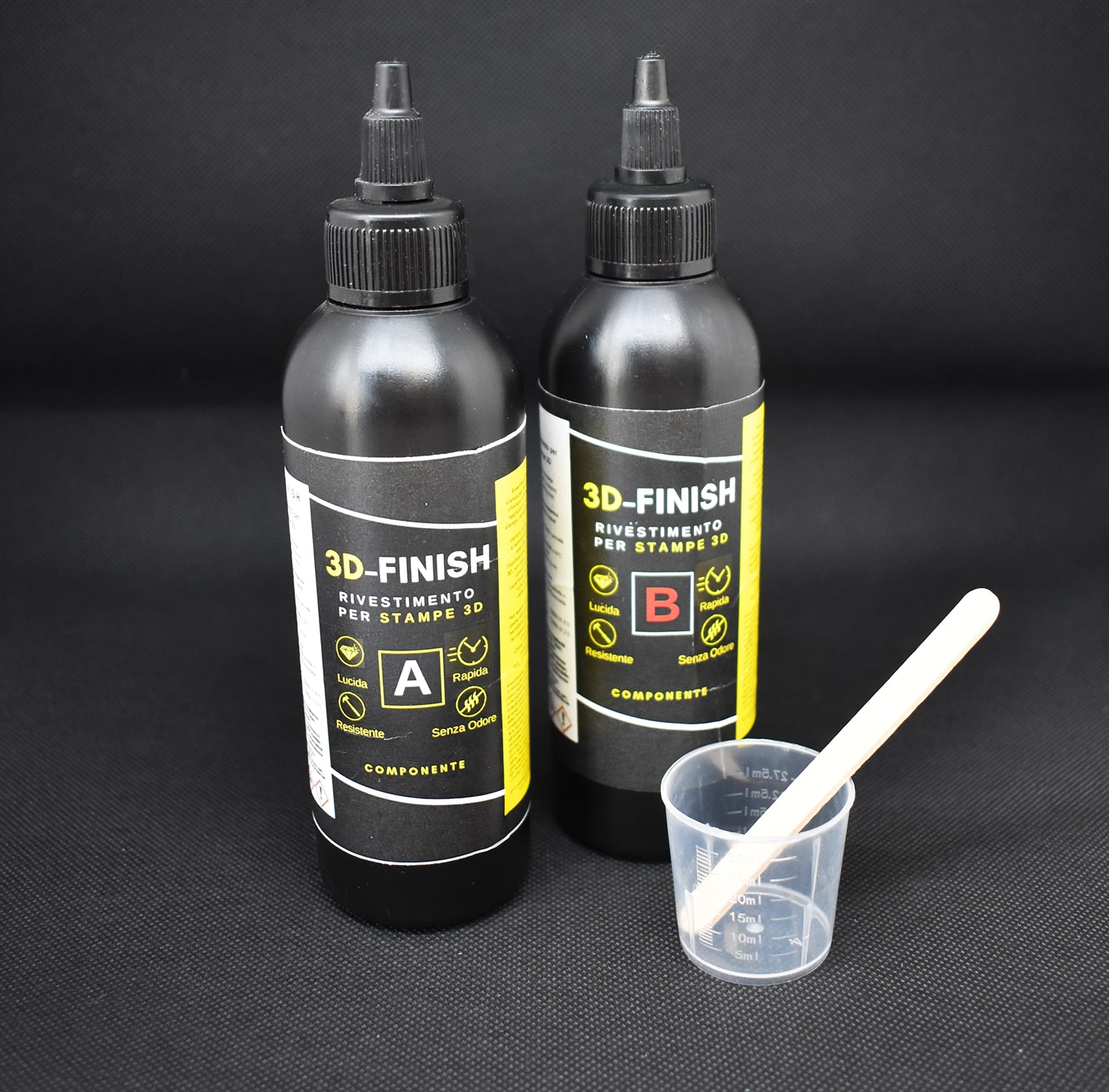
To achieve a reliable, thin coat, it’s crucial to measure and mix your resin accurately. Using precision digital scales allows for exact resin-to-hardener ratios, ensuring optimal curing and viscosity. Select a resin designed for smooth, self-levelling application, such as 3D Finish Fast Coating Epoxy Resin, which is formulated to preserve MVP details without excess build-up. For best results, apply the resin with a soft brush or pour sparingly, allowing it to level naturally while avoiding puddling.
When This Matters Most
- Delicate or high-frequency circuit assemblies sensitive to heat
- Prototyping or 3D-printed boards where aesthetics meet function
- Projects needing reliable protection without interfering with maintenance
Related products
Related guides
Getting the resin thickness just right supports both the protection and functionality of your circuit boards. This attention to detail ensures your projects are not only well-shielded but also remain serviceable—connecting back neatly to best practices outlined in our main guide on how to resin a circuit board.