 Free shipping on orders over £29,85
  Shipping Tracking!


 Google
 Facebook
← Back to How to Make Holes in the Wall Using Resin?
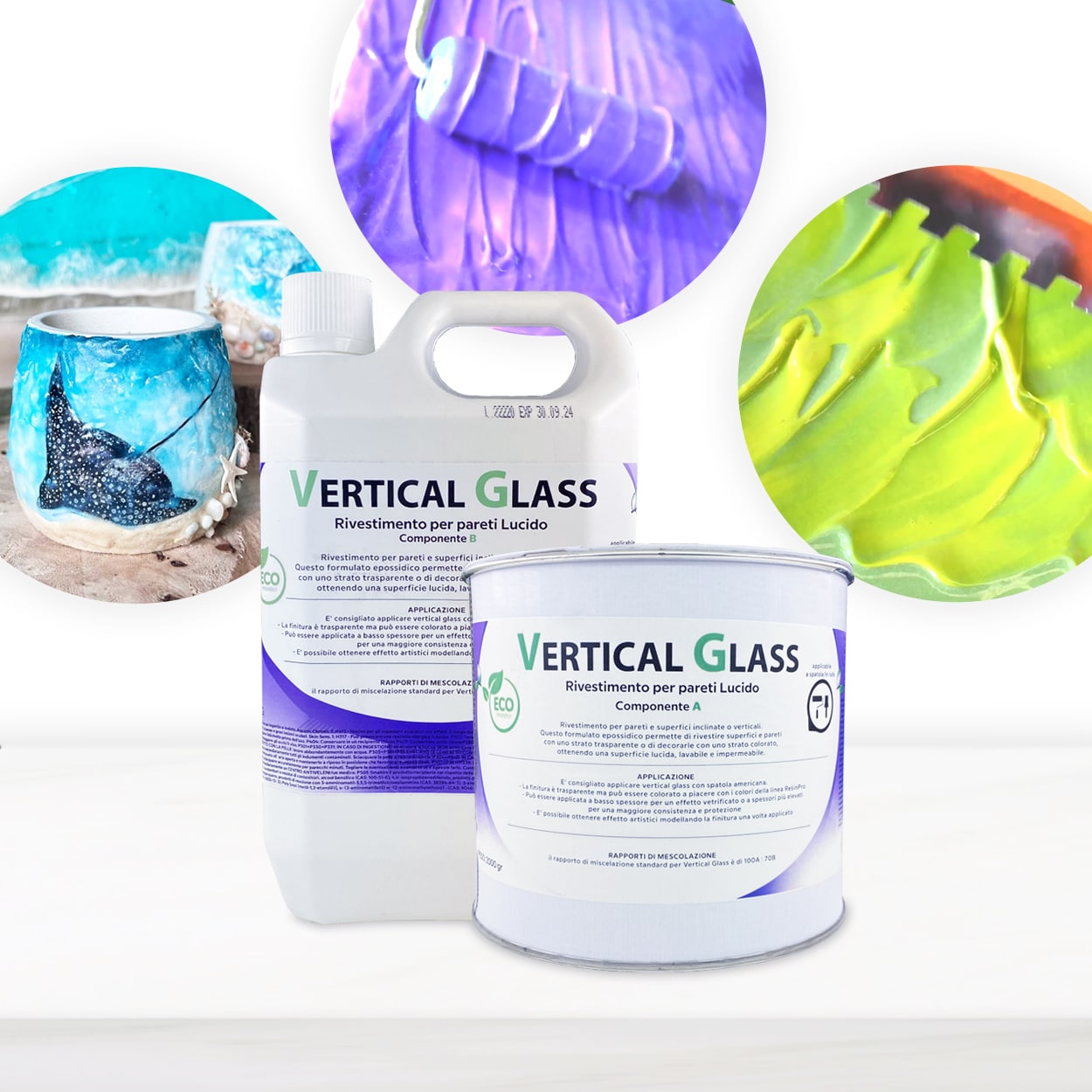
When creating holes or layered effects in a wall using resin, one of the most important steps is allowing each stage to cure properly. Skipping or rushing this process can affect the strength and look of your finished surface.
Understanding Curing in Multi-Stage Resin Projects
Resin curing refers to the time needed for the product to harden and reach its optimal properties. In wall applications—such as filling drilled holes, creating textured designs, or adding decorative coatings with products like Vertical Glass—it’s especially important that each resin layer is left to cure before proceeding to sanding, drilling, or additional pours.
- Primary cure: The resin becomes touch-dry and stable for light handling, often in 12–24 hours depending on product and temperature.
- Full cure: Full mechanical and chemical strength, typically reached after 48–72 hours, though this can vary.
Consequences of Insufficient Curing Time
If you do not allow enough curing time between stages, subsequent layers may fail to adhere properly or could introduce air bubbles and imperfections. This undermines both the appearance and the long-term durability of the surface. Especially for vertical projects, premature handling could cause drips or distortions in your design.
Timing Tips for Wall Resin Work
- Check the manufacturer’s recommended curing intervals on every product used.
- In cooler or humid conditions, extend waiting times as curing slows down.
- Sanding or drilling into partially cured resin can damage the structural integrity of your work.
- For resin art, high-viscosity options like “Art Pro Deluxe” can help keep details crisp, but still require a full cure before moving to the next step.
When This Matters Most
Curing time is crucial when creating layered decorative effects, filling wall holes, or working with vertical and sloping surfaces. Patience here translates to lasting, professional results.
Related products
Related guides
Allowing proper curing time between every resin stage ensures your wall projects remain sturdy and attractive. For more guidance on making holes in walls using resin, explore our parent guide for detailed project tips.