 Free shipping on orders over £29,85
  Shipping Tracking!


 Google
 Facebook
How to Make Holes in the Wall Using Resin?
Making decorative or functional holes in a wall using resin is an advanced DIY technique that results in long-lasting, visually striking features. Whether you aim to fill recesses, create embedded niches, or stabilise existing holes, this guide provides clear, safe, and achievable steps for hobbyists and professionals alike.
Step-by-step guide for seamless resin wall modifications
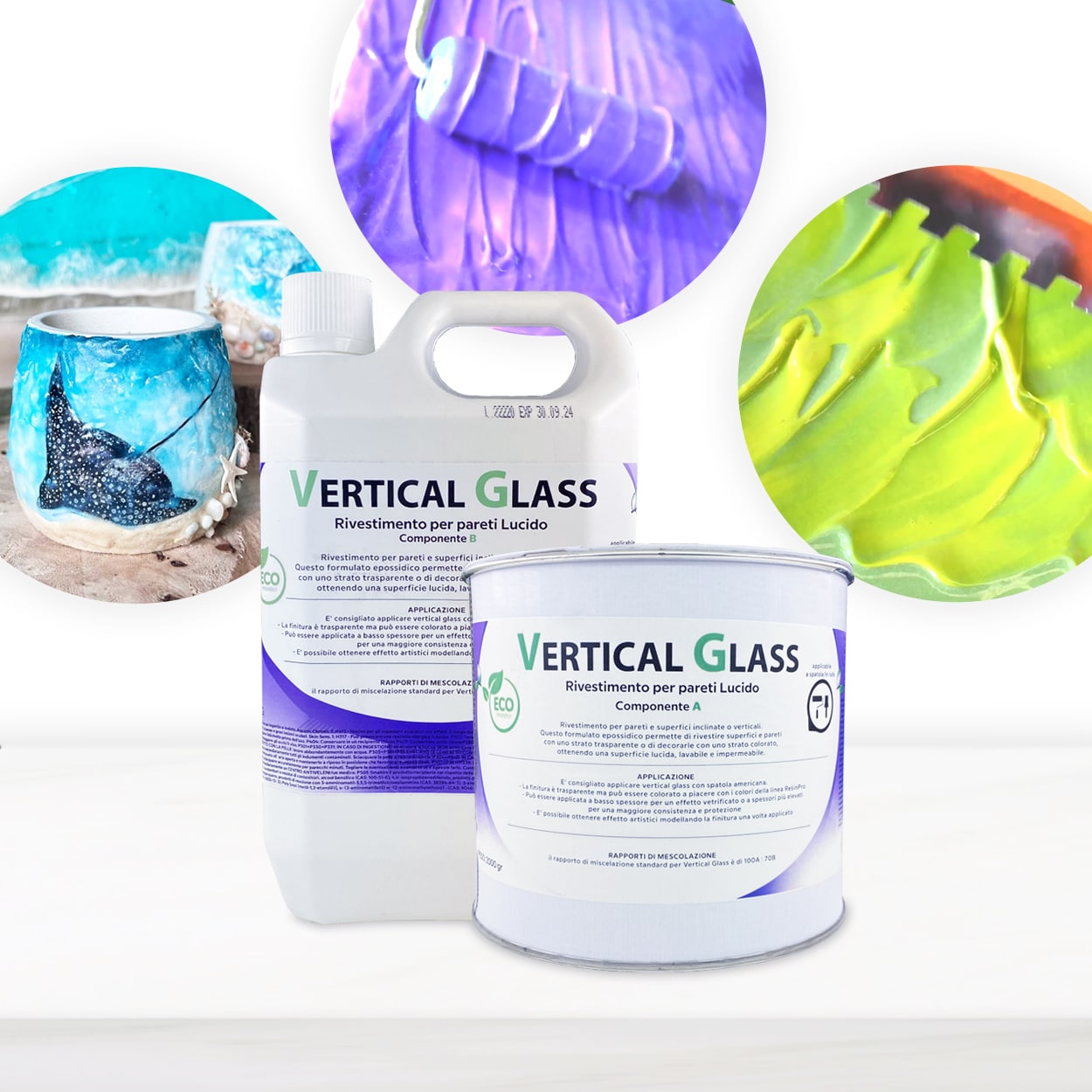

What You’ll Need
- “Vertical Glass” – Thick Resin Decorative Wall Coating: A robust, decorative finish for vertical surfaces.
- “Trasparente” – Multipurpose Clear Epoxy Resin for Casting – Up to 2cm: Suitable for clear or detailed casting into prepared apertures.
- “Art Pro Deluxe” – Ultra-High Viscosity Epoxy Resin for Artists: For intricate shaping or artful inserts.
- “Art Pro” – Clear Epoxy Resin for Artists and Surface Coating: Durable for topcoating and surface blending.
- Protective sheets and tape
- Construction tools (drill, cutting tools, or wall saw)
- Spatula and mixing containers
- Personal protective equipment (gloves, goggles, mask)
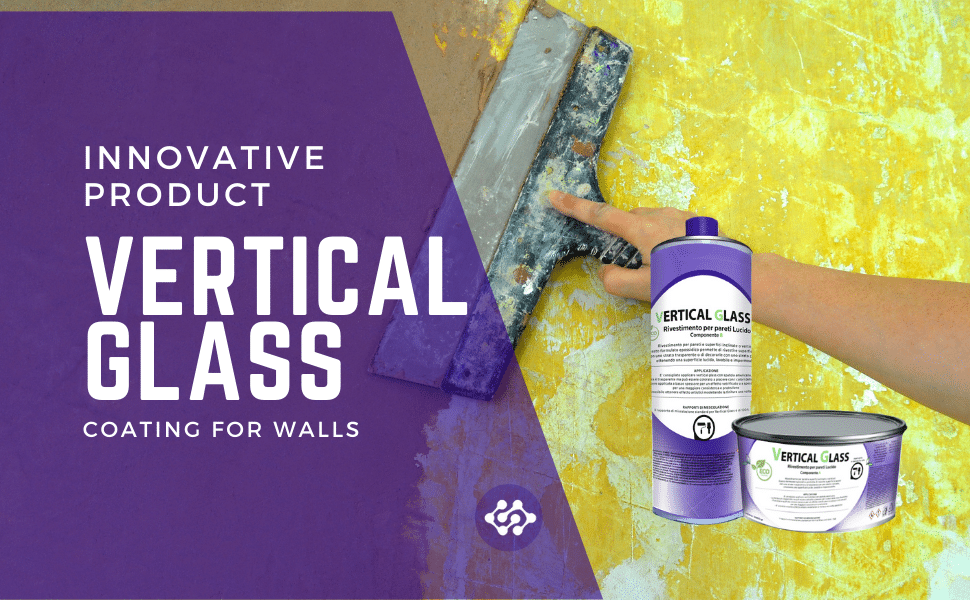
Inspiration: Custom Resin Wall Features
Resin is ideal for creative wall projects such as illuminated niches, artistic window effects, or integrated shelving. Explore versatile finishes with “Vertical Glass” – Thick Resin Decorative Wall Coating or craft transparent insets using “Trasparente” – Multipurpose Clear Epoxy Resin for Casting – Up to 2cm.

Step 1: Mark and Prepare the Wall
Carefully measure and outline the desired hole location and dimensions directly on the wall. Use a ruler and level to ensure precision, especially if creating geometric recesses or features. Protect surrounding surfaces with sheets and masking tape to prevent dust or resin spillage.
Using appropriate construction tools—like a drill, hole saw, or rotary cutting device—cut out the area, removing debris thoroughly. Ensure the wall area is patched and primed without loose material, as this ensures the resin bonds correctly to solid, clean edges.
Step 2: Set Up a Mould or Frame
To control the flow of resin and achieve sharp, well-defined holes, construct a simple mould using non-stick materials (such as acetate, silicone tape, or a coated board) on the open side of the hole. Secure it tightly so the resin does not seep behind. If filling through the wall, tape the reverse side fully for containment.
This step is vital for avoiding spillages—take time to check all edges for leaks and reinforce with extra tape if needed.
Step 3: Mix and Pour the Resin
Select your resin according to the desired finish and depth. For a decorative, thick wall coating or to reinforce vertical edges, “Vertical Glass” – Thick Resin Decorative Wall Coating provides excellent control and a premium finish. For fully clear or coloured filling in holes up to 2cm, “Trasparente” – Multipurpose Clear Epoxy Resin for Casting – Up to 2cm works well.
Prepare your chosen resin as per manufacturer’s instructions. Measure and mix your resin accurately, ensuring a consistent blend by scraping the sides of your container. Pour slowly into the prepared space, using a spatula to guide flow and eliminate air bubbles. Layer pouring is recommended for thick walls or deep fills to prevent overheating.

Step 4: Finishing and Curing
Once the resin is in place, use a clean spatula to even the surface and remove any excess. For artistic, glossy touches, consider using “Art Pro Deluxe” – Ultra-High Viscosity Epoxy Resin for Artists or “Art Pro” – Clear Epoxy Resin for Artists and Surface Coating as a final coat to integrate the repair seamlessly with the surrounding wall.
Allow enough curing time between stages (as specified on the product) for best results. Only remove any mould or tape after the resin is fully hardened—usually 24–48 hours. Any sharp edges can be lightly sanded for a clean finish.

Tips, Common Mistakes, and Troubleshooting
Always use personal protective equipment to avoid skin or respiratory contact with resin dust or liquid. Plan cuts and pours with care: measure twice, cut once, and double-check your containment before pouring. Prevent yellowing or cloudiness by using resins with UV inhibitors for sun-exposed locations and avoiding pouring resin in thick, single layers.
If bubbles appear in the resin, remove them with a gentle heat source or pin before curing. Misshapen holes can often be tidied after curing with a light sanding and additional resin topcoat.
Expert Advice: Achieving Lasting Results
Work in manageable stages to prevent resin from overheating and always ensure each layer is fully cured before sanding or topcoating. For a professional blend with the surrounding wall, finish with “Art Pro” – Clear Epoxy Resin for Artists and Surface Coating to match gloss and durability.
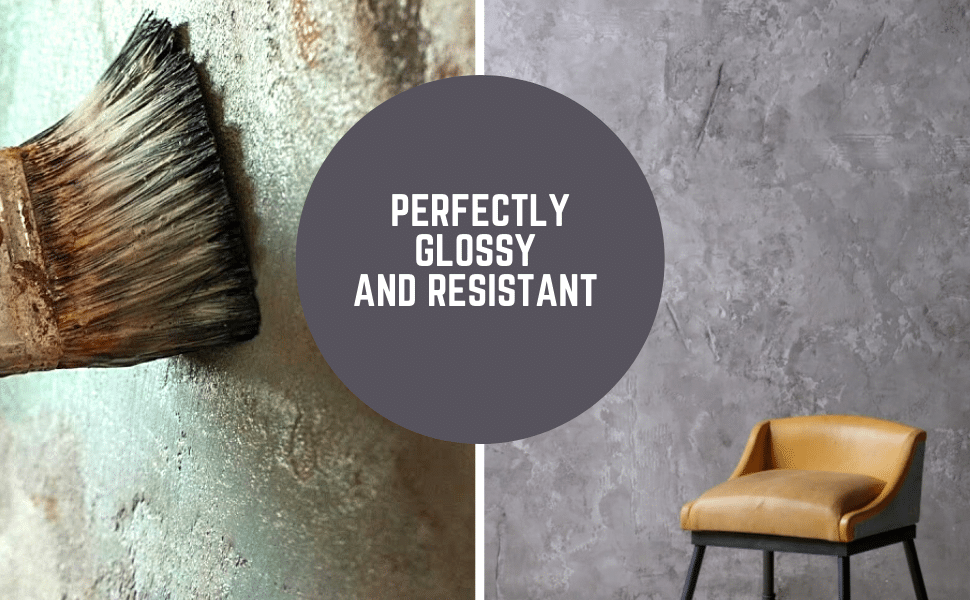
- "Vertical Glass" – Thick Resin Decorative Wall CoatingPrice range: £128.85 through £179.85"Vertical Glass" offers a waterproof, customisable epoxy resin finish suited for vertical and sloping surfaces in interiors.
 "Trasparente" – Multipurpose Clear Epoxy Resin for Casting – Up to 2cmPrice range: £8.45 through £948.85"Trasparente" is a clear epoxy resin suitable for casting up to 2cm, designed for varied DIY and woodworking applications.
 "Art Pro Deluxe" – Ultra-High Viscosity Epoxy Resin for ArtistsPrice range: £33.85 through £287.85Art Pro Deluxe resin offers precise control for artistic resin work with a clear, self-levelling surface and high scratch resistance.
 "Art Pro" – Clear Epoxy Resin for Artists and Surface CoatingPrice range: £31.15 through £388.85Art Pro clear epoxy resin provides durable, clear finishes suitable for artistic and surface coating projects in this resin-focused theme.
Frequently Asked Questions
How should I prepare my wall for resin hole filling?
Ensure the area is clean, dry, and primed, and remove all dust or loose fragments before applying resin.
What type of resin is best for creating holes in walls?
Use a thick, non-drip resin or casting resin suited to the size and style of hole you want to create.
How do I prevent my resin from leaking out of the hole?
Ensure all mould edges are sealed with tape and use non-stick panels for secure containment during curing.
How long should I wait for resin to cure in wall holes?
Wait at least 24 to 48 hours, or as recommended by the product, before removing supporting frames or sanding.
How can I keep resin wall holes clear over time?
Use resins with UV protection and avoid thick single pours to help prevent yellowing or cloudiness.
What is the best way to remove bubbles from resin in vertical holes?
Use a gentle heat source, like a heat gun, or a fine needle to pop bubbles shortly after pouring.