 Free shipping on orders over £29,85
  Shipping Tracking!


 Google
 Facebook
← Back to How to use clear resin and wood?

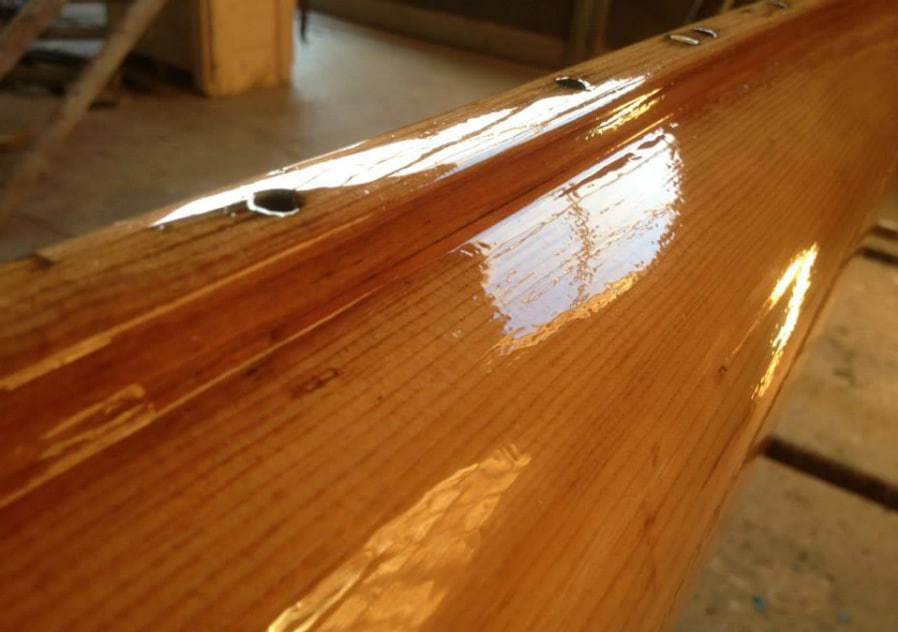
Patience is key when working with clear resin and wood. Allowing your project to cure fully before removing it from the mould safeguards a flawless final result and avoids disappointment due to distortion, marks, or weakness.
Why Full Curing is Essential
Resin initially sets to the touch, but beneath the surface it takes longer to achieve maximum hardness and structural stability. Removing your piece too soon can cause warping, flexibility, or fingerprints that may be impossible to correct. Waiting until the resin reaches full cure—typically stated in your product’s instructions—ensures the project stays true to shape and durability.


Practical Tips for Curing and Demoulding
- Check the recommended curing time for your specific resin, which can range from several hours to days depending on product and thickness.
- Keep your project in a dust-free, stable environment while curing. Avoid handling or moving the mould before full set.
- If using a product such as EpoxyWood for reinforcing wooden structures, ensure surrounding wood is dry and sanded before pouring, and leave it undisturbed until the manufacturer’s suggested cure time elapses.
When This Matters Most
Full curing is particularly critical with deep pours, large surfaces, or whenever a premium finish is required. Projects destined for tables, furniture, or art displays rely on a perfect, stable cure for maintaining strength and appearance over time.

Related products
Related guides
Taking the extra time for full curing pays off in quality and durability for any clear resin and wood project. For more in-depth tips on working with resin and wood, explore our complete guide.