 Free shipping on orders over £29,85
  Shipping Tracking!


 Google
 Facebook
← Back to How to put insects in resin natural sciences fb?
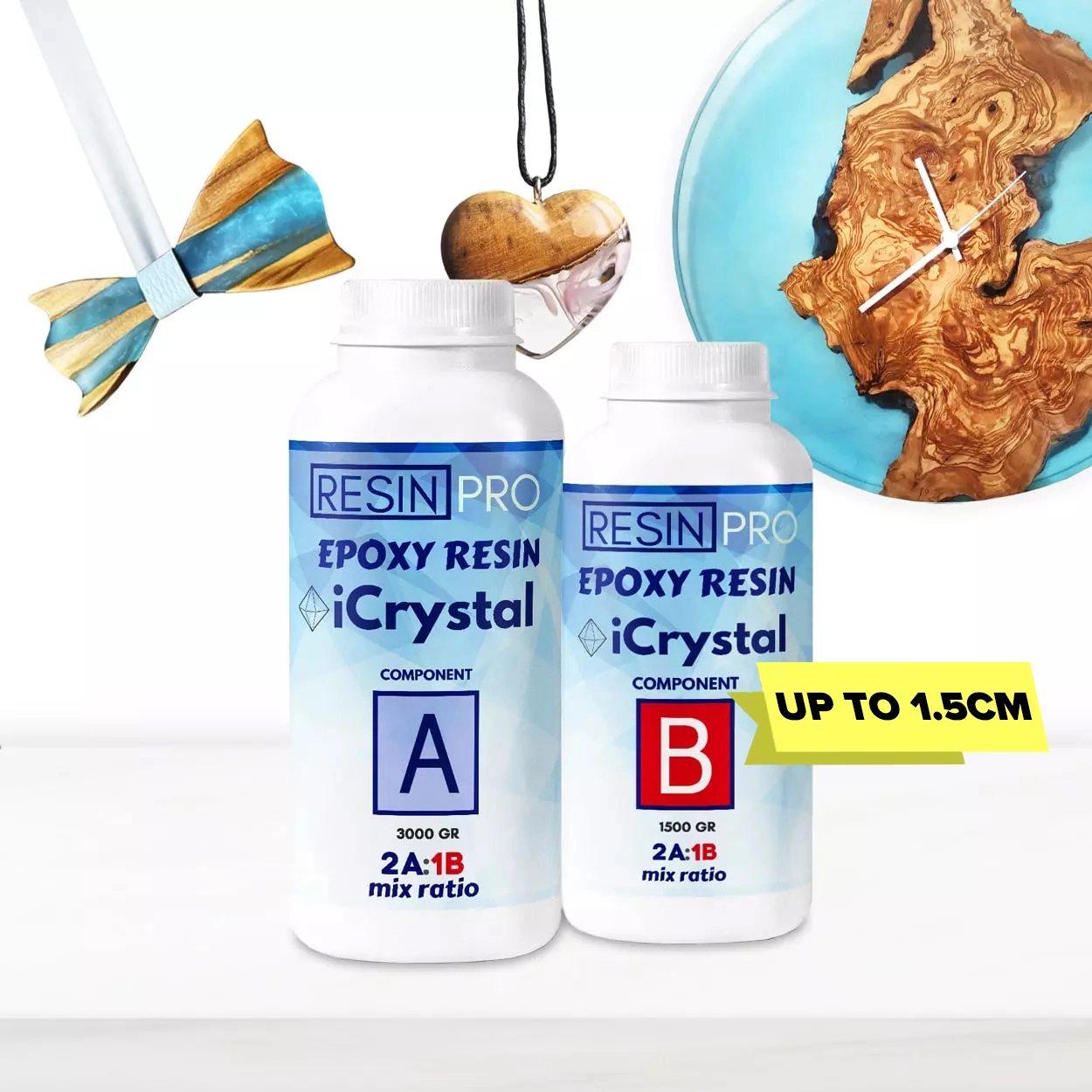
When working with resin to encapsulate insects or other specimens for natural sciences, patience is key. Allowing the resin to cure completely before demoulding is essential to achieving a clear and professional result that properly showcases your specimen.
Why Waiting for Full Cure Is Important
Removing resin too soon from the mould can result in distortion, stickiness, or surface imperfections. A fully cured resin casting ensures structural integrity and a glossy, clear finish without imprints or cloudiness. Most clear epoxy resins, such as Icrystal, provide the level of transparency needed for displaying natural specimens when given ample curing time.
Typical Curing Times and Practical Tips
- Refer to the resin product instructions for precise curing times suited to your application thickness (often 24–48 hours for most epoxies, or just minutes for UV products).
- Ensure the casting is undisturbed in a dust-free, level area during cure.
- For deeper pours (over 1–2 cm), consider resins formulated for such depths and allow additional time to avoid soft spots.
- If using UV-cured resin, like UV–Creation, fully expose all surfaces to suitable UV light for best results.
When This Matters Most
Curing time is especially important when embedding delicate items such as insects. Premature handling may compromise specimen preservation and clarity, making full cure essential for educational displays or scientific work.
Related products
Related guides
Giving resin the correct amount of time to cure is fundamental for successful natural science projects—whether you’re preserving insects or other specimens. For more on working with resin for science crafts, see our main guide on how to put insects in resin.