 Free shipping on orders over £29,85
  Shipping Tracking!


 Google
 Facebook
← Back to How to use resin for bricks?
Applying resin to brick surfaces can transform their look and add protection, but it’s crucial to test a small area before fully covering walls or floors. This simple step can prevent unexpected issues and sets the path for a flawless finish.
Why Is a Patch Test Important?
Brick is a naturally variable material. Different bricks absorb resin at different rates, and their appearance may also change once a coating is applied. Testing in a discreet corner allows you to check for uneven absorption, residue, or any finish that looks different from your expectations. It can also alert you to possible compatibility issues between the resin and the brick surface—essential if the bricks are especially old, painted, or treated previously.
How to Perform a Small Area Test
- Choose an inconspicuous spot, ideally similar in texture and exposure to the main surface.
- Carefully clean the area and ensure it’s dry before application.
- Mix your resin as instructed and apply a thin, even layer.
- Allow the test area to fully cure to assess the final appearance.
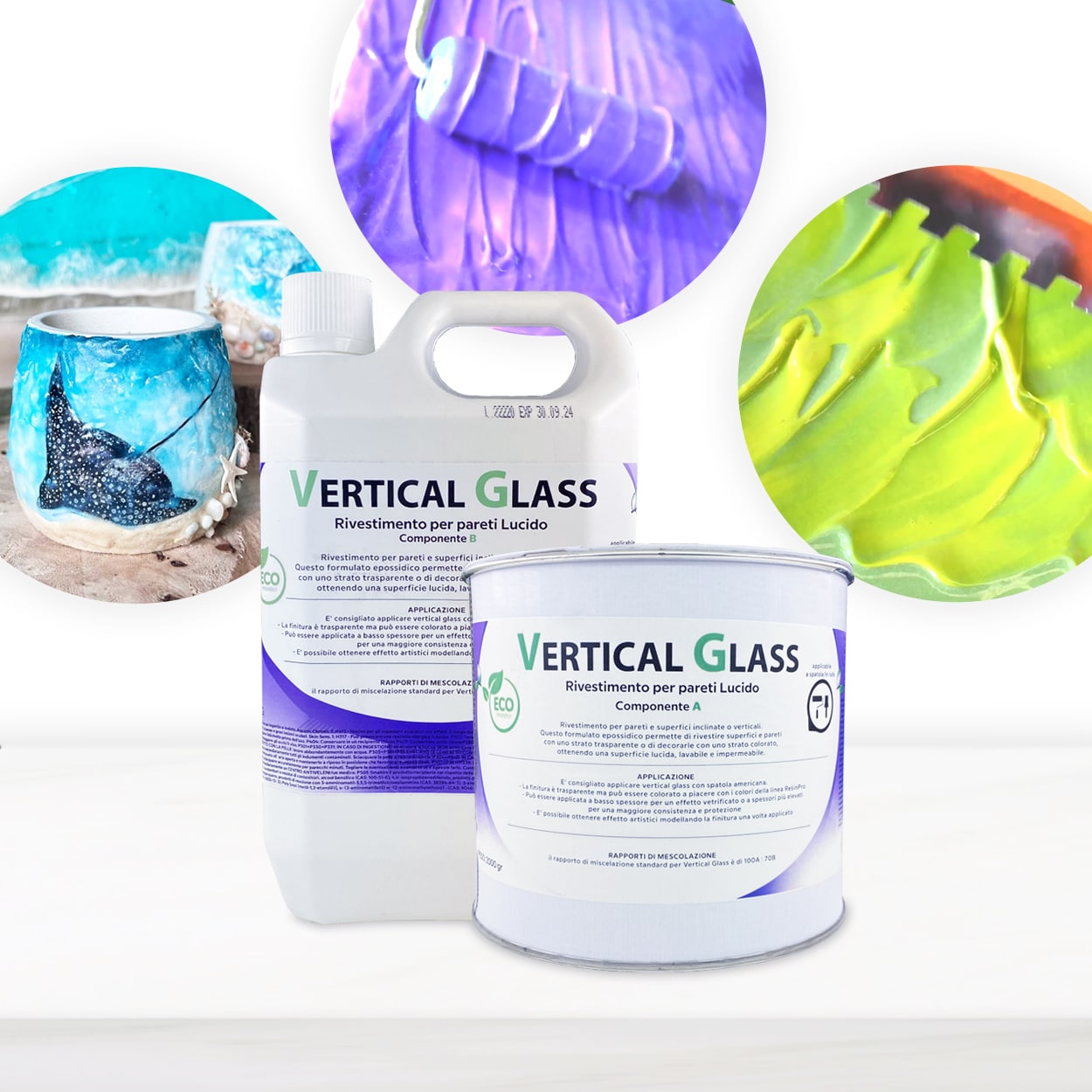
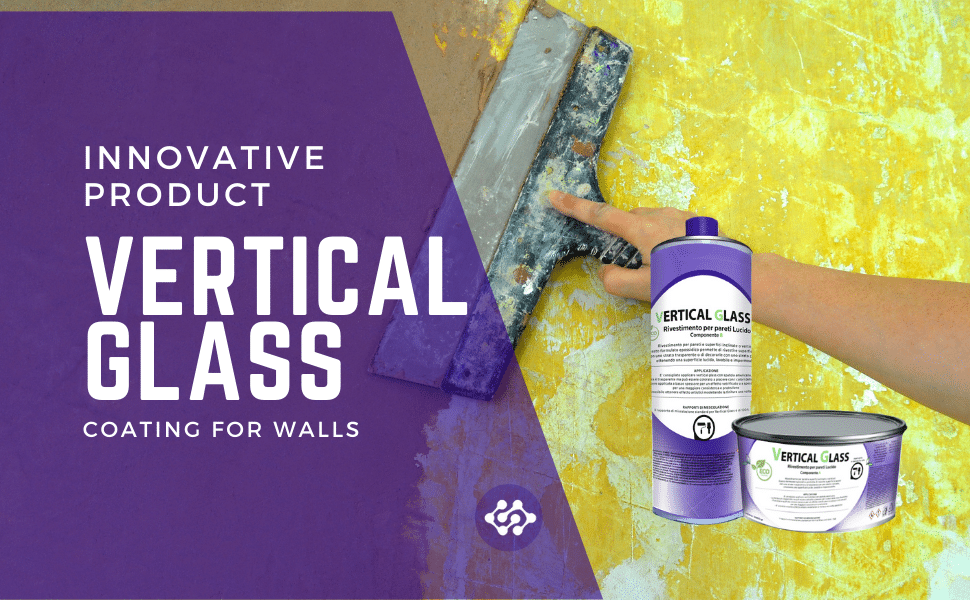
Watch for clear bonding, colour change, and that no staining or patchiness develops. If the outcome isn’t ideal, adjustments including increased cleaning, alternate primer, or different resin may be needed. For brick walls, products like “Vertical Glass” – Thick Resin Decorative Wall Coating are specifically formulated for vertical and decorative surfaces, helping to achieve a smooth and glossy result.
When This Matters Most
Testing is essential when working on historic brickwork, repurposed interiors, or surfaces exposed to high humidity, such as kitchens or bathrooms. Even the best resins can react differently on bricks with traces of old coatings or hidden moisture, so a test provides peace of mind.

Related products
Related guides
By making a simple test patch part of your process, you pave the way for a professional finish and lasting results. For more dedicated advice on choosing and applying the right resin for bricks, see our full guide at the parent page.