 Free shipping on orders over £29,85
  Shipping Tracking!


 Google
 Facebook
← Back to How do you apply epoxy putty?
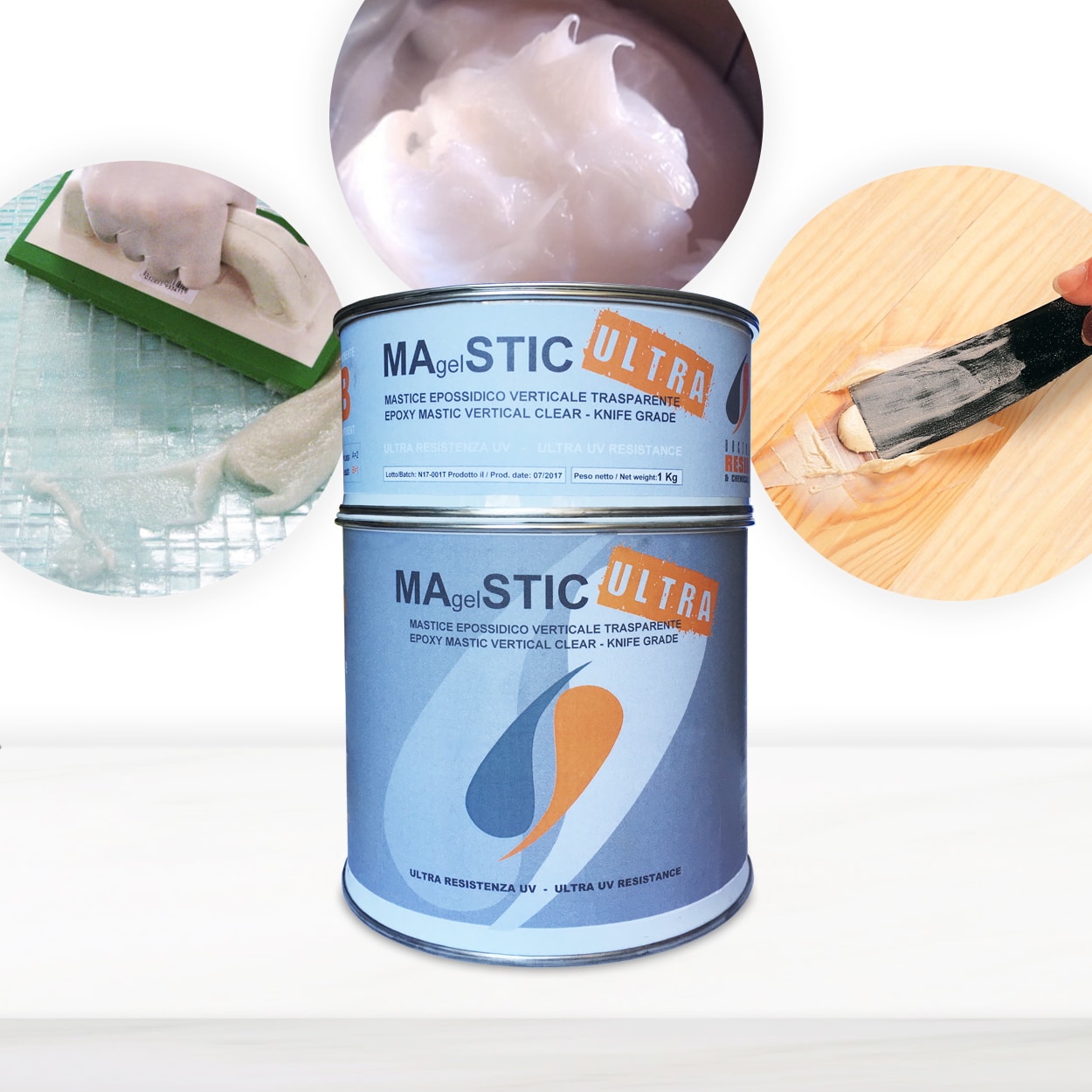
Epoxy putty is a versatile solution for bonding, repairing, and filling gaps on a variety of materials such as metal, stone, and cement. Its adaptability makes it a staple for both professionals and DIY enthusiasts tackling restoration or maintenance work.
Preparing the Surface for Strong Adhesion
Proper surface preparation is crucial. Begin by cleaning the target area to remove dust, grease, and loose particles. For best results, slightly roughen smooth surfaces—sandpaper works well on both metal and stone. This step increases the surface’s grip, helping the putty hold firmly.
Mixing and Applying Epoxy Putty
Accurately combine the two components as per the manufacturer’s instructions, ensuring a thorough and uniform mix. Once ready, press the putty firmly into the area you wish to bond or fill. Thanks to formulations like “Magelstick” Epoxy Mastic, you can tackle both horizontal and vertical surfaces without worrying about sagging. For even spreading, consider using a tooth-shaped spatula to achieve a smooth finish. Allow the recommended curing time before subjecting the repair to stress.
When This Matters Most
- Vertical applications: Thixotropic putty formulas prevent runs and keep repairs neat.
- Outdoor repairs: Putty with good UV and weather resistance is ideal for stonework and masonry exposed to the elements.
- Precision restoration: Small-batch mixing lets you make detailed fixes on heritage stone, metalwork, or cement features.
Related products
Related guides
Mastering the preparation and application of epoxy putty ensures lasting repairs across a range of surfaces. For step-by-step advice on other surfaces or advanced techniques, visit our main guide on how to apply epoxy putty.