 Free shipping on orders over £29,85
  Shipping Tracking!


 Google
 Facebook
How do you apply epoxy putty?
Epoxy putty is a versatile solution for repairing, bonding, and filling gaps in materials such as stone, metal, and cement. This guide will walk you through the correct process to ensure a long-lasting and professional result, whether you’re restoring a chipped paving slab, fixing a loose metal fitting, or handling a renovation on vertical surfaces.
Step-by-step guide for durable stone, metal, or cement restoration
What You’ll Need
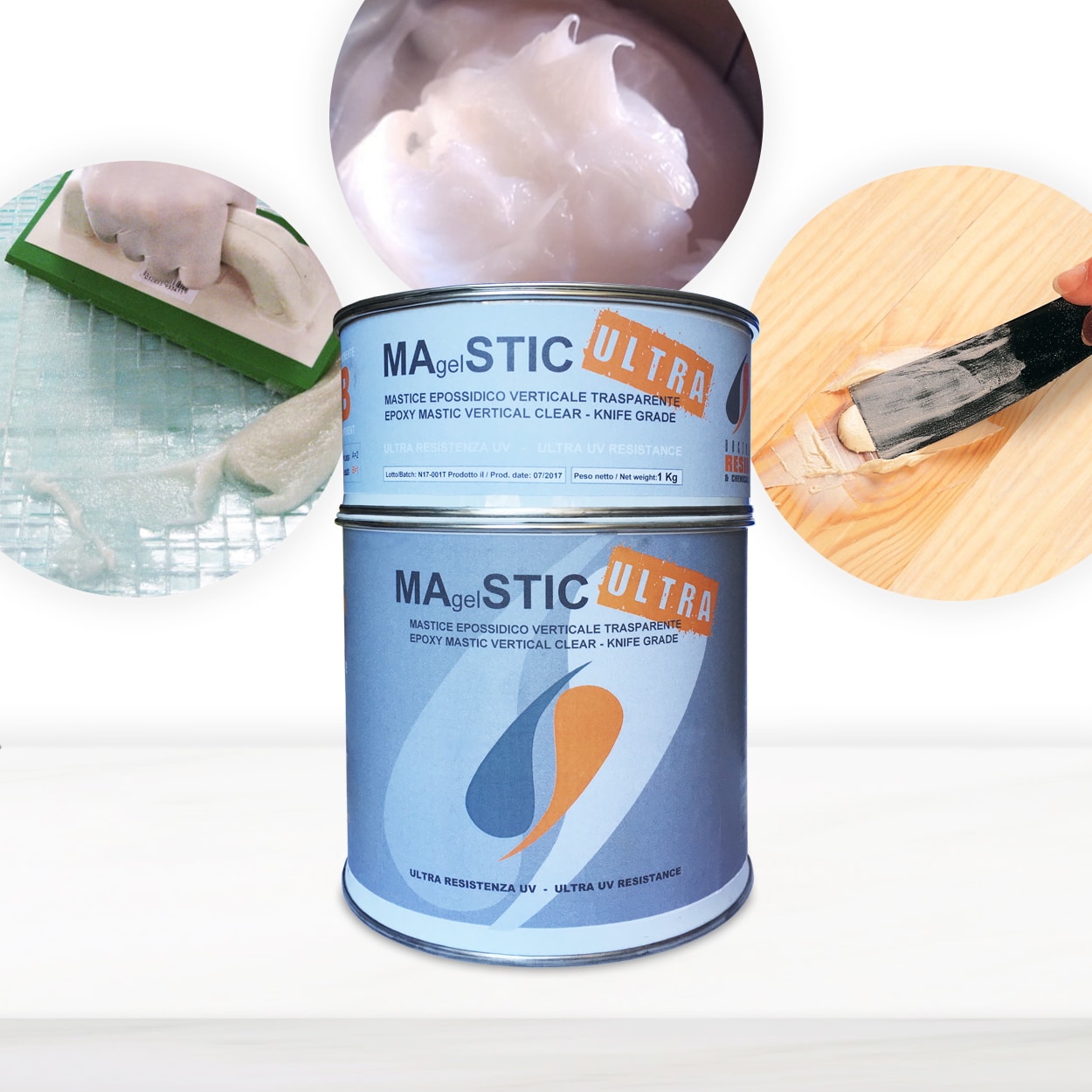
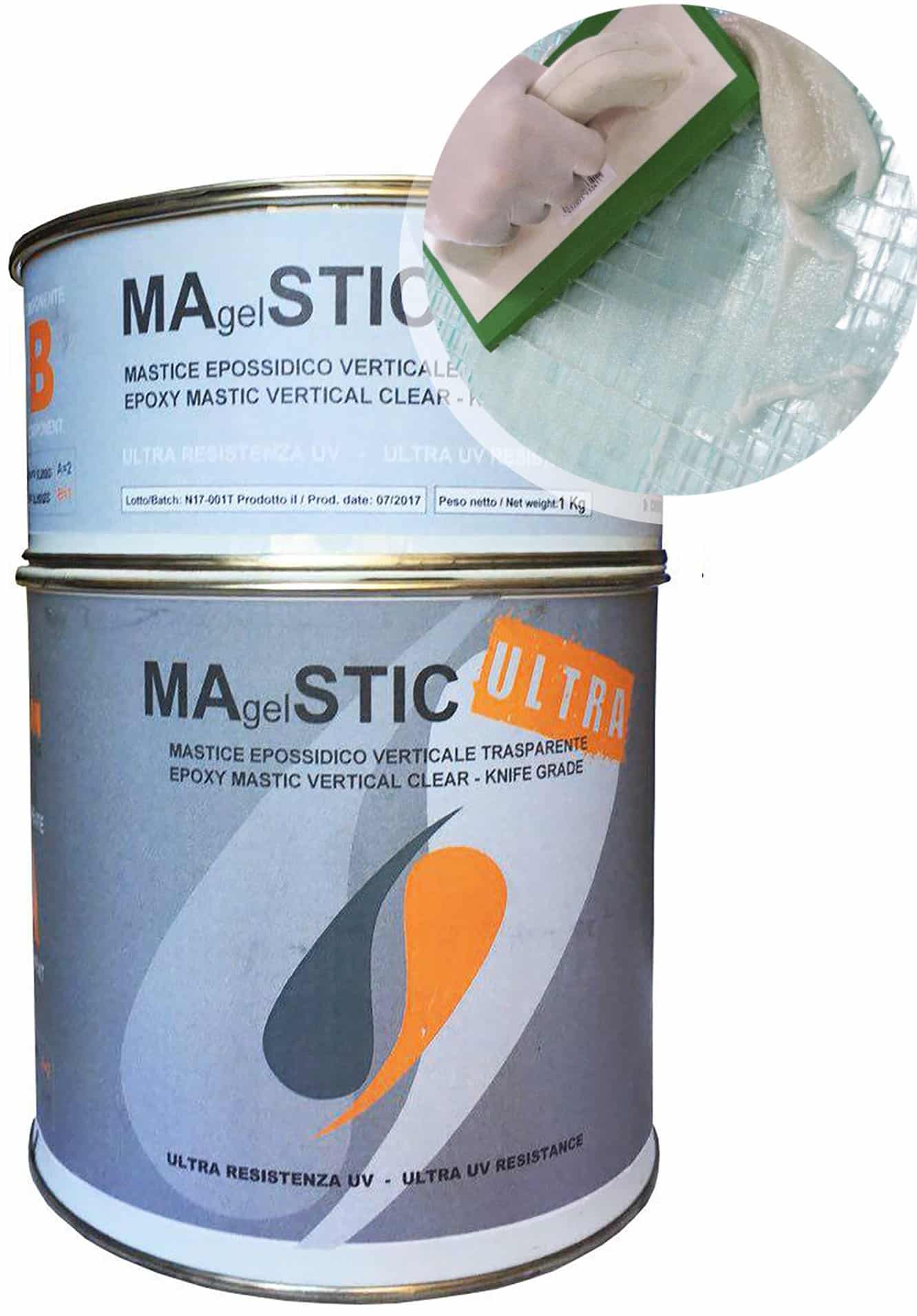
- “Magelstick” – Epoxy Mastic for Stone, Metal, and Cement Bonding and Grouting – Professional-grade bi-component putty for stone, metal, and cement applications
- Tooth Shaped Spatula for Epoxy Resin Application – For precise, smooth spreading and finishing
- Protective gloves and eye protection
- Fine sandpaper or wire brush
- Clean, lint-free cloth
- Mixing board or disposable surface
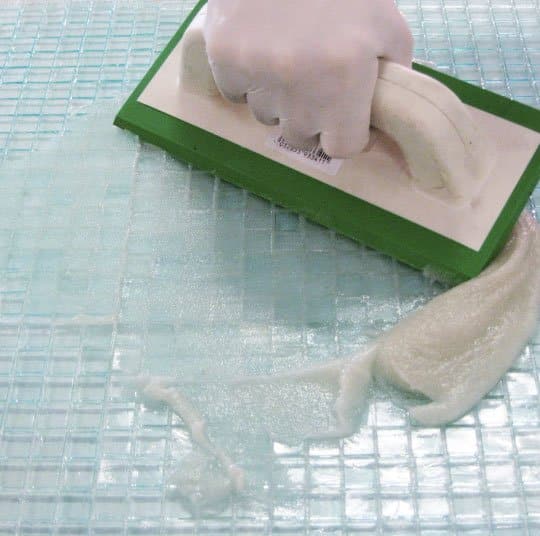
Visual Guide to Mixing and Application
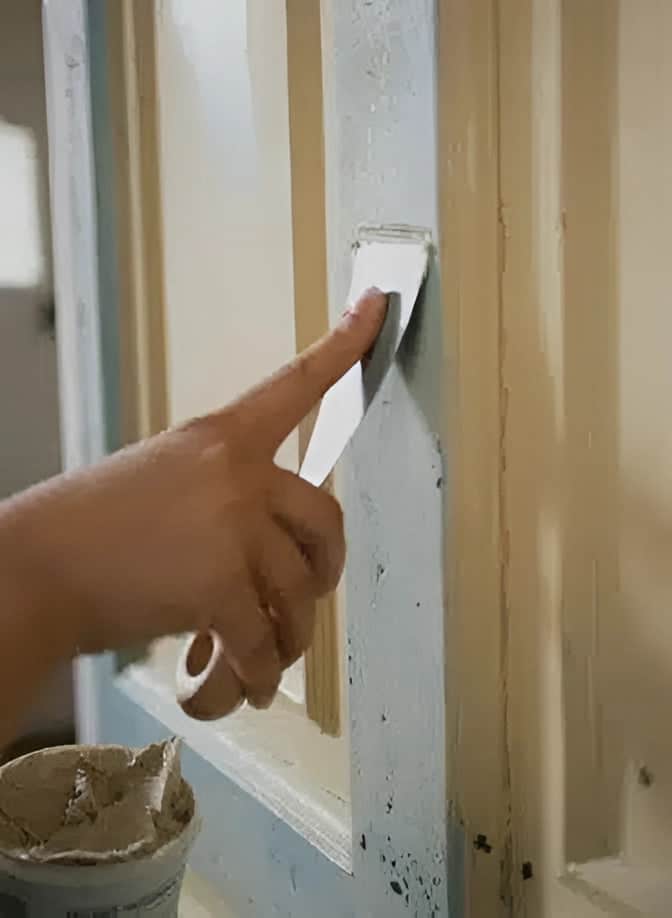
See how the two components of epoxy putty are measured, mixed, and applied using the appropriate technique. Notice the change in texture as proper blending is achieved, and observe the even spreading with a Tooth Shaped Spatula during the application on vertical or horizontal surfaces.
Step 1: Prepare the Surface Thoroughly
Thorough surface preparation is crucial to ensure the epoxy putty adheres effectively and provides lasting strength. Begin by cleaning the repair area of dust, dirt, grease, old adhesive, or loose debris. Use a fine sandpaper or wire brush to roughen smooth surfaces—this gives the putty extra grip. If needed, wipe the area with a clean, lint-free cloth slightly dampened (if safe for the material) and allow surfaces to dry fully before continuing.
Step 2: Measure and Mix the Epoxy Putty
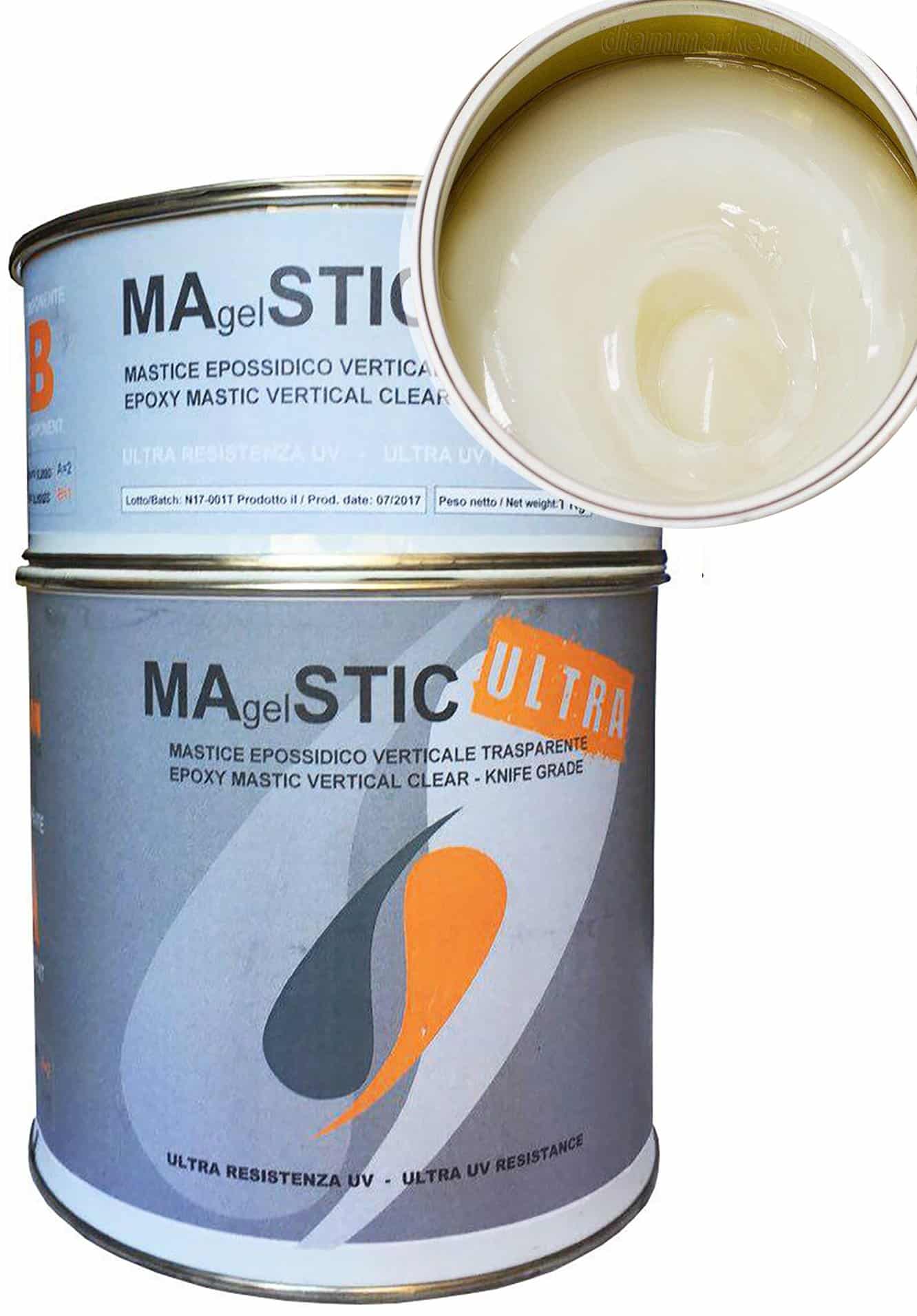
Epoxy putty is a bi-component system, meaning you must combine a resin base and a hardener in the correct ratio. For example, when using “Magelstick” – Epoxy Mastic for Stone, Metal, and Cement Bonding and Grouting, mix the two components according to the manufacturer’s guidance—commonly 100:50 by weight. Use a mixing board or disposable surface and work the two parts together thoroughly until the mixture is uniform in colour and texture.
Mix only what you can use in the working time to avoid waste and rushed application, as the putty will begin to harden after a set period (often several minutes).
Step 3: Apply the Epoxy Putty to the Area
Once mixed, work quickly but precisely to mould the putty into the gap, crack, or area requiring repair. Press the material firmly into place to ensure full contact, removing air pockets and excess. For shaping and achieving a neat finish—especially on edges or visible surfaces—a Tooth Shaped Spatula for Epoxy Resin Application is ideal. Its notched edge helps create a consistent, smooth surface.
For vertical projects or overhead repairs, the thixotropic nature of certain epoxy mastics prevents sagging and ensures the putty stays where applied.

Step 4: Shape, Finish, and Let Cure
Before the putty hardens fully, use your spatula or a gloved finger to smooth the surface to the desired contour. Some light taping around borders may help keep edges crisp. Remove any masking tape before the putty is fully set to avoid pulling fragments away.
Allow full curing for maximum strength—the exact time varies by product and temperature, but most jobs will require at least several hours before handling. For heavy-duty repairs, wait until completely set as directed before sanding or painting for best results.

Tips, Common Mistakes, and Troubleshooting
Always mix thoroughly to avoid weak spots, and don’t rush the curing process by applying heat unless the product explicitly allows for it. If you notice crumbling or tackiness after curing, the mixing ratio may have been off; scrape away and repeat with properly measured amounts. Avoid applying epoxy putty below 10°C, as low temperatures can significantly slow or prevent curing, especially for mastics designed for higher ambient conditions.
Expert Application Finishes
Examples of smoothed, gap-free finishes created with epoxy putty on stone and metal. Compare how the use of specialised tools provides a professional look and ensures strong, lasting repairs for both indoor and outdoor environments.
- "Magelstick" – Epoxy Mastic for Stone, Metal, and Cement Bonding and GroutingPrice range: £43.85 through £166.45"Magelstick" Epoxy Mastic is designed for precise bonding and repairing of stone, metal, and cement surfaces with good performance on vertical areas.
- "Klebfix" – Two-Component Fast Epoxy Glue 2K, 25g Syringe£22.85"Klebfix" offers professional-strength bonding with a transparent, two-component epoxy adhesive suitable for a range of materials.
 Tooth Shaped Spatula for Epoxy Resin Application£3.15The Tooth Shaped Spatula allows precise application of epoxy resin on varied surfaces for a smooth, even finish.
 "FixExpress" – Two-Component Epoxy Glue 500g£25.45"FixExpress" offers fast-setting, strong adhesive suitable for various materials, with a clean, customisable application.
Frequently Asked Questions
How do I apply epoxy putty to different surfaces?
Clean and roughen the surface, mix the putty properly, and press it firmly into place for reliable adhesion.
How much epoxy putty should I mix at a time?
Only mix the amount you can apply within the open working time, as the material will harden quickly once combined.
Can I sand or paint over epoxy putty?
Yes, once the putty is completely cured, it can be sanded smooth and painted as needed.
What if my epoxy putty won't cure?
Incorrect mixing ratios or low temperatures can cause curing issues. Remake the mix carefully and ensure optimal temperature.
Can epoxy putty be used on vertical surfaces?
Yes, thixotropic epoxy mastics are formulated to prevent sagging, making them ideal for vertical and overhead repairs.
How can I achieve a smooth finish with epoxy putty?
Shape before full cure using a spatula or gloved finger. Sand lightly once cured for a flawless surface.