 Free shipping on orders over £29,85
  Shipping Tracking!


 Google
 Facebook
← Back to How do you enamel a resin bathtub?

Achieving a smooth, professional enamel effect on a resin bathtub hinges on applying resin in thin, even layers. This approach helps prevent sags and drips, resulting in a glossy, durable finish that can revitalise your bath’s appearance.
Why Thin, Even Layers Matter
Applying resin too thickly on vertical or curved surfaces can cause it to flow or run before curing, marring the finish. Thin layers allow better control and adhesion, helping the resin self-level without pooling or sagging. Multiple thin coats build up depth and sheen, achieving a more resilient and aesthetically pleasing surface.


Application Tips for Flawless Results
- Preparation: Ensure your bathtub is dry, clean, and lightly abraded for improved adhesion.
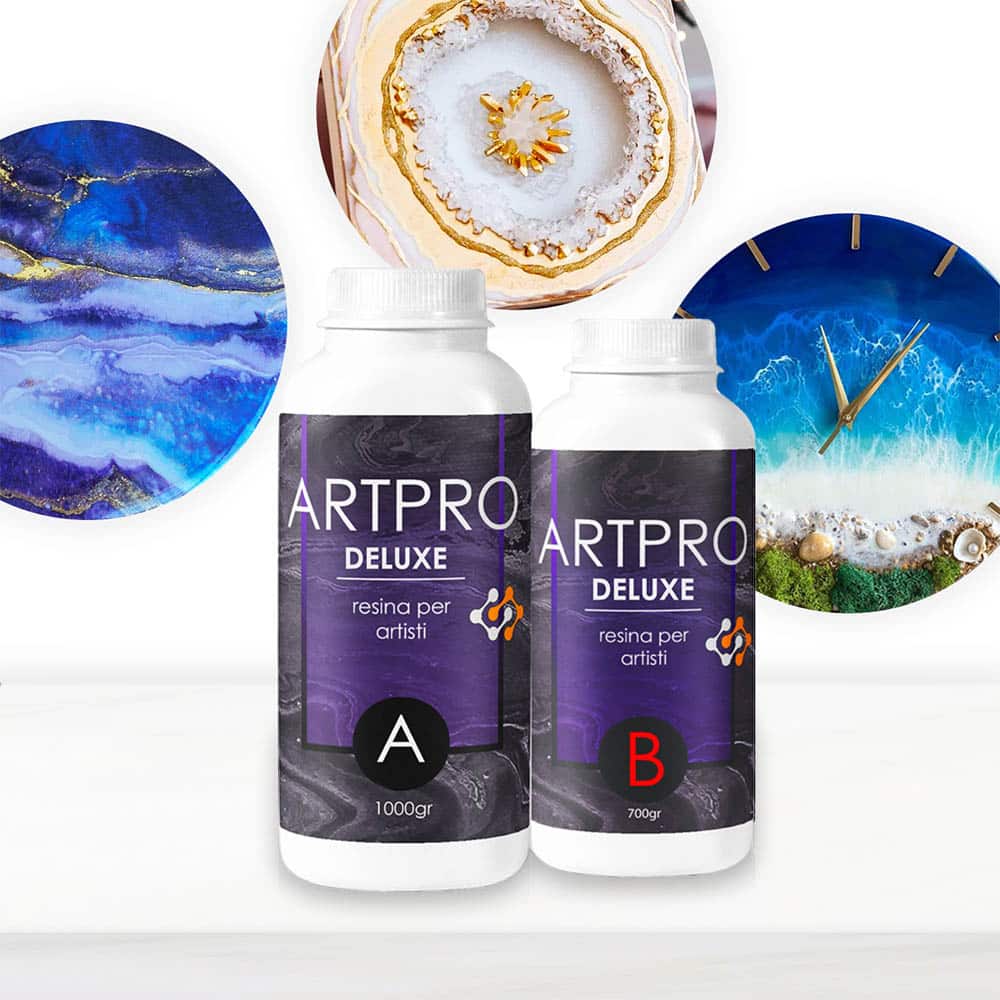
- Choose the right resin: Opt for an ultra-high or medium viscosity epoxy suitable for surface coating, such as the Art Pro Deluxe. These are less likely to drip or run, ideal for vertical applications.
- Use the correct tools: Apply with a soft brush or foam roller to spread the resin in a uniform, controlled manner.
- Layering: Allow each coat to cure as recommended before adding the next layer. This avoids disturbing semi-set resin and helps prevent flaws.
When Thin Layers Matter Most
This technique is especially important on formed surfaces like bathtubs, edges, or furniture panels—anywhere gravity can cause resin to migrate. Thin, even coats are crucial for consistent coverage and long-term durability.

Related products
Related guides
Applying resin in thin, even layers is the foundation of a beautiful, durable enamel finish—essential whether refinishing a resin bathtub or any decorative project. For more on selecting and using the right resins, see our complete bathtub enamelling guide.