 Free shipping on orders over £29,85
  Shipping Tracking!


 Google
 Facebook
How do you enamel a resin bathtub?
Step-by-step guide for a glossy, lasting resin bathtub finish

Giving your resin bathtub a fresh enamel coating can completely rejuvenate its appearance, leaving it glossy, smooth, and resistant to scratches and discolouration. Whether your tub has become stained, lost its shine, or you simply want to update its look, this expert guide will take you through every step—helping ensure a professional, long-lasting finish for years to come.

What You’ll Need
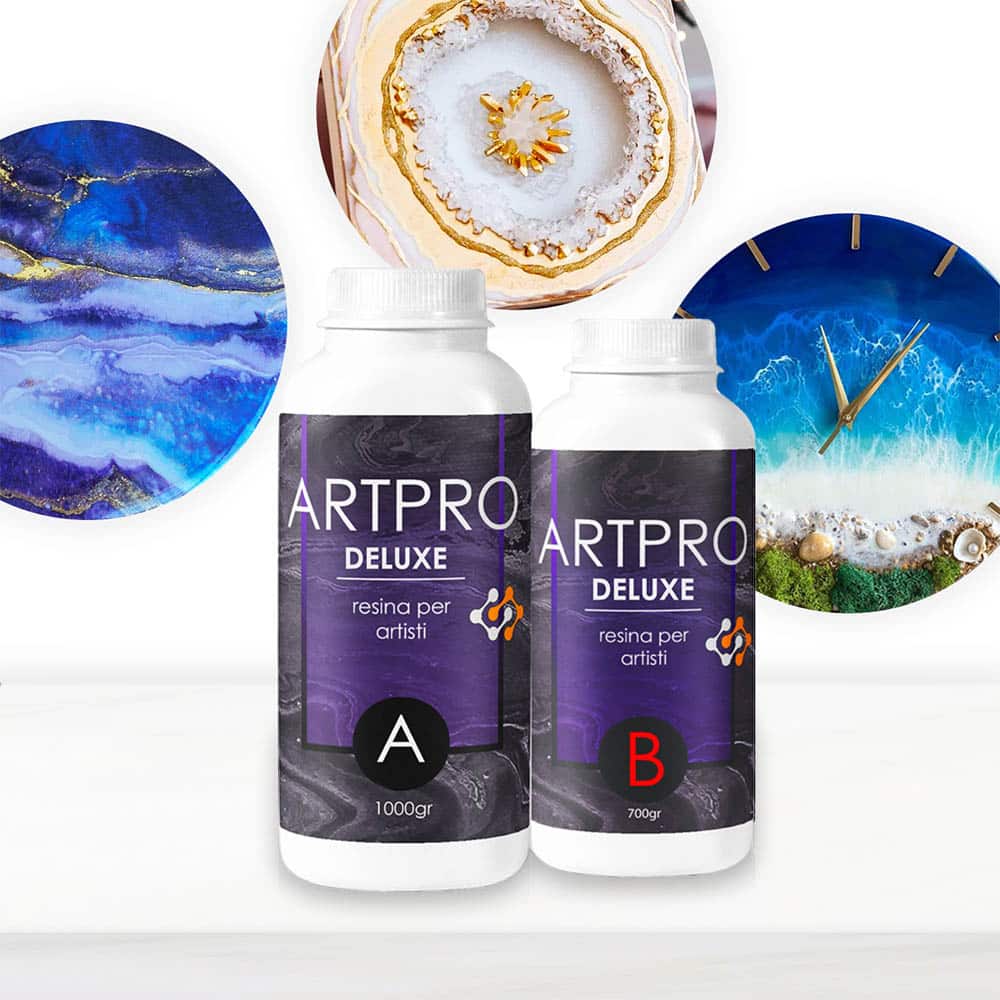
- “Art Pro Deluxe” – Ultra-High Viscosity Epoxy Resin for Artists: For ultra-glossy, scratch-resistant finishing layers and precise application.
- “Art Pro” – Clear Epoxy Resin for Artists and Surface Coating: Suitable for clear, even glass-like coats.
- “Trasparente” – Multipurpose Clear Epoxy Resin for Casting – Up to 2cm: Best for thick, self-levelling clear protection where permitted by shape.
- “Icrystal” – Clear Epoxy Resin – Odourless Formula – Up to 1.5cm: For odourless, easy-to-use clear coatings in smaller bathrooms or sensitive indoor spaces.
- Protective gloves, mask, and safety glasses
- Heavy-duty cleaner/degreaser
- Fine sandpaper (320–600 grit)
- Lint-free cloths and isopropyl alcohol
- Painters tape and poly sheeting for masking
- Small rollers or brushes (foam preferred)
- Mixing bucket and spatula/stick

See the Bathtub Refinishing Process in Action
Enamelling a resin bathtub is a transformative DIY project. Watch demonstrations or customer results for visual guidance and real-world tips. Seeing smooth, glossy surfaces restored is both satisfying and motivating as you plan your own refinishing project.
Step 1: Prepare and Clean the Bathtub Surface
Thorough surface cleaning is crucial before applying any resin. Remove all soap scum, oils, and mineral deposits using a heavy-duty, non-abrasive cleaner. Once clean, rinse the entire surface with warm water and dry it completely. Next, lightly sand the entire bathtub, including hard-to-reach joints, with fine sandpaper (320–600 grit) to remove gloss and create a good bonding surface. Make sure no areas remain shiny or slick.
After sanding, vacuum up dust, then wipe all areas with a lint-free cloth dampened with isopropyl alcohol, ensuring no residues remain. This will maximise resin adhesion and help prevent later peeling or flaking.

Step 2: Mask and Protect Surrounding Areas
Use painters tape to carefully mask off taps, drains, tile edges, and floors. Cover nearby surfaces with poly sheeting to protect against accidental drips or splatters. Creating a well-defined margin prevents the resin from running or bonding to unintended spots.
Ventilate well and wear gloves, eye protection, and a mask. Epoxy resins cure safely when used as directed, but proper PPE and airflow are essential, especially in bathroom settings.
Step 3: Mix and Apply the Epoxy Resin
Choose your resin according to the effect and application method you prefer. For high-gloss, ultra-smooth results with detailed control, “Art Pro Deluxe” – Ultra-High Viscosity Epoxy Resin for Artists offers excellent self-levelling and line definition. If you need a standard glass-like coating, “Art Pro” – Clear Epoxy Resin for Artists and Surface Coating is a popular choice. Ensure you follow the manufacturer’s recommended ratios and stir gently to avoid introducing bubbles.
Pour the mixed resin into a secondary clean container (the double-pot method), then gently apply using a foam roller or brush in thin, even layers. Work systematically to prevent runs, focusing on sides and corners. Self-levelling resins like “Icrystal” – Clear Epoxy Resin – Odourless Formula – Up to 1.5cm are ideal for sensitive indoor spaces thanks to their lack of odour and excellent clarity. Always check the product’s recommended layer thickness—over-applying can lead to dripping or heat build-up.
Apply resin in thin, even layers to avoid sagging or runs. Allow at least the specified cure time (usually 10–24 hours) before touching or applying additional coats.


Step 4: Cure, Inspect, and Recoat If Needed
After application, leave your bathroom well-ventilated and free from dust or moisture. Let the resin fully cure in accordance with the product guidance. Inspect carefully for any thin areas, bubbles, or imperfections. If a second coat is needed for extra gloss or durability, lightly sand the surface after the first layer cures, wipe clean with alcohol, and apply another thin layer as before.
Allow full cure time for a scratch-resistant, durable finish. Only reinstall fittings and open the bathtub to water exposure after the resin reaches complete hardness (usually up to 48 hours).
Tips, Common Mistakes, and Troubleshooting
Work in a dust-free, dry room with stable temperatures to reduce the risk of imperfections. Never rush curing—improper curing can cause dull patches or sticky spots. Don’t skip the sanding or degreasing, and always use fresh, clean stirrers and rollers for a flawless effect. For bathtubs with complex shapes, use an extra-high viscosity resin like “Art Pro Deluxe” – Ultra-High Viscosity Epoxy Resin for Artists for more control and reduced risk of sags.
If you encounter fisheyes (craters), re-clean and apply another thin coat after sanding. Small trapped bubbles can be removed with a heat gun held at a safe distance immediately after pouring, but avoid overheating the surface.

Before and After: Resin Bathtub Enamel Transformations
Visual comparisons of worn versus freshly enamelled bathtubs help set realistic expectations and inspire your own results. Notice how the right resin brings clarity, smoothness, and shine—proof of effective preparation and proper technique.

- "Art Pro Deluxe" – Ultra-High Viscosity Epoxy Resin for ArtistsPrice range: £35.95 through £302.45"Art Pro Deluxe" is designed for artists needing precise control with an ultra-high viscosity epoxy resin that creates clear, scratch-resistant…
- "Art Pro" – Clear Epoxy Resin for Artists and Surface CoatingPrice range: £19.95 through £267.95Art Pro is a clear epoxy resin designed for artists and DIY enthusiasts, suitable for glass-like coatings and decorative projects.
 "Trasparente" – Multipurpose Clear Epoxy Resin for Casting – Up to 2cmPrice range: £8.95 through £397.95"Trasparente" offers a clear, self-levelling finish up to 2cm thick, suitable for woodworking and art in the theme: How do you enamel a resin bathtub?
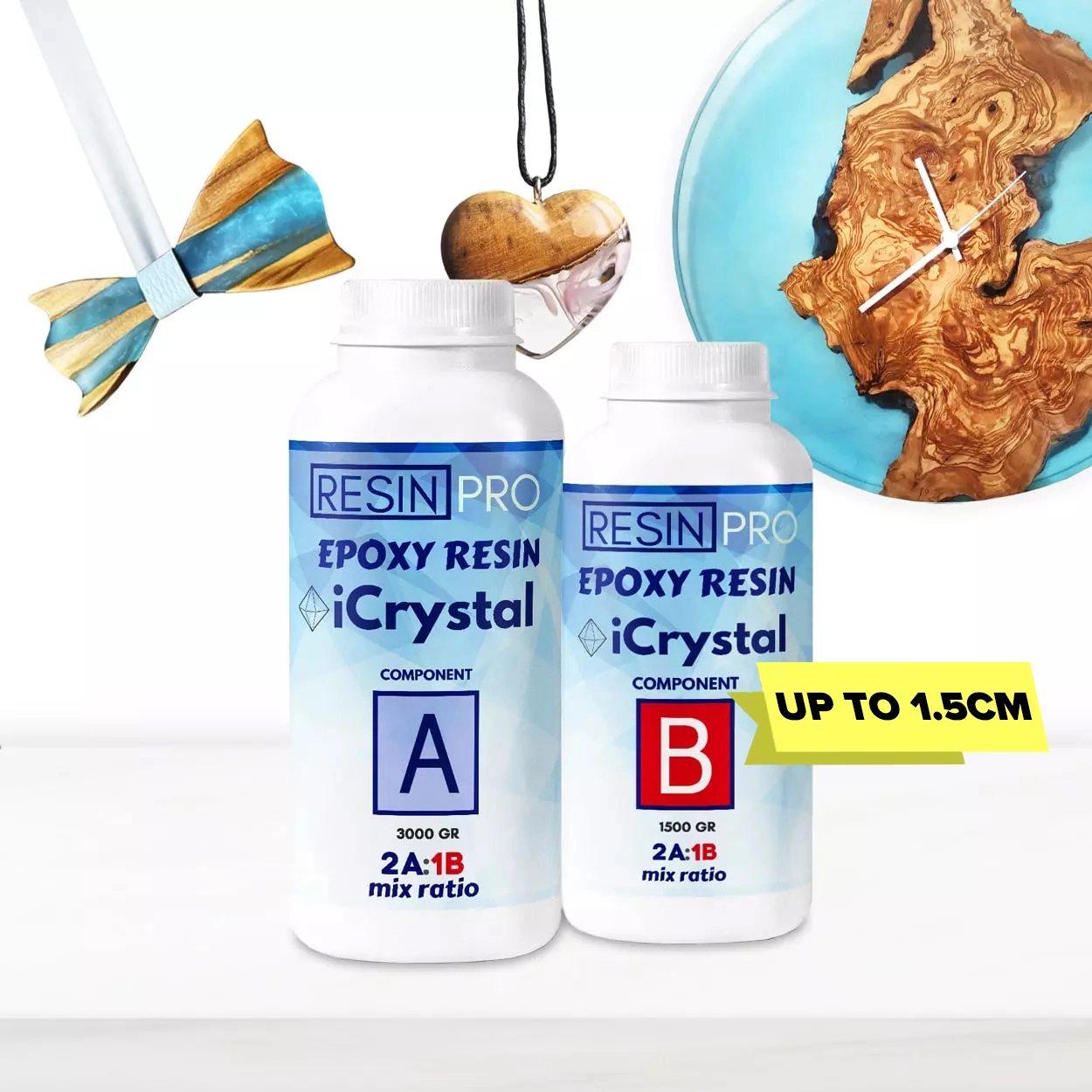 "Icrystal" – Clear Epoxy Resin – Odourless Formula – Up to 1.5cmPrice range: £12.45 through £341.45"Icrystal" clear epoxy resin offers high transparency and scratch resistance, suitable for tables and surface coatings.
Frequently Asked Questions
Can I use epoxy resin to recoat my bathtub?
Yes, clear epoxy resin is well-suited for recoating resin bathtubs, offering a durable, glossy finish when applied correctly.
How can I ensure epoxy resin adheres well to my bathtub?
Thoroughly clean, degrease, and sand the tub surface before applying resin to maximise adhesion and prevent later peeling.
Is it important to ventilate the bathroom during resin application?
Yes, always ventilate the room and use personal protective equipment for safety when working with epoxy resins indoors.
Can resin be tinted for coloured bathtub enamel?
Many epoxy resins can be tinted with approved pigments—always ensure full compatibility to avoid finish issues.
How many coats of resin should I apply to a bathtub?
Often one or two thin, even coats are enough. Allow full curing between coats for the best durability and gloss.
How do I prevent bubbles when applying resin?
Mix resin slowly to avoid bubbles, use a secondary container, and apply a heat gun if needed after pouring.
What should I do if the resin surface is cloudy or dull after curing?
This is often caused by moisture or contamination. Lightly sand and recoat after cleaning the surface for a gloss finish.