 Free shipping on orders over £29,85
  Shipping Tracking!


 Google
 Facebook
← Back to What medications are taken for those allergic to epoxy resin?
Whether for crafting, household use, or food-contact surfaces, clear and food-safe epoxy resins are frequently marketed for safety. But can people with allergies rely on them to be hypoallergenic?
No Resin Is Completely Hypoallergenic
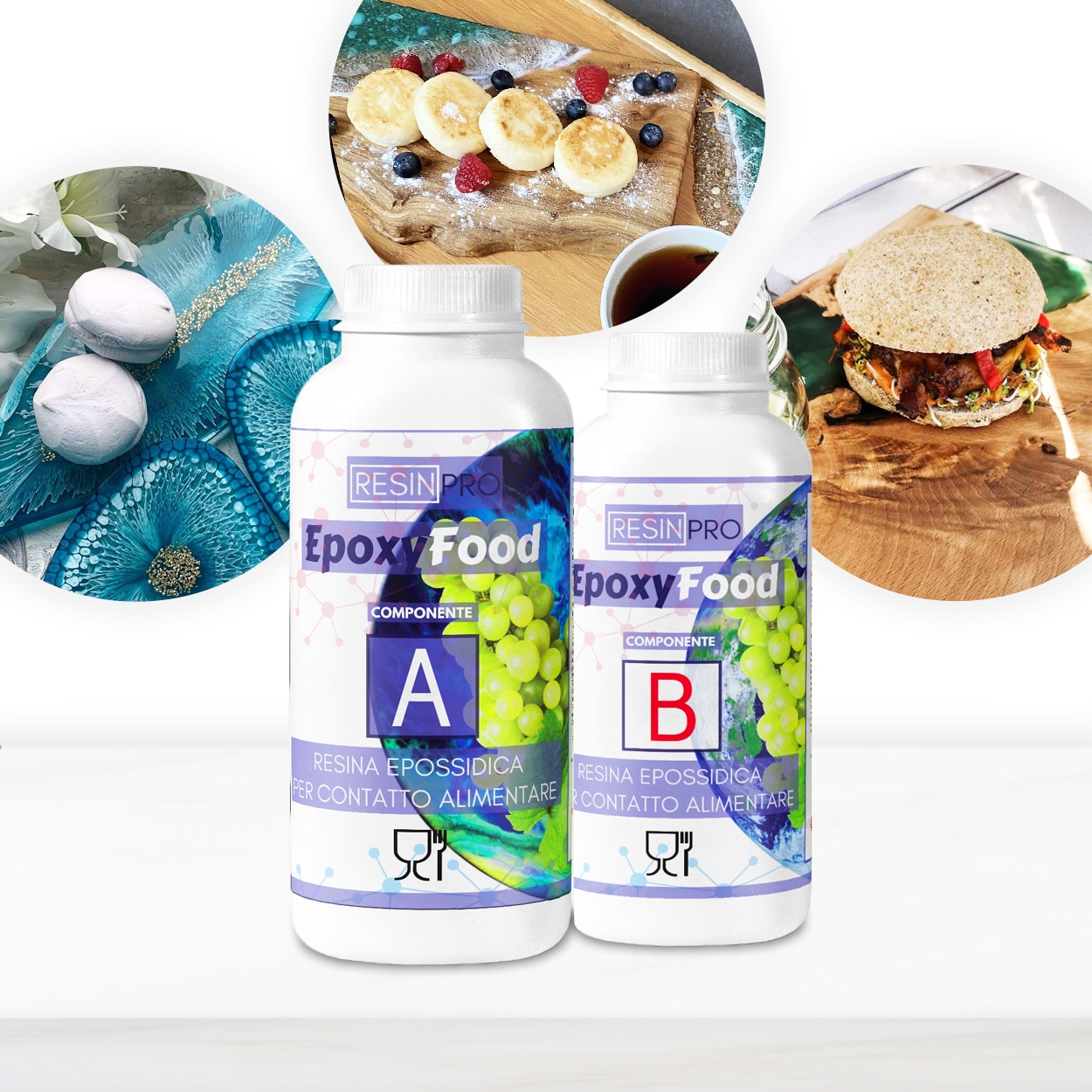
While food-safe and clear epoxies undergo rigorous screening to minimise toxicity and odours, no commercially available resin can be guaranteed free of allergenic reactions for everyone. Even products certified as safe, such as EpoxyFood, are non-toxic and odourless, but individual sensitivities vary greatly. Allergic responses are influenced by genetics, level of exposure, and prior sensitisation.
Safer Choices and Best Practices
If you have sensitive skin or a history of allergies, it’s wise to select resins that are independently tested, non-toxic, and solvent-free wherever possible. For example, the Icrystal odourless epoxy offers a clear finish with reduced irritation risk. Regardless of product claims, always wear gloves and, if possible, a mask to avoid skin contact or inhalation. Testing a small spot before full use is also recommended to check for any personal reaction.
When This Matters
This concern is particularly important for artists, crafters, and anyone creating kitchenware like plates, cups, or chopping boards with epoxy. If you, or those using finished items, have a known allergy to resins or similar chemicals, extra caution is needed even with food-safe epoxies.
Related products
Related guides
Choosing certified, low-irritation epoxy resins and using protective measures can help reduce risks, but complete hypoallergenicity cannot be assured. For more insights on managing epoxy allergies and safer material choices, see our main FAQ on allergy and epoxy resin guidance.