 Free shipping on orders over £29,85
  Shipping Tracking!


 Google
 Facebook
← Back to How to Build a Permeable Driveway in the UK
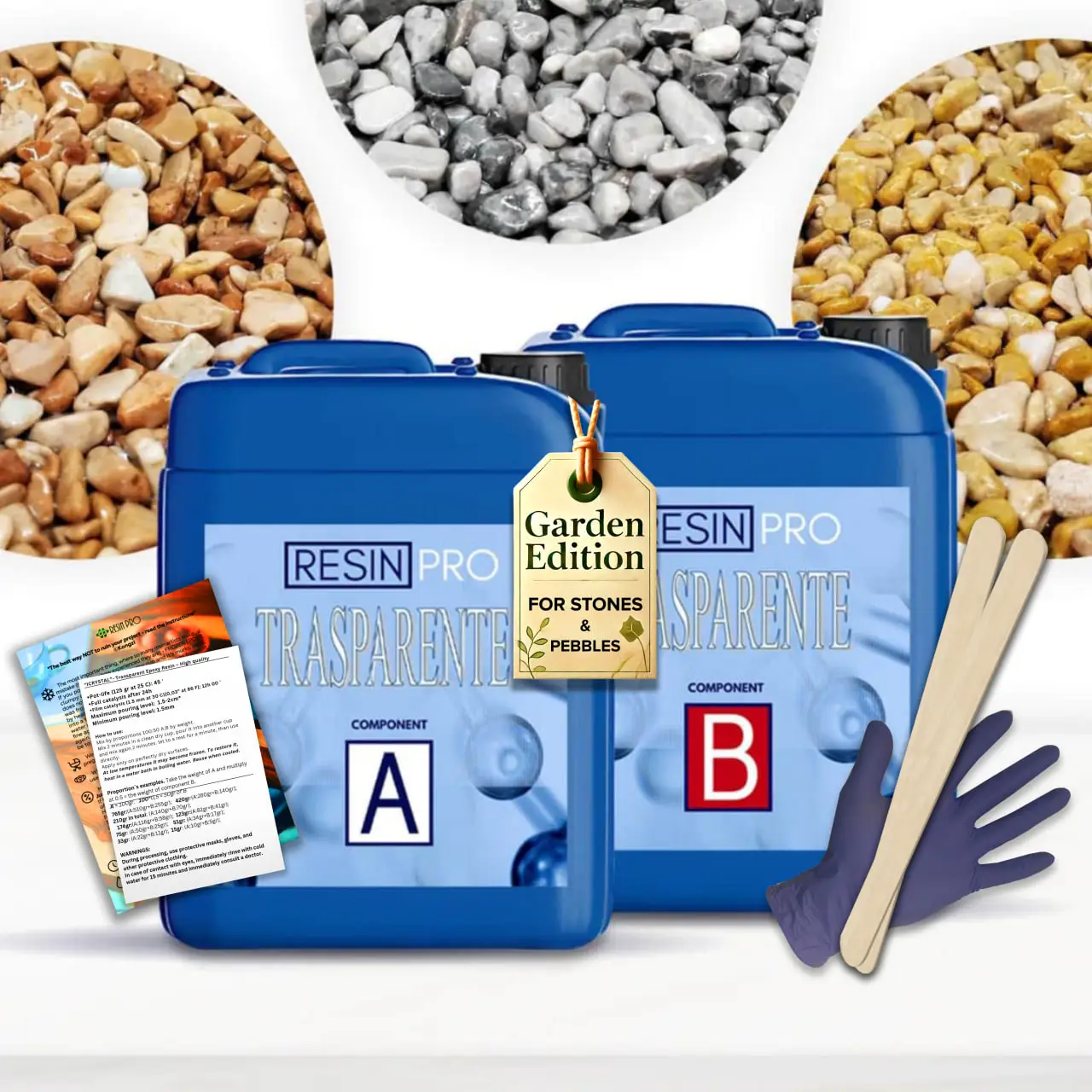
If you’re considering a DIY permeable driveway or decorative resin-bound surface, you may wonder whether epoxy binders are safe to use at home. Here’s what to know about epoxy binder safety and best practices for outdoor settings.
Epoxy Binders: Safety at Home
Epoxy binders, such as the “Trasparente” epoxy binder, are commonly used for resin-bound outdoor flooring projects. Once fully cured, these binders are certified non-toxic and safe even for skin contact, making them suitable for both DIY and professional use in external applications like driveways and garden paths. Curing transforms the liquid resin into a solid surface that is inert and stable.
Installation Tips and Safe Handling
While uncured epoxy resins should be handled with care—using gloves, working in well-ventilated areas, and following manufacturer’s mixing instructions—they become safe after complete curing. For projects using coloured stones or pebbles, mix the epoxy thoroughly with aggregates rather than pouring resin directly on top, as this ensures proper encapsulation and long-term safety. Detailed instructions are included in the Flowstone permeable driveway kit for best results.
When Safe Use Really Matters
Using certified non-toxic epoxy binders is especially important for driveways, patios, or pathways where children or pets may play, and when environmental impact is a concern. Always let the resin cure completely before regular use to ensure optimal safety and durability.
Related products
Related guides
Choosing safe, properly certified epoxy binders gives peace of mind for both DIY and professional driveway projects. For more comprehensive guidance on building a permeable driveway, explore our main resource: How to Build a Permeable Driveway in the UK.