 Free shipping on orders over £29,85
  Shipping Tracking!


 Google
 Facebook
← Back to How much resin is needed to cover a 3×3 bathroom?
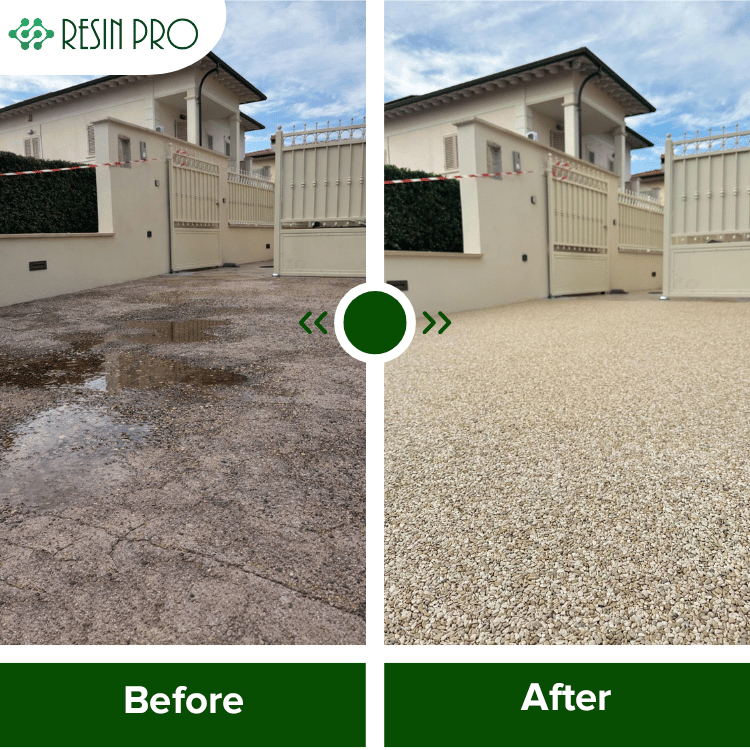
Epoxy resin flooring is popular for its seamless appearance and hard-wearing surface, making it a tempting option for modern bathrooms. However, concerns about slipperiness—particularly when wet—should be considered before making a choice.
Smooth, Glossy Epoxy Finishes and Slipperiness
Glossy epoxy creates a smooth, reflective surface that can become slippery when water or soap is present—common scenarios in bathrooms. Although the look is sleek and easy to clean, high-gloss finishes without texture increase the risk of slips after showering or bathing, especially in busy family households or for anyone with mobility concerns.
How to Improve Safety: Slip-Resistant Options
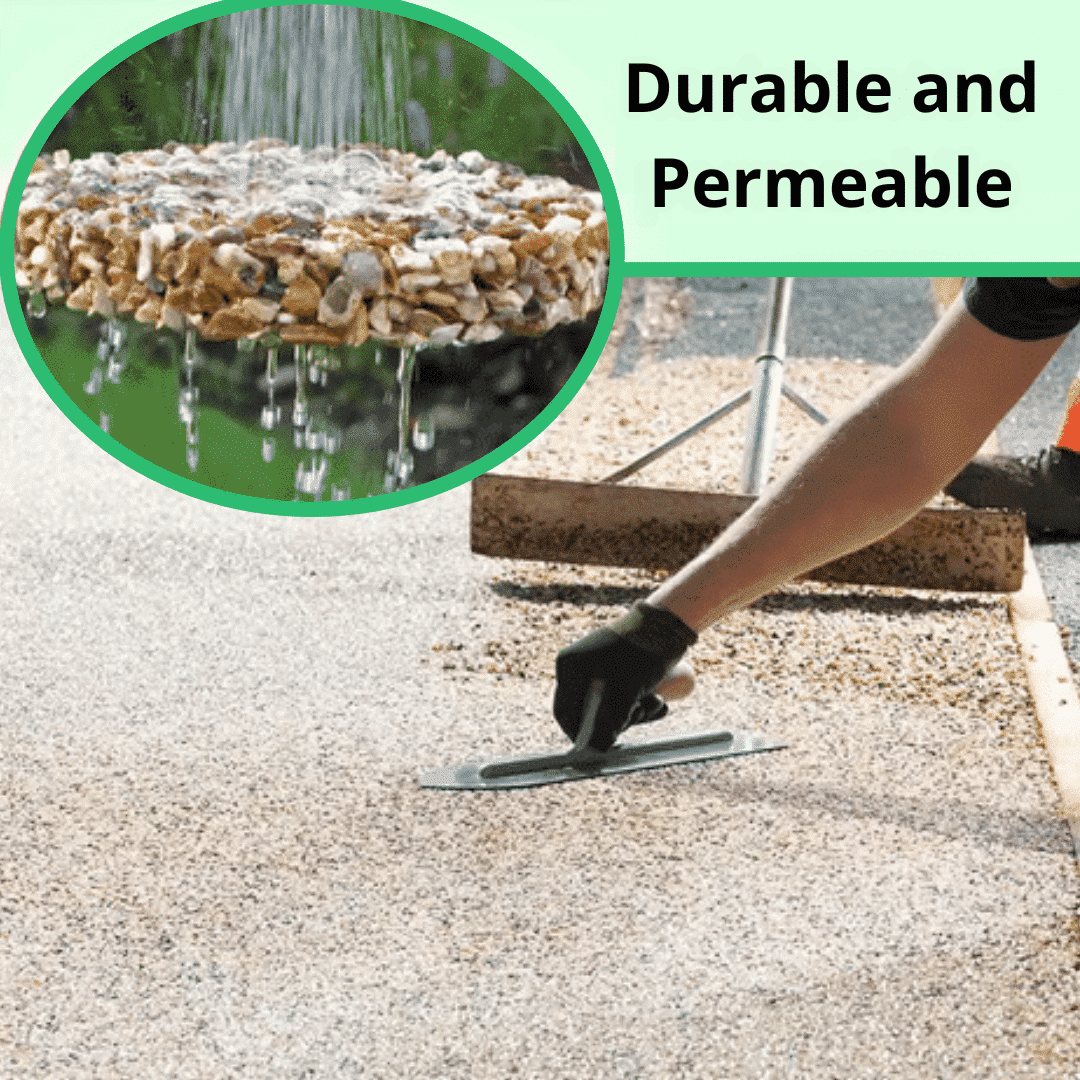
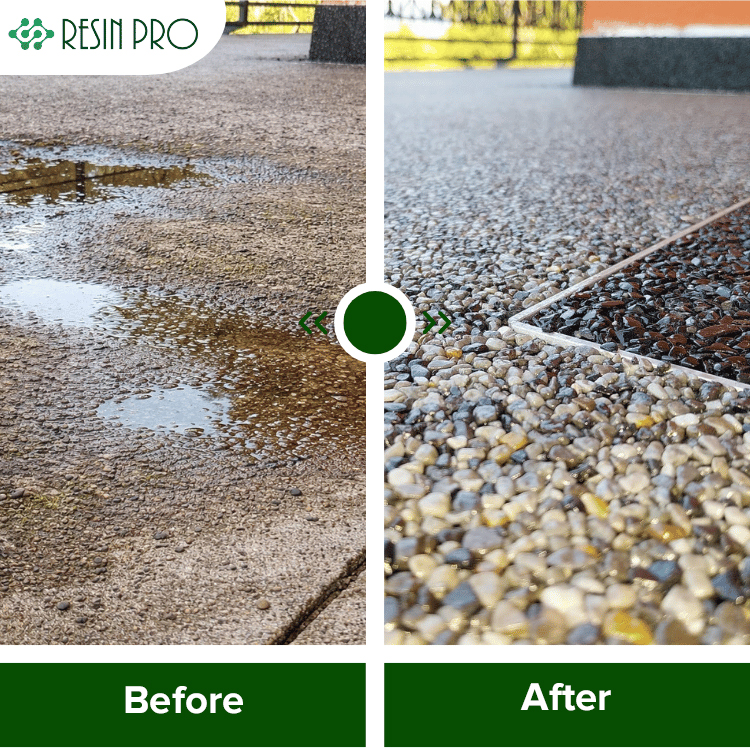
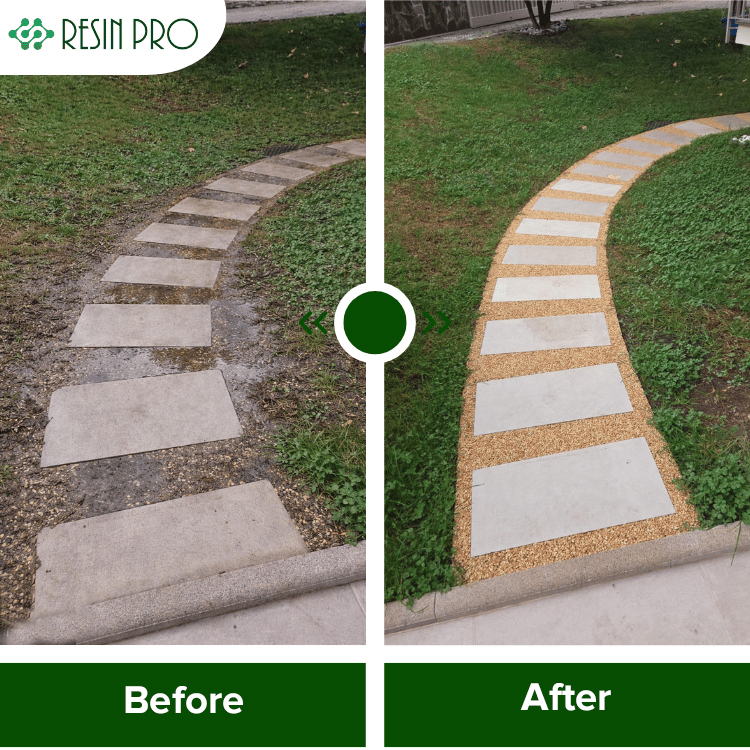
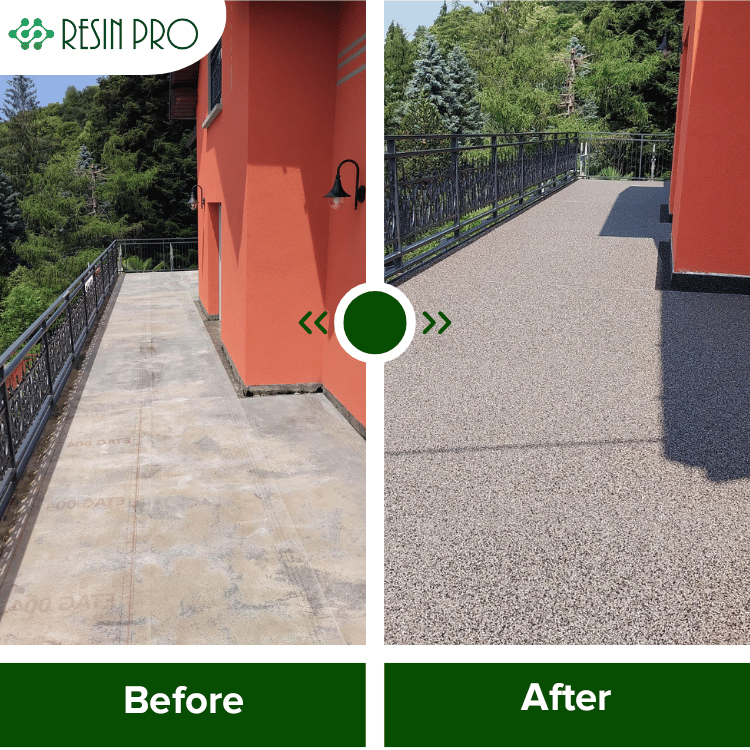
If you want the benefits of resin flooring but with improved safety, ask for slip-resistant additives that create a textured finish. These can be incorporated into epoxy topcoats to help reduce slip hazards. Another effective choice is a pebble-resin system, which uses decorative granules bound in resin to provide a naturally grippy, permeable surface. These systems help drainage and naturally offer more traction underfoot.
When Slip Resistance Matters in Bathrooms
- Homes with young children, elderly, or those with mobility needs benefit most from textured or non-slip resin surfaces.
- Bathrooms exposed to splashing, condensation, or regular wet use should prioritise safety treatments over pure aesthetics.
Related products
Related guides
While epoxy resin flooring is stylish and robust for bathrooms, factoring in slip resistance ensures safety and comfort for everyday use. To learn how much resin you’ll need for your space and further practical tips, visit our main guide on resin coverage for bathrooms.