 Free shipping on orders over £29,85
  Shipping Tracking!


 Google
 Facebook
← Back to Who sells Infinity Indoor resin?
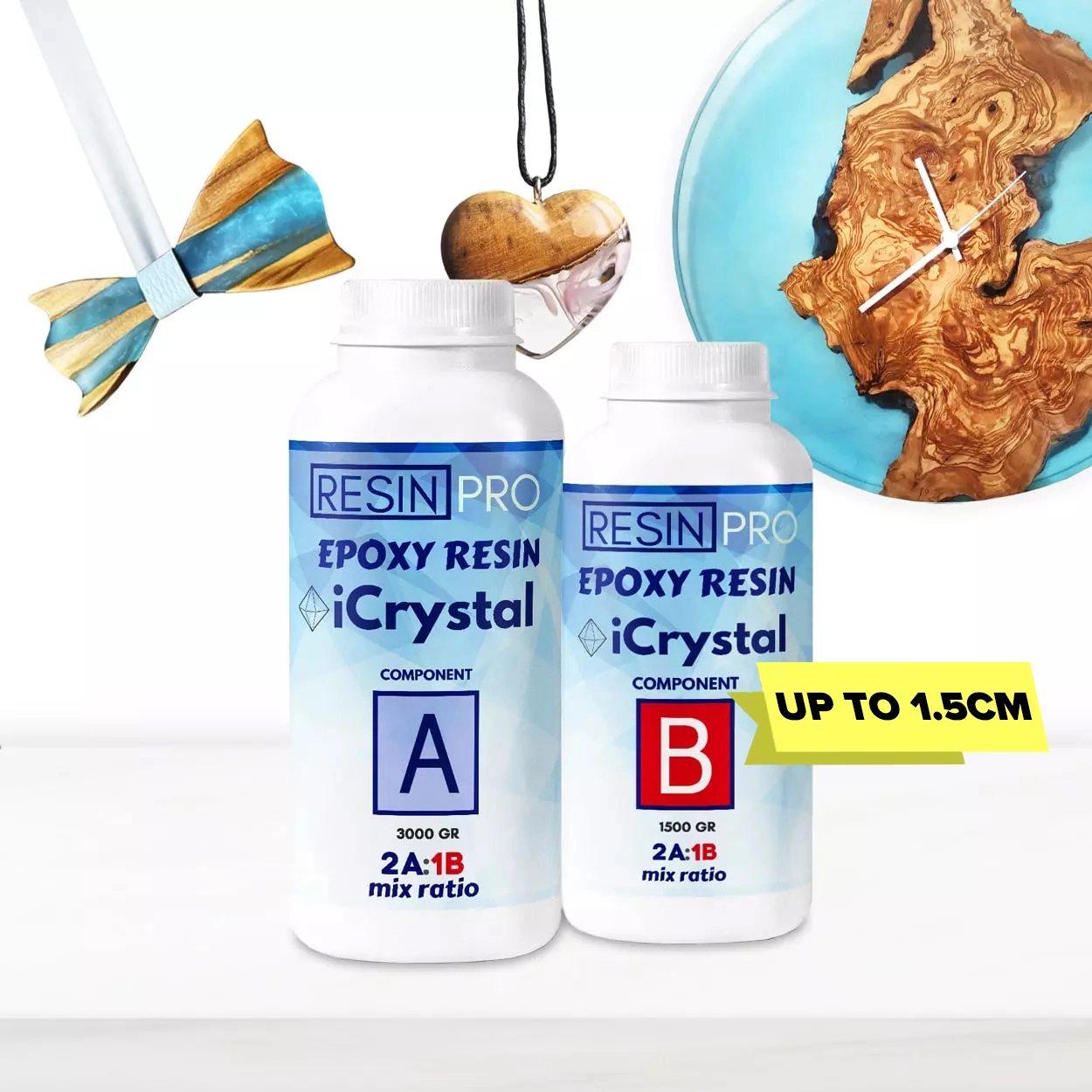
If you’re considering using indoor resin for crafting or DIY projects, it’s important to understand whether these materials can be used for items meant to touch food. Here’s a guide to help clarify what’s safe and what isn’t.
Understanding Resin and Food Contact
Most indoor resins, such as epoxy and UV resins, are developed specifically for decorative, artistic, or surface-coating purposes. These products do not carry certification for direct or prolonged contact with food or drink. While some resins boast properties such as being odourless or non-toxic after curing, this does not make them suitable or approved for food-contact applications like plates, chopping boards, mugs, or servingware.
Safe Use Tips for Creative Makers
If your project might come into contact with food (even briefly), it’s best to avoid using standard indoor resins on those surfaces. For coasters, trays, or decorative pieces where incidental food contact could happen, always check if the product clearly states suitability for food contact—most do not. Keep food-contact surfaces strictly separated from resined areas, and when in doubt, opt for glass, ceramics, or products specifically designed and certified for such uses.
When This Matters Most
- When making gifts or products intended for serving food.
- If selling items that may be used in kitchens or dining areas.
- For any scenario where users might assume the item is safe for food.
Related products
Related guides
For artistic or decorative projects, indoor resins like those featured in our Infinity Indoor resin collection offer versatility and creativity, but should not be used for items that are in direct contact with food. Always prioritise safety and the intended use when choosing your crafting materials.