 Free shipping on orders over £29,85
  Shipping Tracking!


 Google
 Facebook
← Back to What are polyurethane resins?
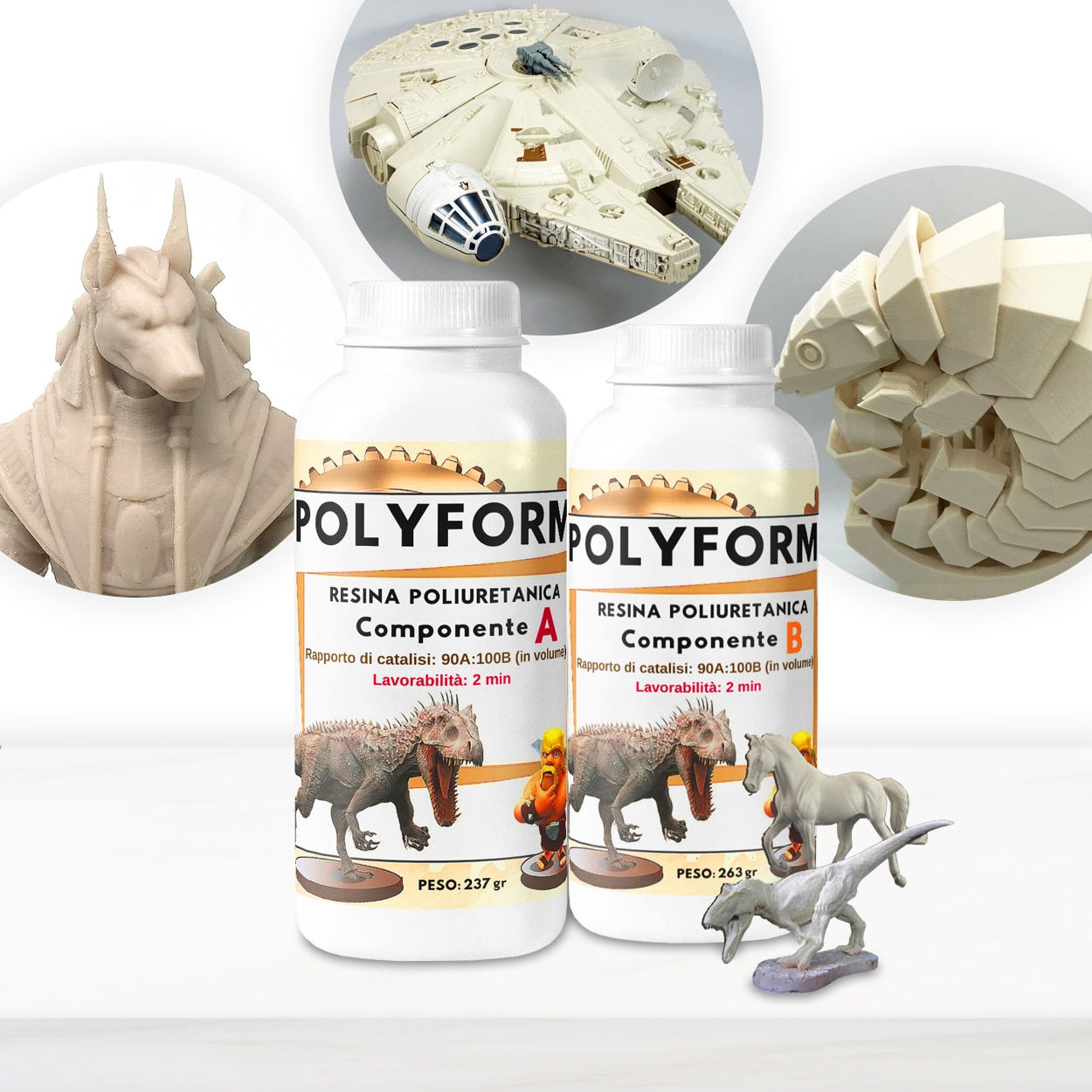
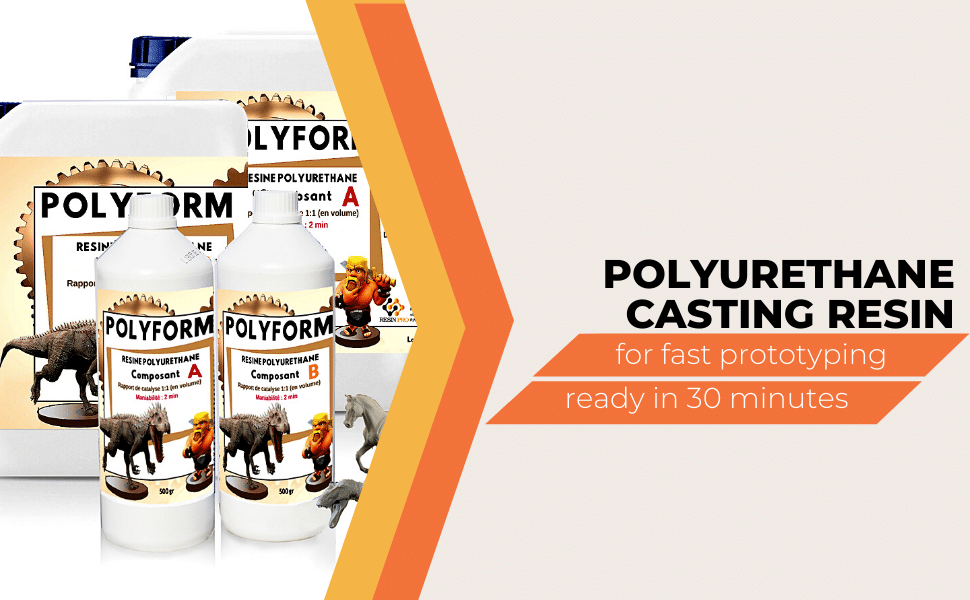
Polyurethane resins are a versatile class of materials that can be formulated to produce products ranging from hard castings to soft, flexible finishes. The adaptability of these resins makes them valuable across a broad range of industries and craft applications.
How Formulation Affects Flexibility
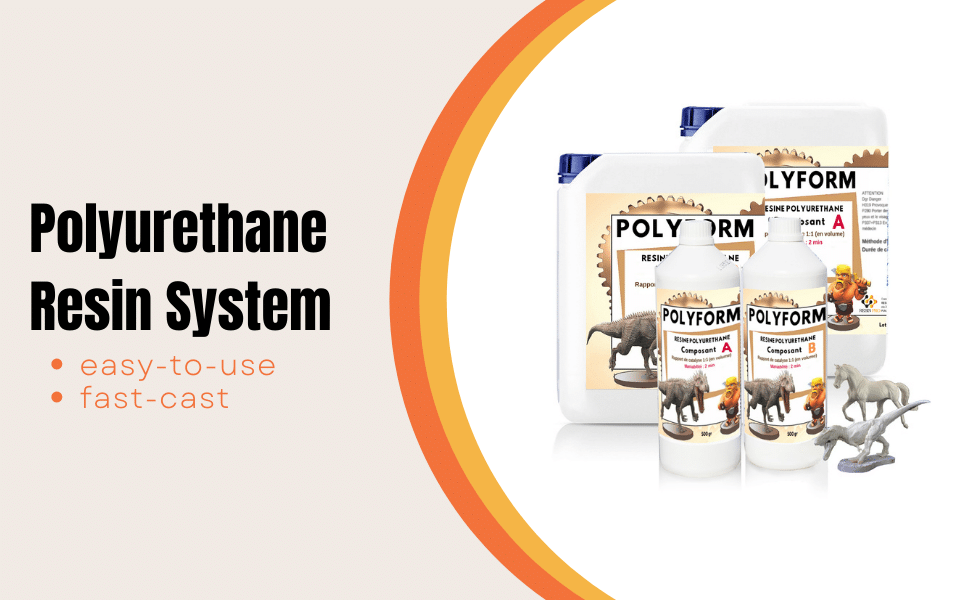
The key to the performance of polyurethane resins lies in the formulation. By altering the balance of chemical components, manufacturers can create rigid systems ideal for durable items, or highly flexible variants for applications requiring bending and impact absorption. For example, products like Polyform Polyurethane Casting Resin are designed to set into a firm, impact-resistant finish, making them suitable for model prototyping and robust casting jobs.
Typical Uses for Flexible vs Rigid Polyurethanes
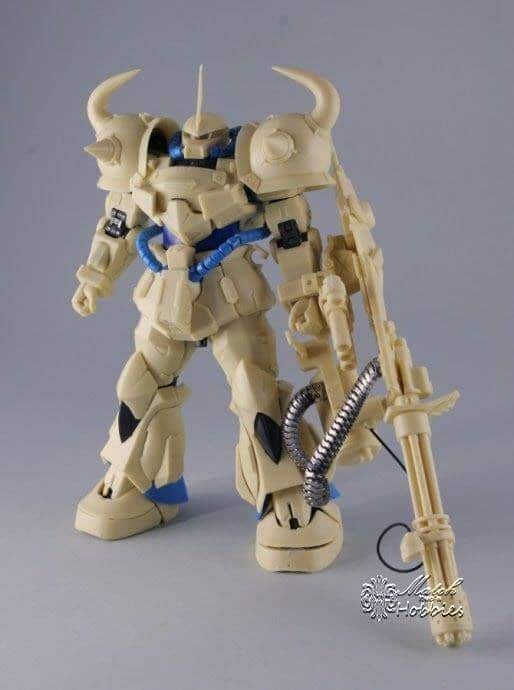
- Rigid polyurethanes are often used for model making, structural prototypes, and small-batch production of mechanical parts, where strength and shape retention are vital.
- Flexible polyurethanes shine in coatings, doming resins for badges or labels, and protective finishes on curved or moving surfaces. For example, Be Flex Doming Resin delivers a glossy, scratch-resistant layer that withstands light bending without cracking.
- Surface coatings such as Prolux PU Coating exemplify how polyurethane resins can also be engineered for toughness and weather resistance while offering some degree of flexibility under pressure.
Practical Tips for Choosing the Right Resin
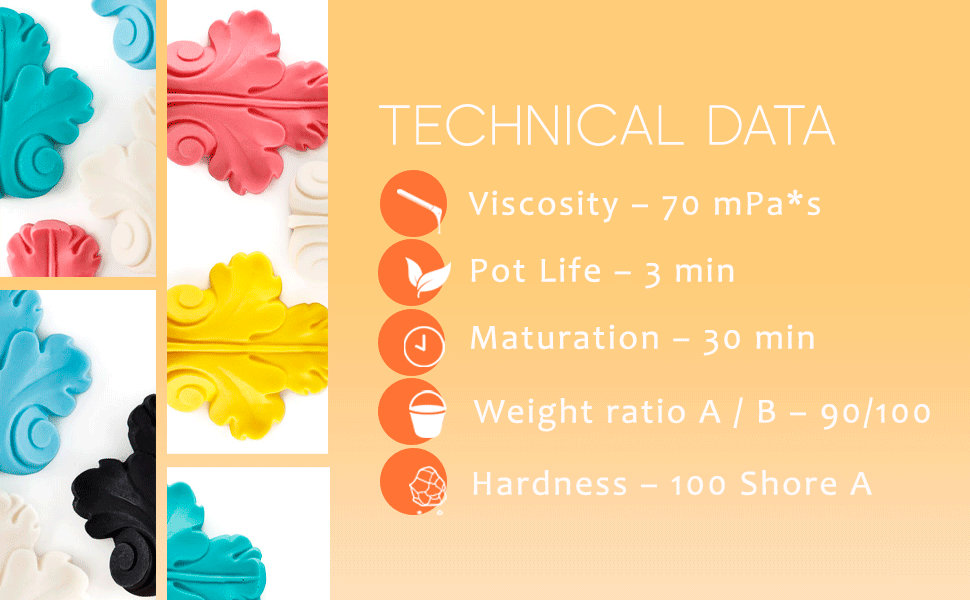
When selecting a polyurethane resin, begin by considering the end use: do you require a product that will flex, or one that must stay rigid under load? Carefully review each product description for indications such as ‘Shore hardness’ (which reflects rigidity) and intended applications, whether for doming, casting, or heavy-duty coatings.
Always follow the manufacturer’s mixing instructions for the best results, and avoid using rigid types where flexibility is required, or vice versa, to prevent failures such as cracking or excess wear.
When Does It Matter Whether a Resin Is Flexible or Rigid?
The distinction matters most when the final piece will experience stress, bending, or exposure to impact. Flexible polyurethanes are crucial for items like wearable accessories or outdoor stickers, while rigid formulations lend lasting structure to parts and models.
Related products
Related guides
Understanding the difference between flexible and rigid polyurethane resins helps ensure you select the right material for each project. To explore more about polyurethane resins and their uses, visit our main guide on what are polyurethane resins.