 Free shipping on orders over £29,85
  Shipping Tracking!


 Google
 Facebook
How do you keep epoxy resin from sticking to the mold?
Expert techniques for easy demoulding and smooth resin finishes
One of the most common challenges in resin casting is ensuring your finished piece releases cleanly from the mould without sticking, tearing, or leaving messy residues. Whether you’re pouring for art, jewellery, or larger items like river tables, knowing how to prevent epoxy from bonding with the mould is essential for perfect results and hassle-free demoulding.
What You’ll Need
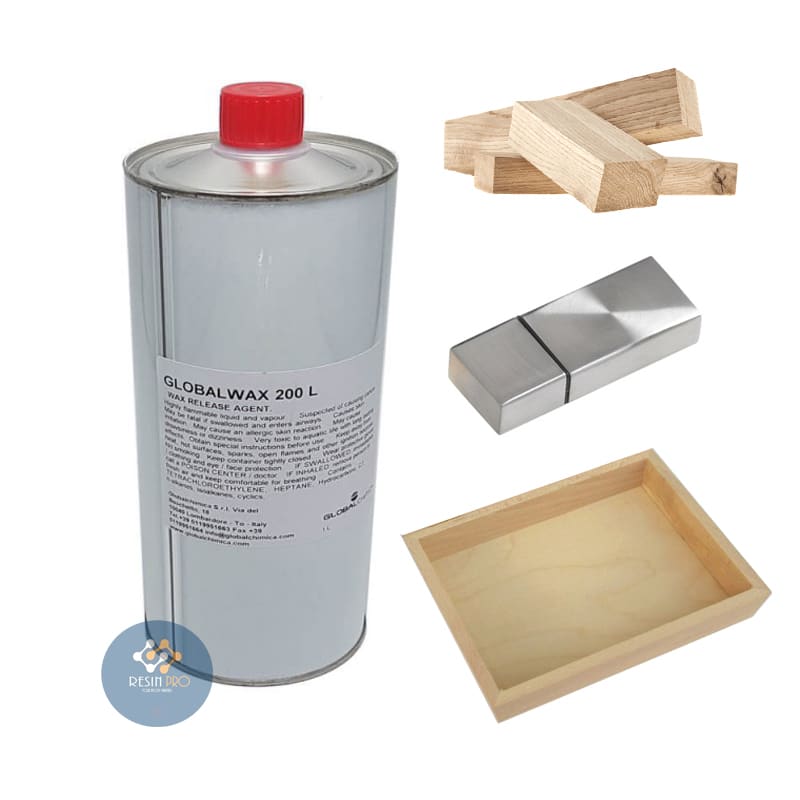
- “Global A2” – Release Wax for Epoxy and Resin Moulds, Liquid, Heat Resistant to 180°C
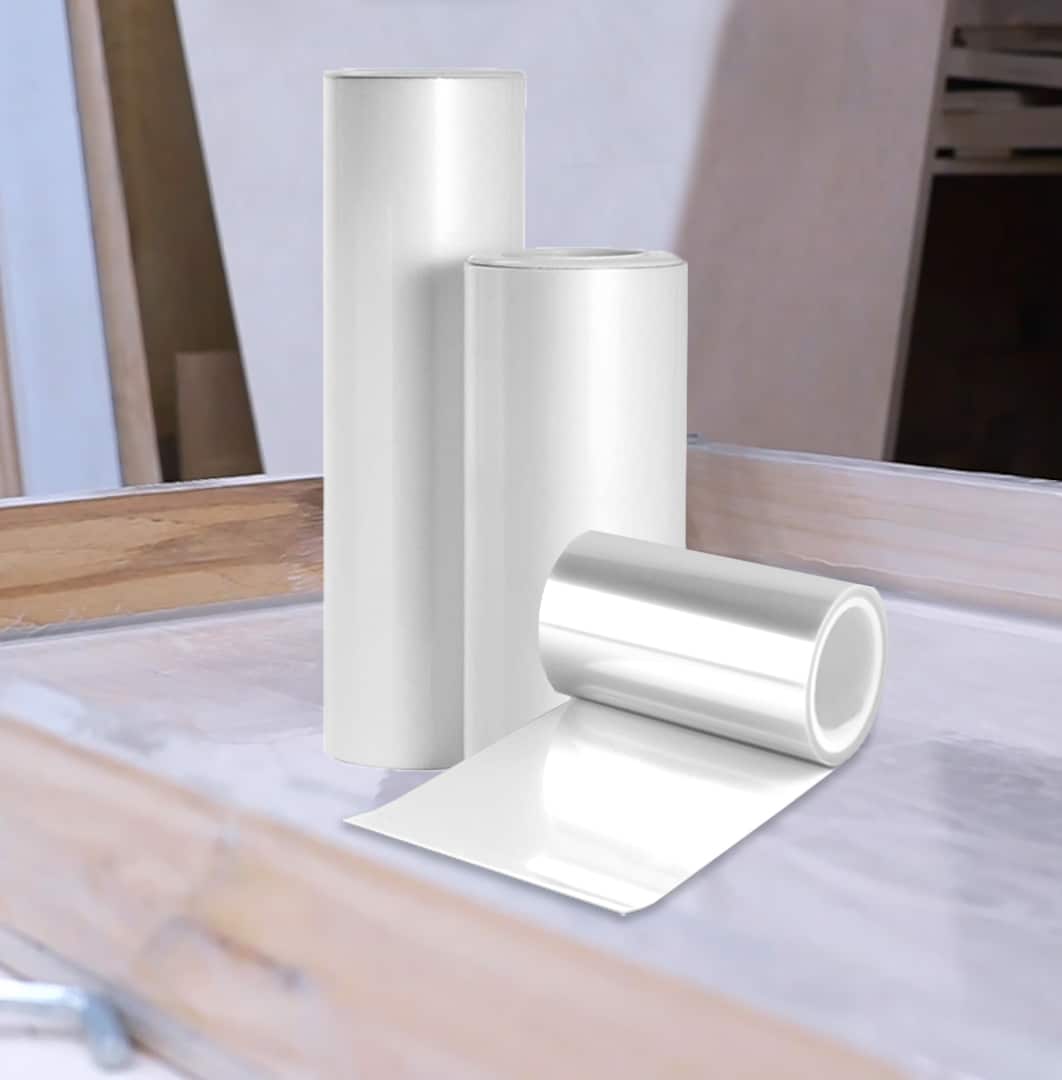
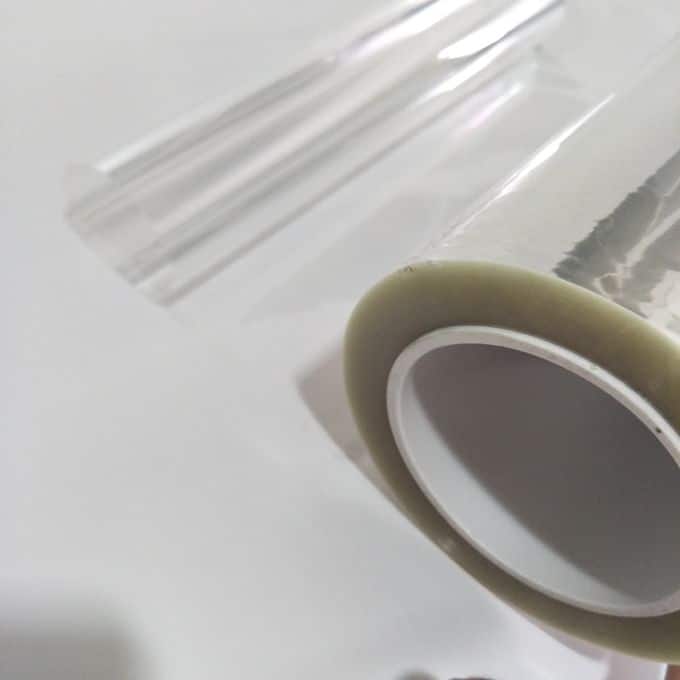
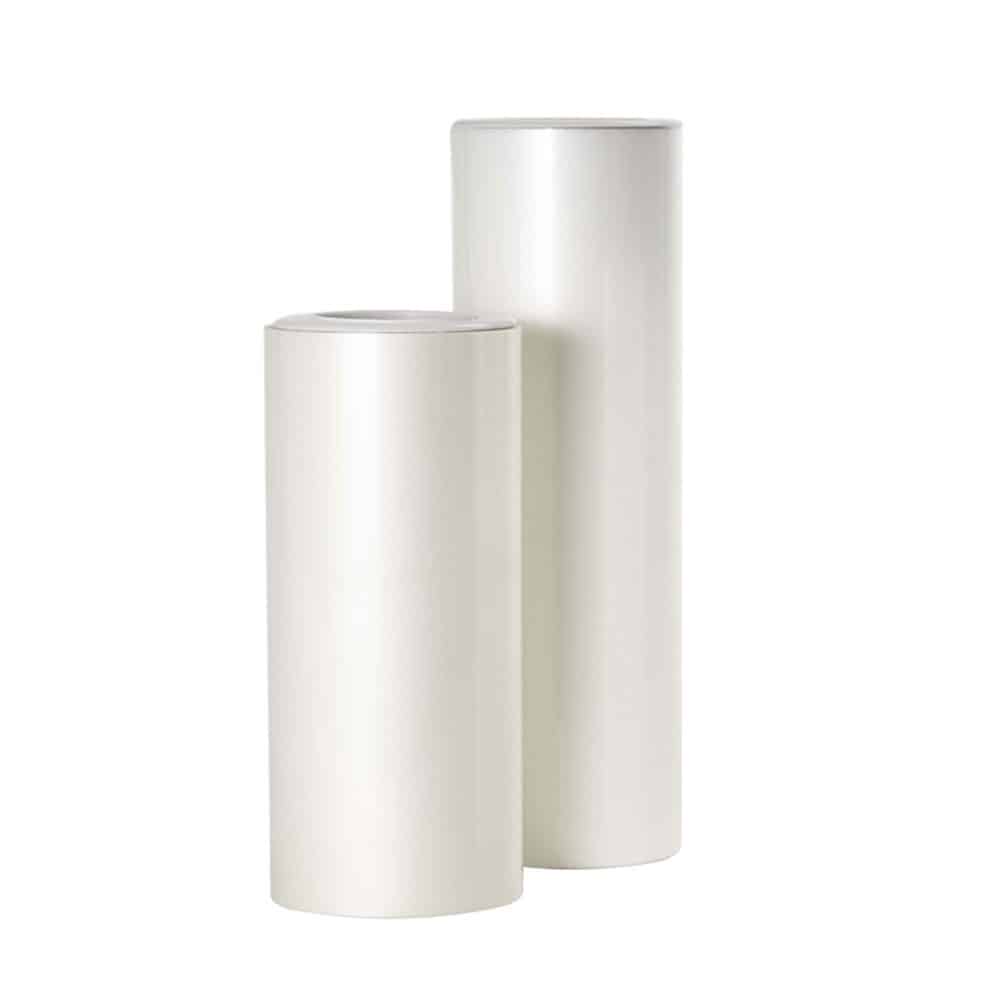
- “Shiny Shield” – Glossy Release Film for Resin Projects
- “Silicone Hexagons Mould” – For Creating with Epoxy Resin – 24x21cm
- “River-Table” – Complete Kit for Creating Your First Epoxy Resin Table (includes mould protection materials and instructions)
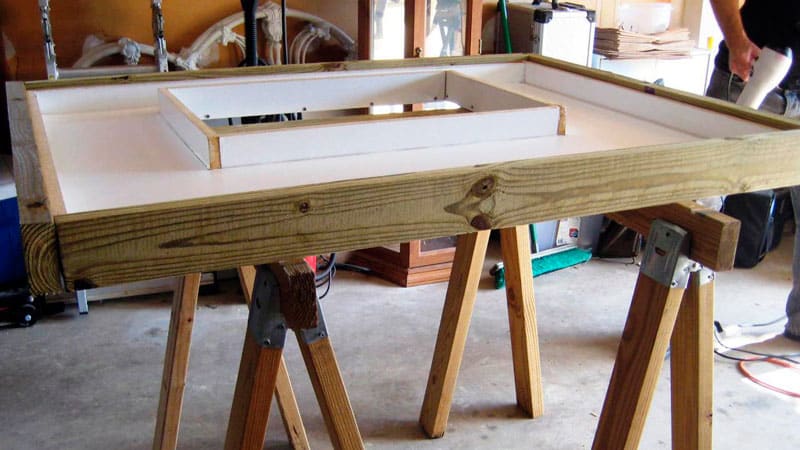
Visual Guide to Mould Preparation
Explore examples of mould types and see the difference that a clean surface or a well-applied release agent can make to your resin demoulding experience. Whether preparing silicone shapes or lining a wooden frame, visuals help illustrate each method for achieving professional resin results.
Step 1: Choose the Right Mould Surface
The base material of your mould plays a major role in how well epoxy releases after curing. Silicone moulds are highly recommended as they are flexible and naturally non-stick, making demoulding almost effortless. Semi-rigid options such as “Silicone Hexagons Mould” are ideal for decorative pieces, coasters, or keepsakes. Always inspect your mould for any signs of wear or residue before use to maintain easy release.
Step 2: Apply a Suitable Release Agent
For non-silicone, rigid, or wood, metal, and plastic moulds, it is essential to coat the surface with a dedicated release agent before pouring epoxy. A liquid wax, such as “Global A2” – Release Wax for Epoxy and Resin Moulds, creates a heat-resistant, non-adhesive film, dramatically reducing the chance of sticking. Allow the wax to dry thoroughly (usually 2–3 minutes) before pouring the resin for best results.
Step 3: Use a Release Film for Flawless Surfaces
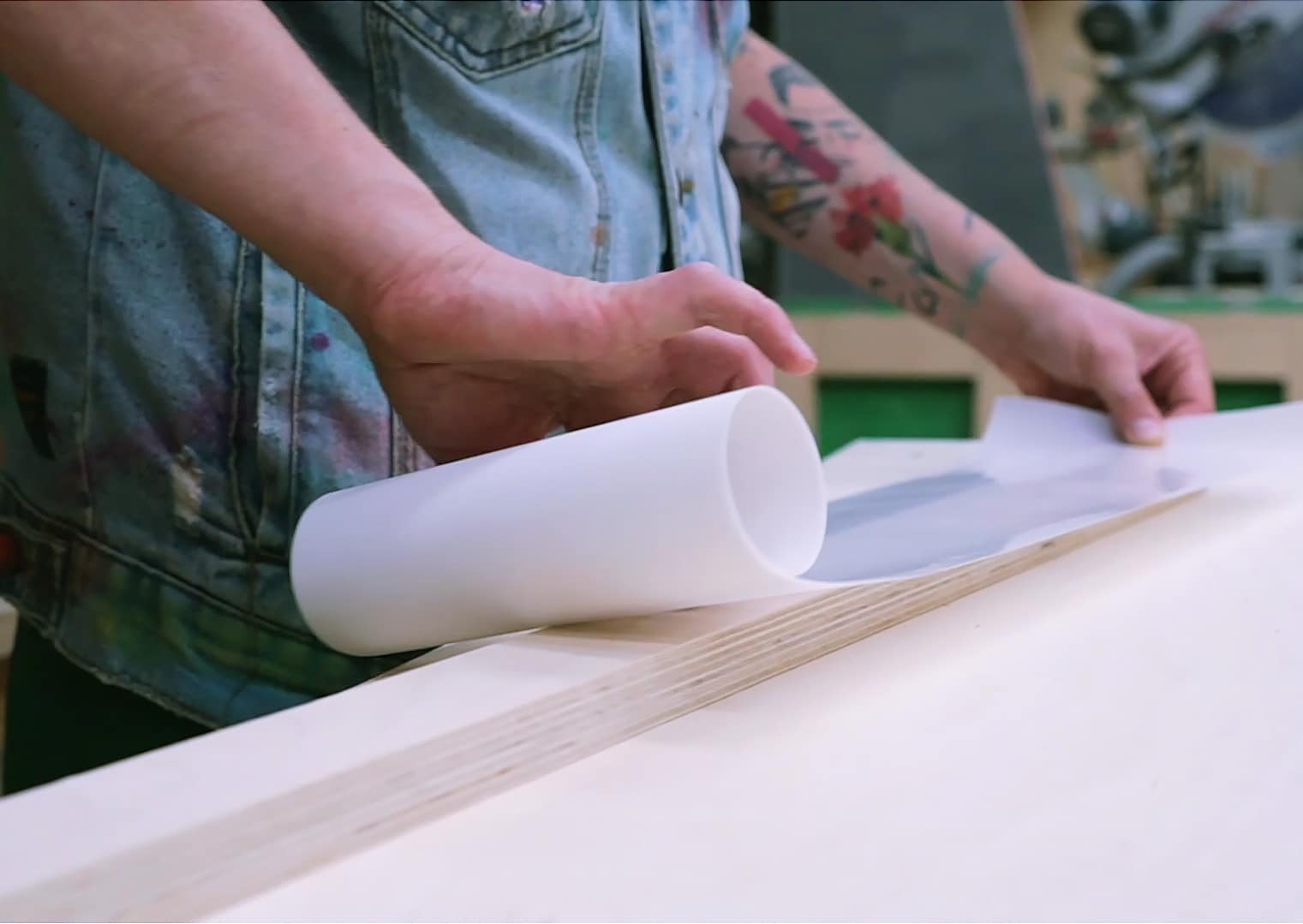
If you want an absolutely smooth, glossy finish with zero sanding required, line your mould or frame with a self-adhesive release film. The “Shiny Shield” – Glossy Release Film for Resin Projects is especially useful for river tables and similar projects, creating a perfectly flat, mirror-like surface while ensuring the cured resin does not adhere to the formwork or enclosure. Carefully press the film flat without trapped air bubbles before pouring.
Step 4: Demould Carefully and Maintain Your Moulds
Once your epoxy has fully cured (refer to curing guidelines for your resin type), gently flex or peel back the mould edges to release your piece. For tight or intricate designs, take care not to force removal—allowing extra time for cure or gently wiggling the sides can reduce risk of breakage. Regularly clean and maintain both silicone and rigid moulds; avoid abrasive cleaners and harsh solvents that could degrade future release performance.
Tips for Success and Common Mistakes
Always apply release agents evenly on the mould surface. Skipped areas can cause epoxy to bond and ruin your piece.
Silicone moulds naturally resist sticking, but keep them clean. Residue from previous pours can cause unwanted surface marks or sticking in future projects.
Do not use harsh solvents to clean moulds, as these can damage the material. Use soft cloths and mild soap when necessary.
Inspect your release surface before each pour for debris or residue. Even a small amount can affect the finish or demoulding process.
Troubleshooting Sticky Resin
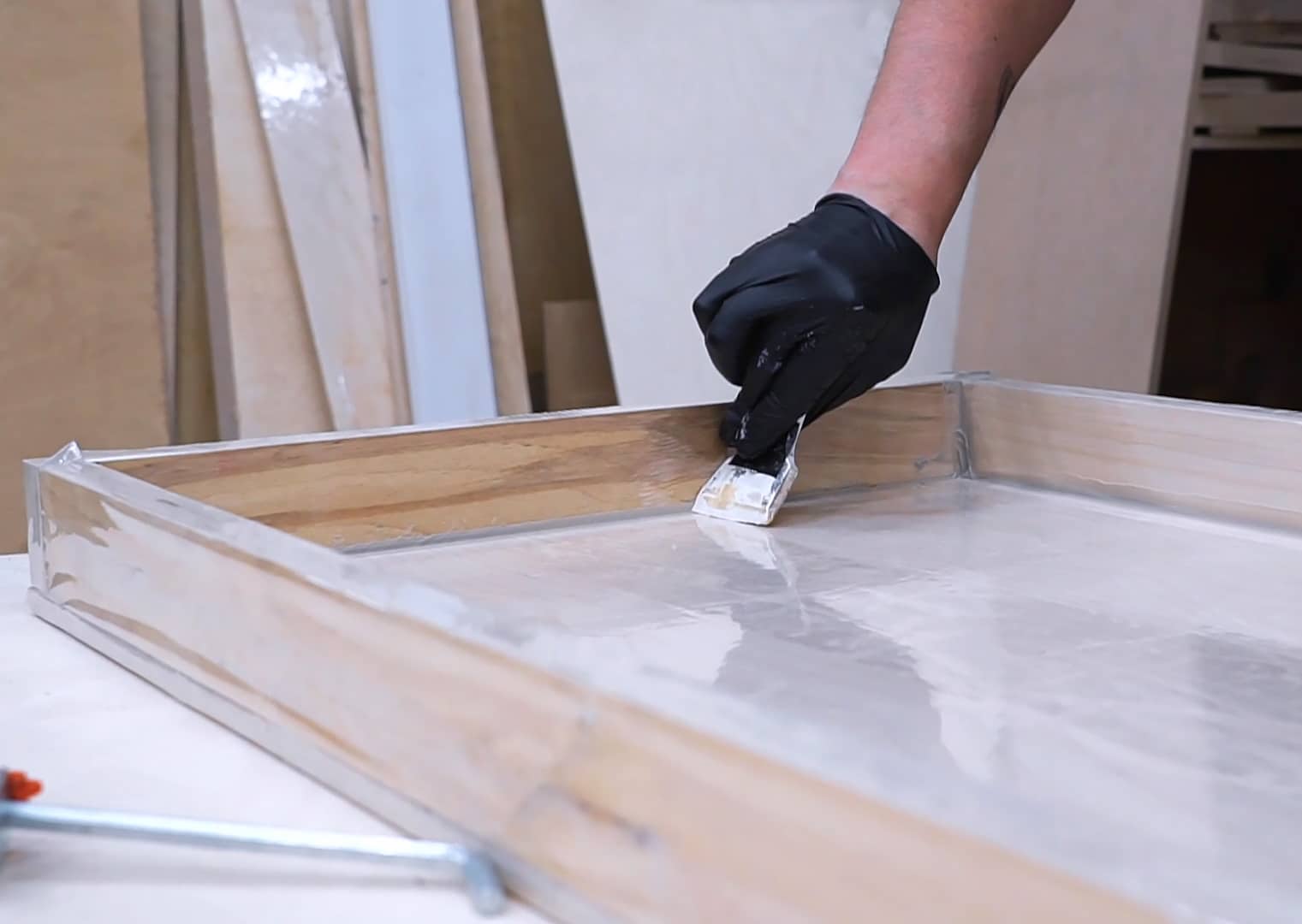
Find out what a poorly prepared mould or uneven application of release agent looks like in practice. Practical images can help you recognise trouble spots—like sticky corners or clouded finishes—so next time you can address problems before they affect your project.
- "Global A2" – Release Wax for Epoxy and Resin Moulds, Liquid, Heat Resistant to 180°CPrice range: £15.85 through £18.85"Global A2" Release Wax forms a protective film to support epoxy resin moulds, fitting the theme of preventing sticking.
- "Shiny Shield" – Glossy Release Film for Resin ProjectsPrice range: £3.25 through £12.25Shiny Shield is a self-adhesive glossy release film suitable for mould lining in epoxy resin projects, providing a flat, polished surface without…
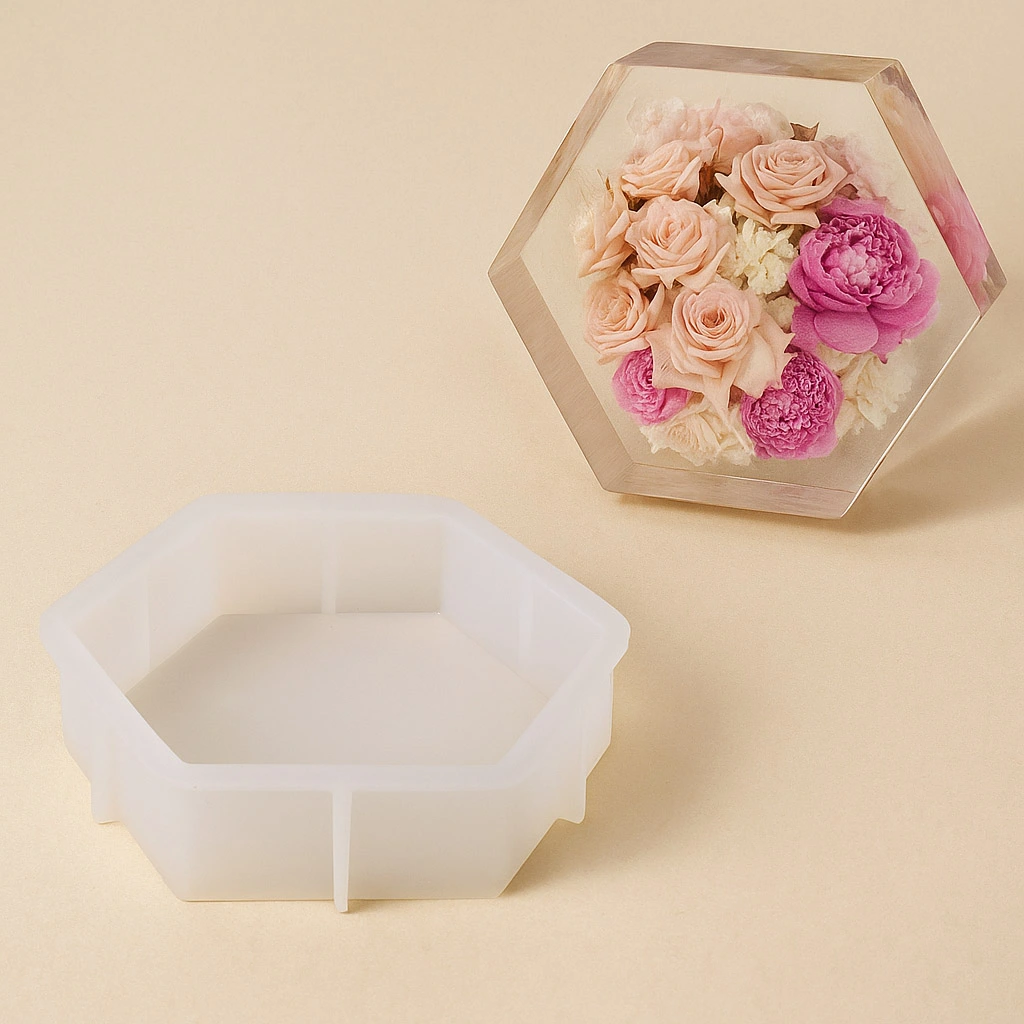 "Silicone Hexagons Mould" – For Creating with Epoxy Resin – 24x21cm£12.85Flexible silicone mould designed for creating decorative resin objects such as coasters and keepsakes.
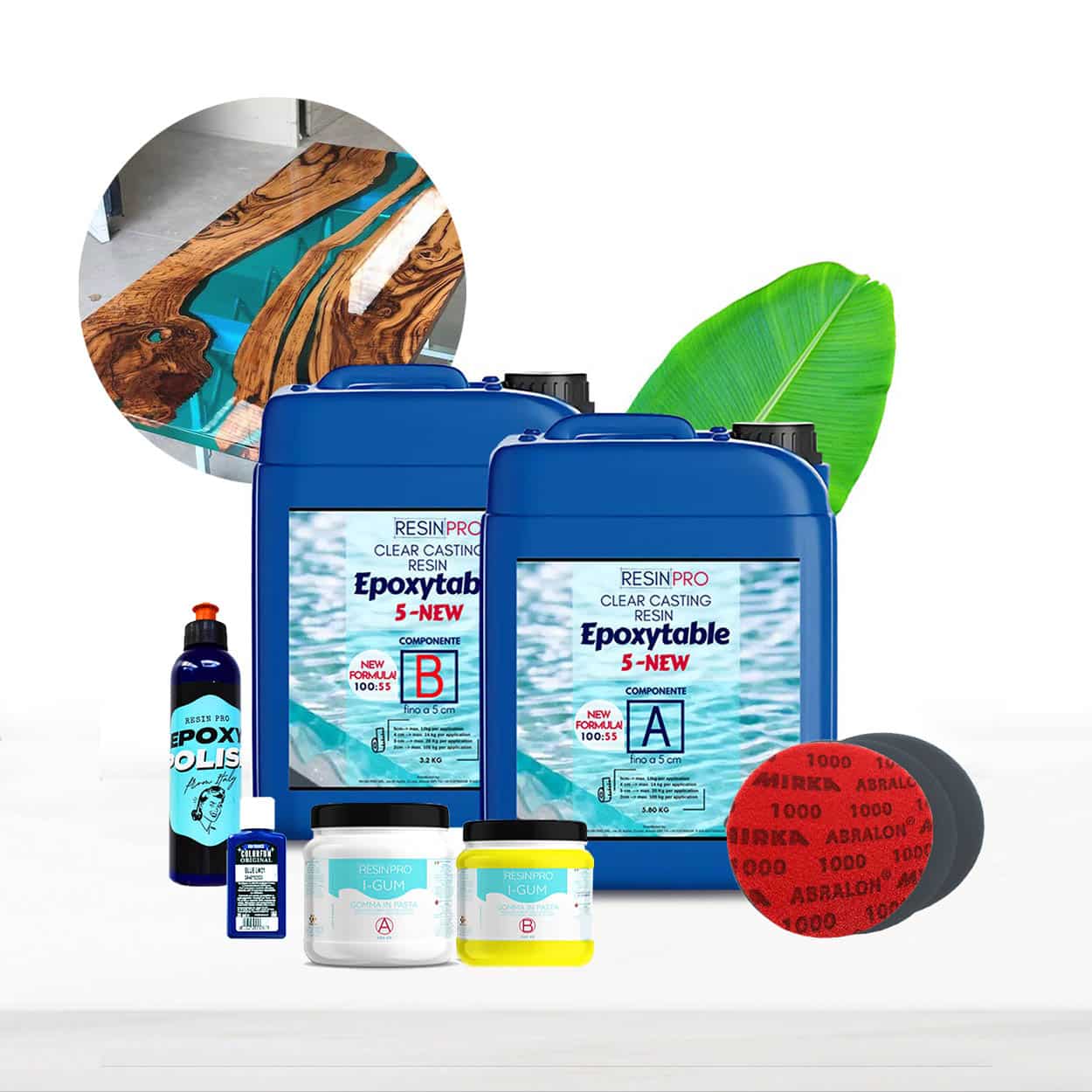 "River-Table" – Complete Kit for Creating Your First Epoxy Resin TablePrice range: £188.85 through £444.85"River-Table" kit supplies essentials for wooden and resin tables, including resin, silicone sealant and polishing in a practical starter pack.
Frequently Asked Questions
What is the best release agent for epoxy resin moulds?
A dedicated release wax or a self-adhesive release film works best for non-silicone moulds, as these create a barrier to prevent sticking.
Can you reuse silicone resin moulds?
Yes, silicone moulds can be used repeatedly if properly cleaned and stored between uses.
Do you need a release agent for silicone moulds?
Often, silicone moulds do not require extra release agents, but a light coating can help extend mould life for complex shapes.
Why does resin stick to a mould surface?
This can happen if the surface is dirty, if the release agent is missing, or if curing has not completed before demoulding.
How can I remove stuck epoxy from a mould without damage?
Stretch silicone moulds gently. For firm moulds, use warm water and mild soap to loosen the resin without using force.
Do release films affect resin gloss or clarity?
A quality glossy release film can actually improve gloss and does not cloud or reduce the clarity of your finished resin piece.