 Free shipping on orders over £29,85
  Shipping Tracking!


 Google
 Facebook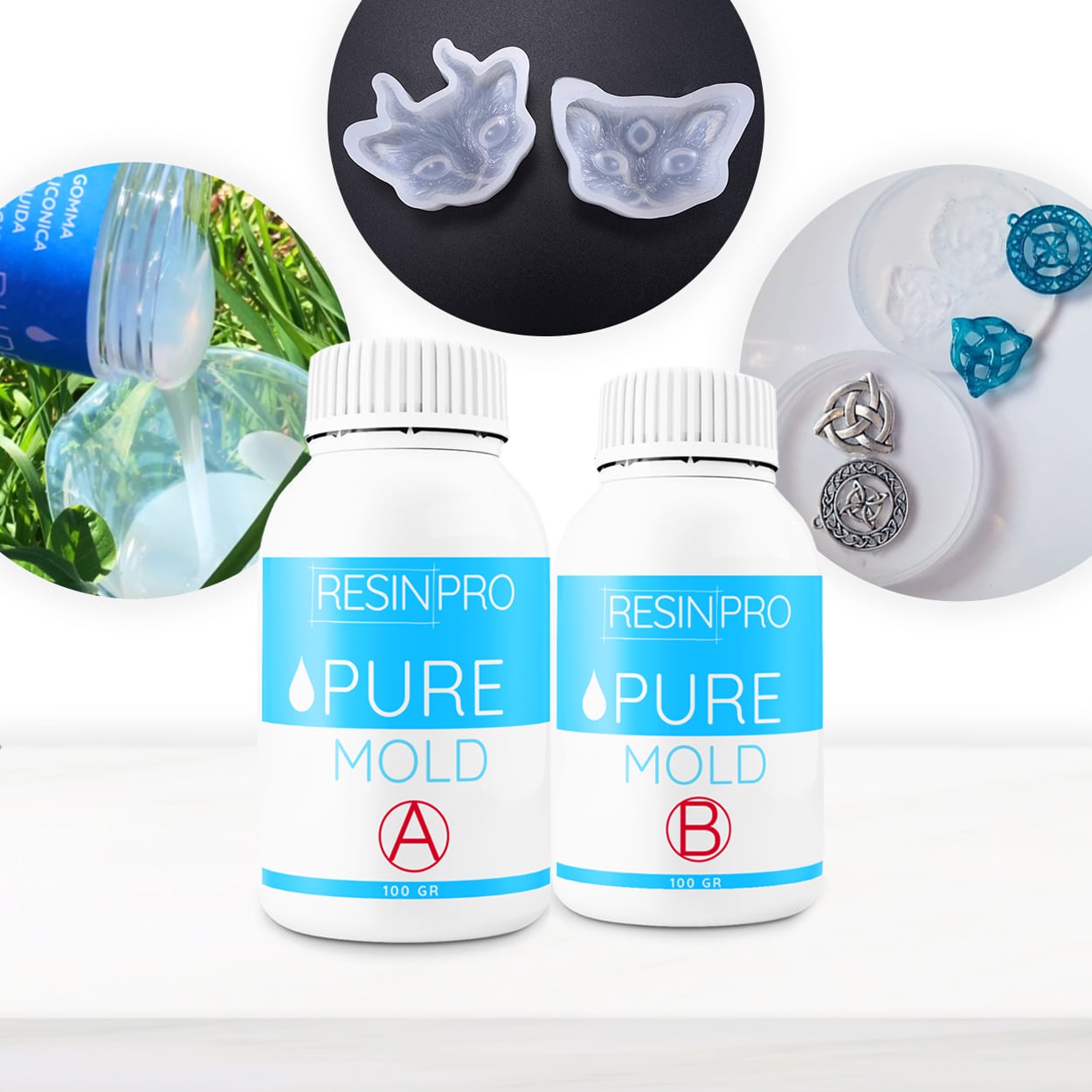
Getting the best results from epoxy resin depends on more than just your resin formula – taking care with how you prepare your moulds is just as important. Avoiding common mistakes at this stage will help you achieve a smooth finish and a stress-free demoulding process.
Keep Moulds Clean, Dry and Undamaged
One of the most frequent errors is pouring resin into a dirty or dusty mould. Particles left behind can stick to the resin, ruining your finished piece. Before every pour, take time to gently wipe your mould inside and out. Ensure it’s completely dry and inspect for any tears or damage—especially in flexible silicone moulds. Even small blemishes can transfer to your resin, so if a mould becomes damaged, it’s best to replace it with a quality option such as the “Pure Mould” liquid silicone rubber which offers great durability and surface detail.
Use Only Gentle Cleaning Methods
Harsh solvents and aggressive cleaners can degrade the surface of silicone moulds, reducing their flexibility and non-stick properties. Always choose mild soap and lukewarm water, and allow your mould to air dry fully before use. Avoid tools or sponges that could scratch or otherwise damage the mould’s surface. This helps maintain the integrity of your mould for repeated casting sessions.
Remove Resin at the Right Time
Leaving cured resin in the mould longer than the manufacturer’s recommended time can lead to sticking or difficulty in demoulding, especially with delicate items like jewellery. Once your resin has set, carefully demould your piece. This avoids unnecessary stress on the mould and keeps your casts crisp and clean. For small projects, such as those made in the “Three Drops” jewellery mould, be prompt about demoulding.
When This Matters
These precautions are crucial when you want to achieve a perfectly smooth finish or when working with intricate designs (like jewellery and decorative shapes). Failure to follow basic preparation steps can result in clouded finishes, difficult demoulding, or even ruined moulds—impacting both your final product and your crafting budget.
Related products
Related guides
By keeping your moulds in top condition and demoulding at the right moment, you’ll consistently produce the resin pieces you envision. Explore our full guide on choosing and preparing the best moulds for epoxy resin at the main moulds and preparation hub.