 Free shipping on orders over £29,85
  Shipping Tracking!


 Google
 Facebook
← Back to How to Make a Wood and Resin Table
Mixing epoxy resin at very high or low temperatures can cause problems for your wood and resin table project. Get the basics right for best results.
Why Temperature Matters When Mixing Resin
Extreme heat or cold impacts how epoxy resin and hardener blend and cure. High temperatures may cause resin to cure too quickly, produce excessive bubbles, or even crack as it sets. On the other hand, cold conditions can slow down the curing process, result in a cloudy finish, or make the resin difficult to mix evenly. Aim to work in a stable, moderate indoor environment to avoid these common issues.
Practical Tips for Resin Mixing
- Always check if your workspace is between 18°C and 25°C for optimal resin handling.
- Bring all resin and hardener to room temperature before mixing – don’t use them straight from a cold garage or hot conservatory.
- Follow product guidelines exactly and stir slowly to reduce air bubbles.
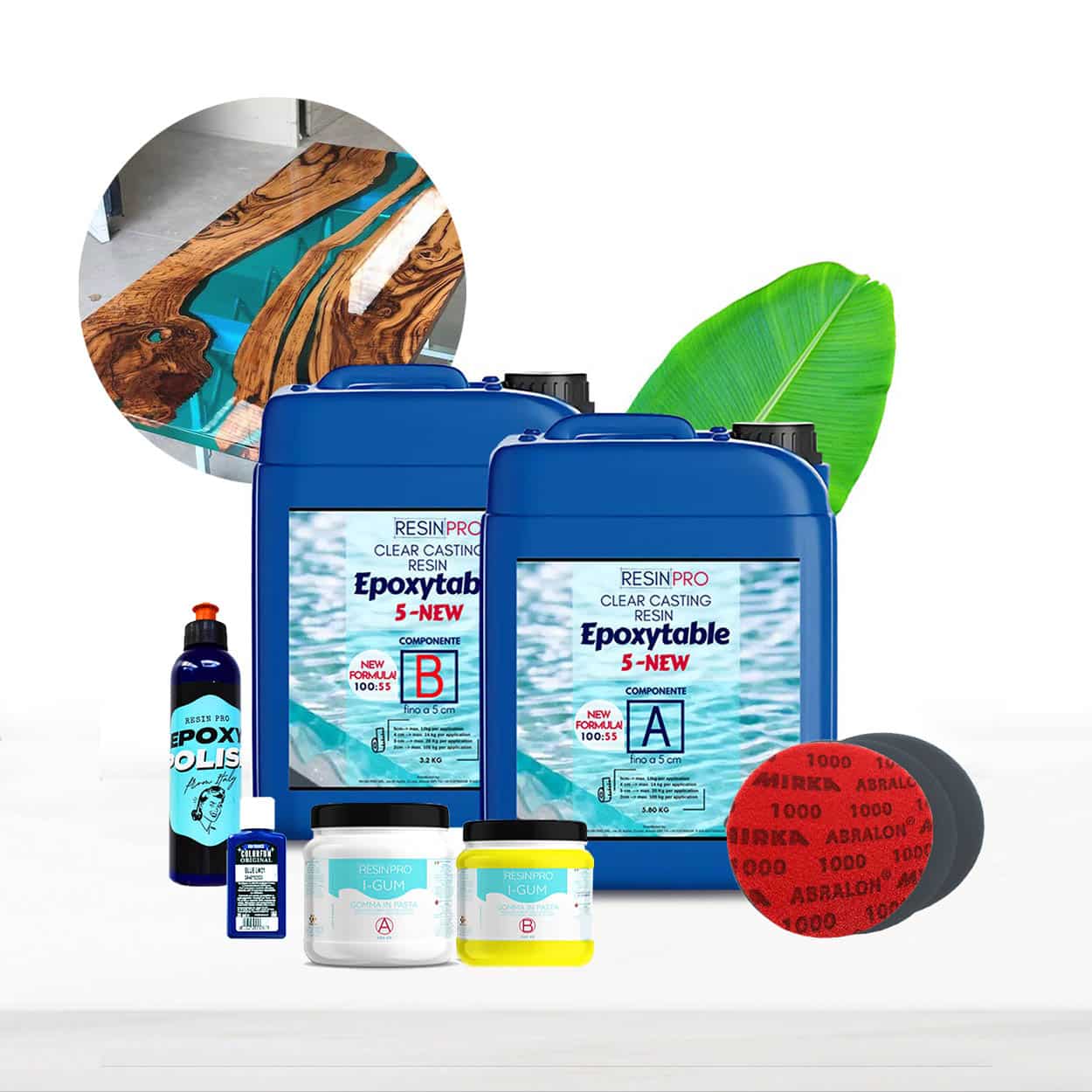
- If conditions are challenging, consider using an epoxy formulated for deeper pours or more stable curing, such as “EpoxyTable 5-Five“.
When This Matters Most
Pay extra attention when working on larger tables or deep pours, as temperature swings have a bigger impact on thick layers. A well-chosen kit, such as the “River-Table” – Complete Kit, includes clear instructions to help you avoid common pitfalls.
Related products
Related guides
Keeping the right temperature when mixing resin is key for a flawless, clear finish on your wood and resin table. Careful preparation lays the foundation for success—see more tips and project ideas on our full guide to How to Make a Wood and Resin Table.