 Free shipping on orders over £29,85
  Shipping Tracking!


 Google
 Facebook
How to Make a Wood and Resin Table
Creating your own wood and resin table opens the door to personalised furniture—whether you love the look of river tables or simply want to blend natural wood with swirling clear epoxy for a striking centrepiece. This guide will walk you through each stage, from preparing your timber to pouring resin and achieving a flawless finish.
Step-by-step guidance for crafting beautiful resin river tables.
What You’ll Need
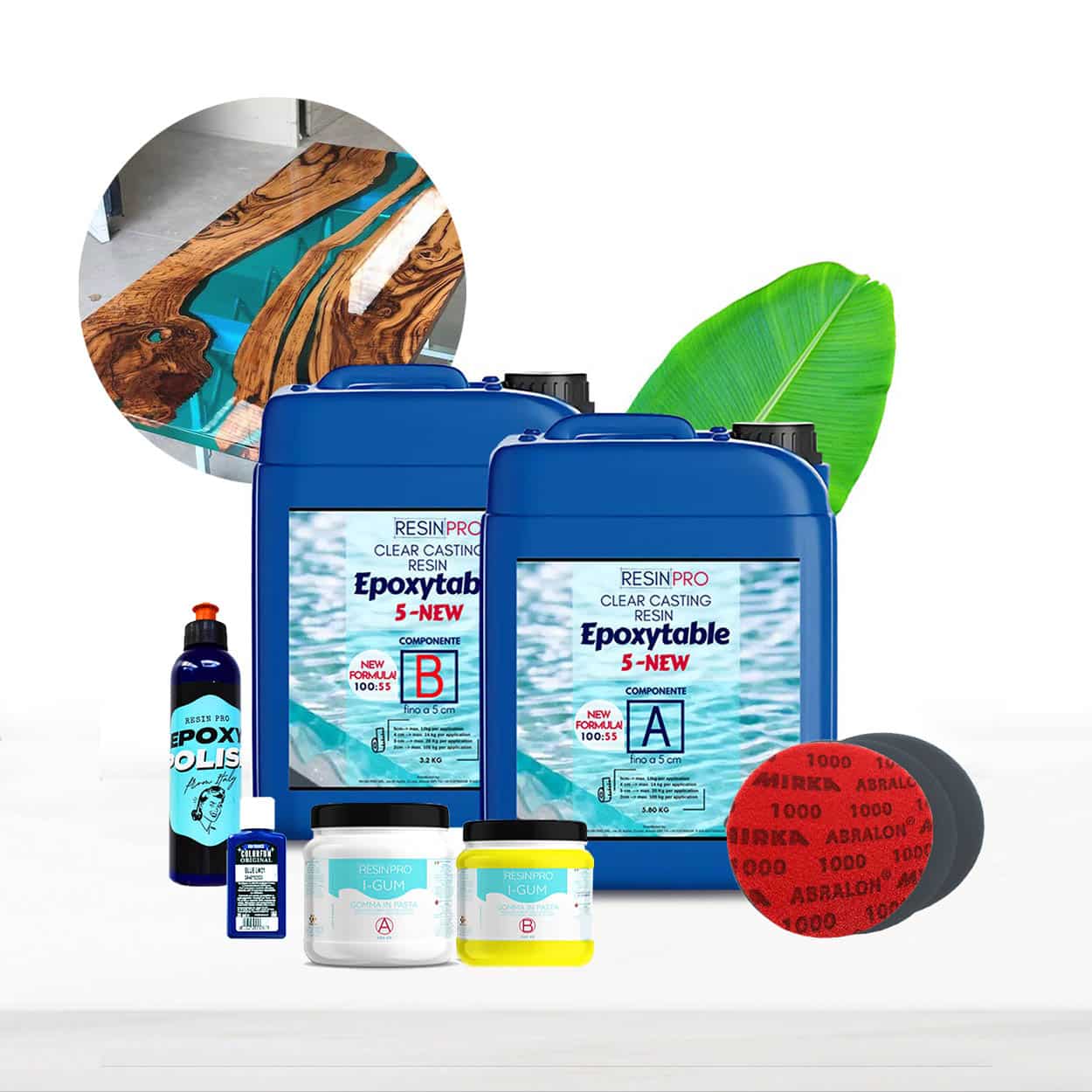
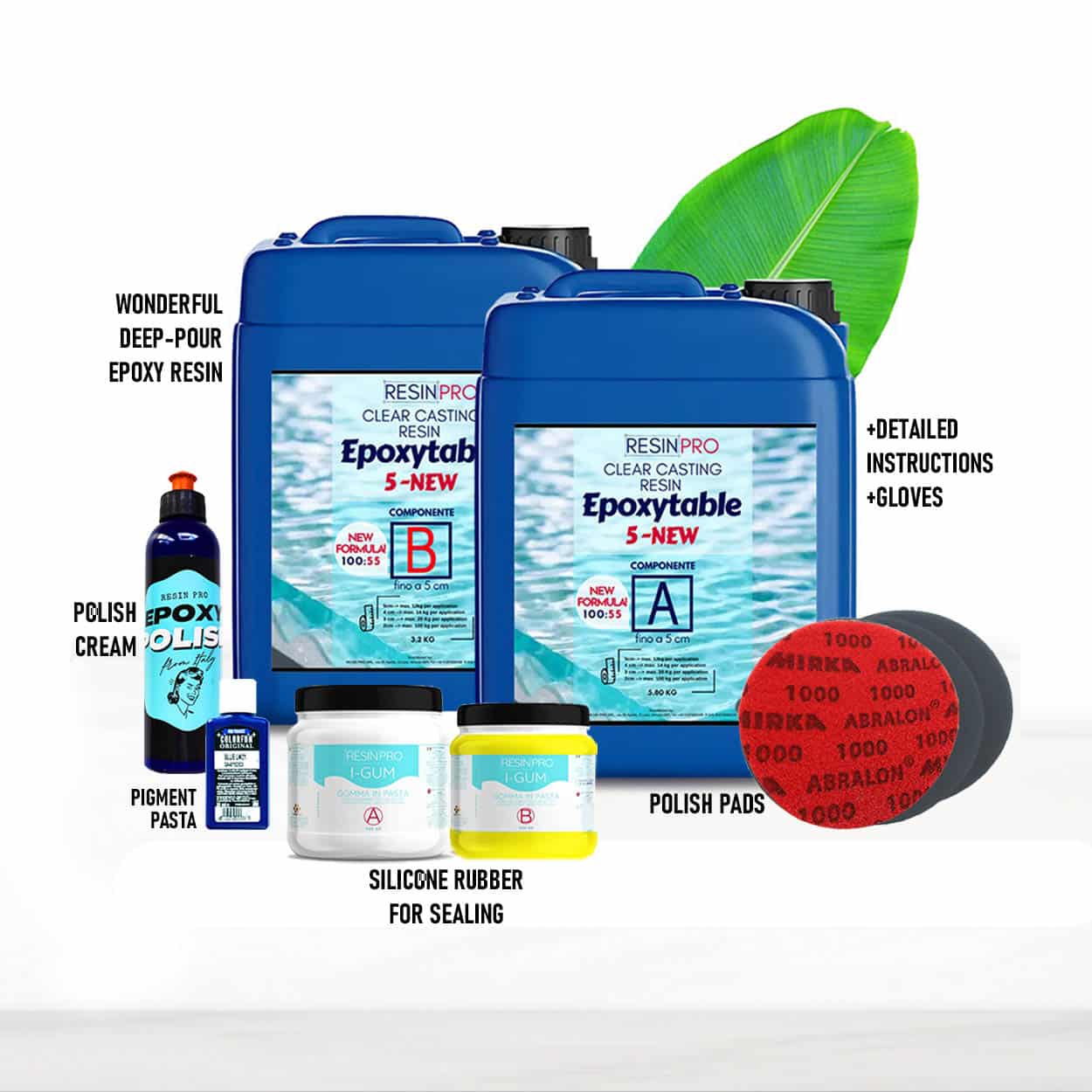
- “River-Table” – Complete Kit for Creating Your First Epoxy Resin Table – a comprehensive kit perfect for beginners, including resin, pigment, sealant, and polishing materials.
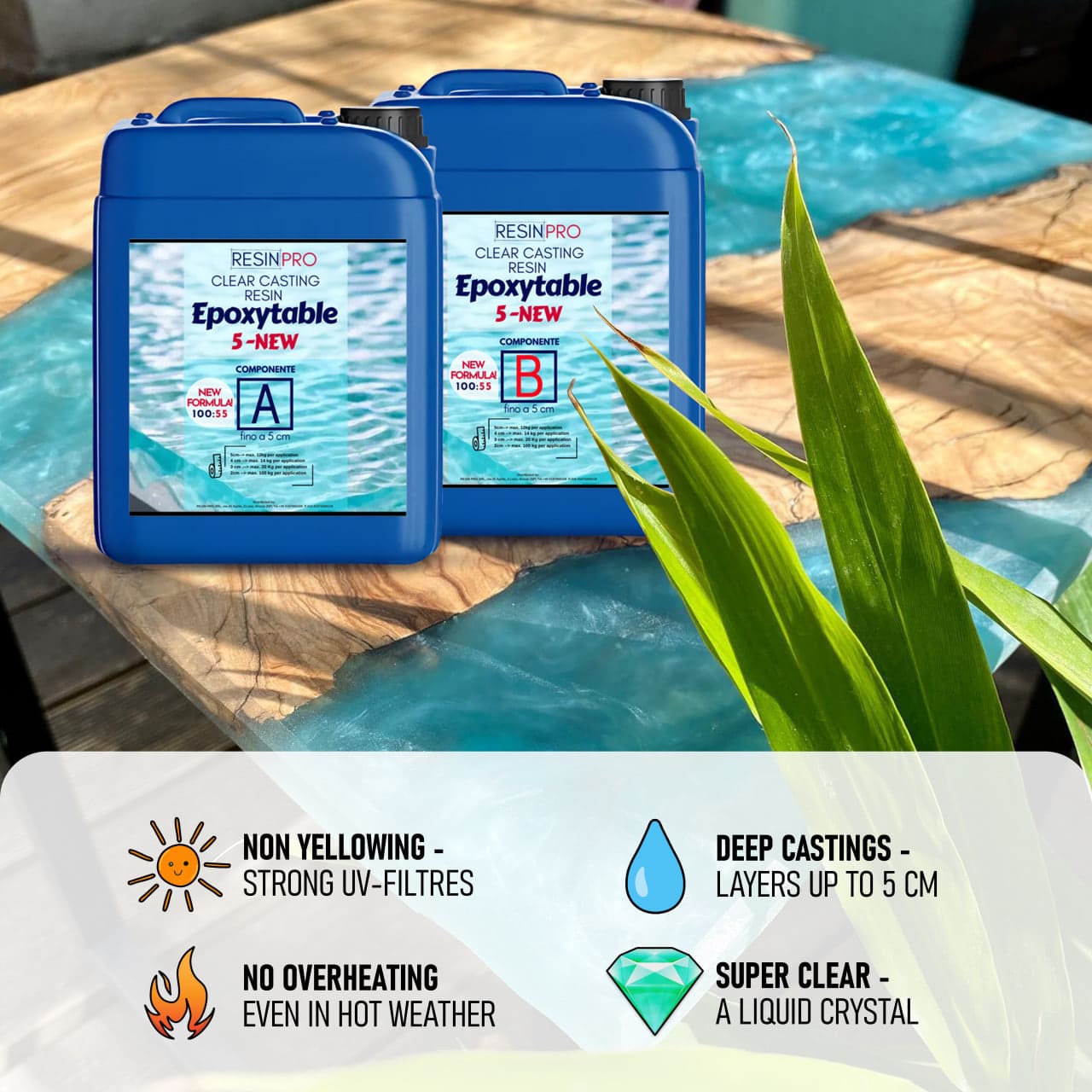
- “EpoxyTable 5-Five” – Deep Pour Epoxy Resin for Tables and Large Projects – Up to 5cm – for deeper pours, ensuring clear, bubble-free results.
- “Epoxytable 10-Ten” – Deep Pour Epoxy Resin for Tables, Up to 10cm Casting – essential for exceptionally thick tabletops.
- “Geode O” – Large Wooden Board Table Base for Epoxy Resin Projects – 90x60cm or 120x80cm – robust and ready as your stylish foundation.
- Personal protection: gloves, mask, apron
- Mixing buckets and stirring sticks
- Painters’ tape or silicone tape for sealing
- Sanding tools and sandpaper (various grits)
- Spirit level, clamps, dust-free workspace

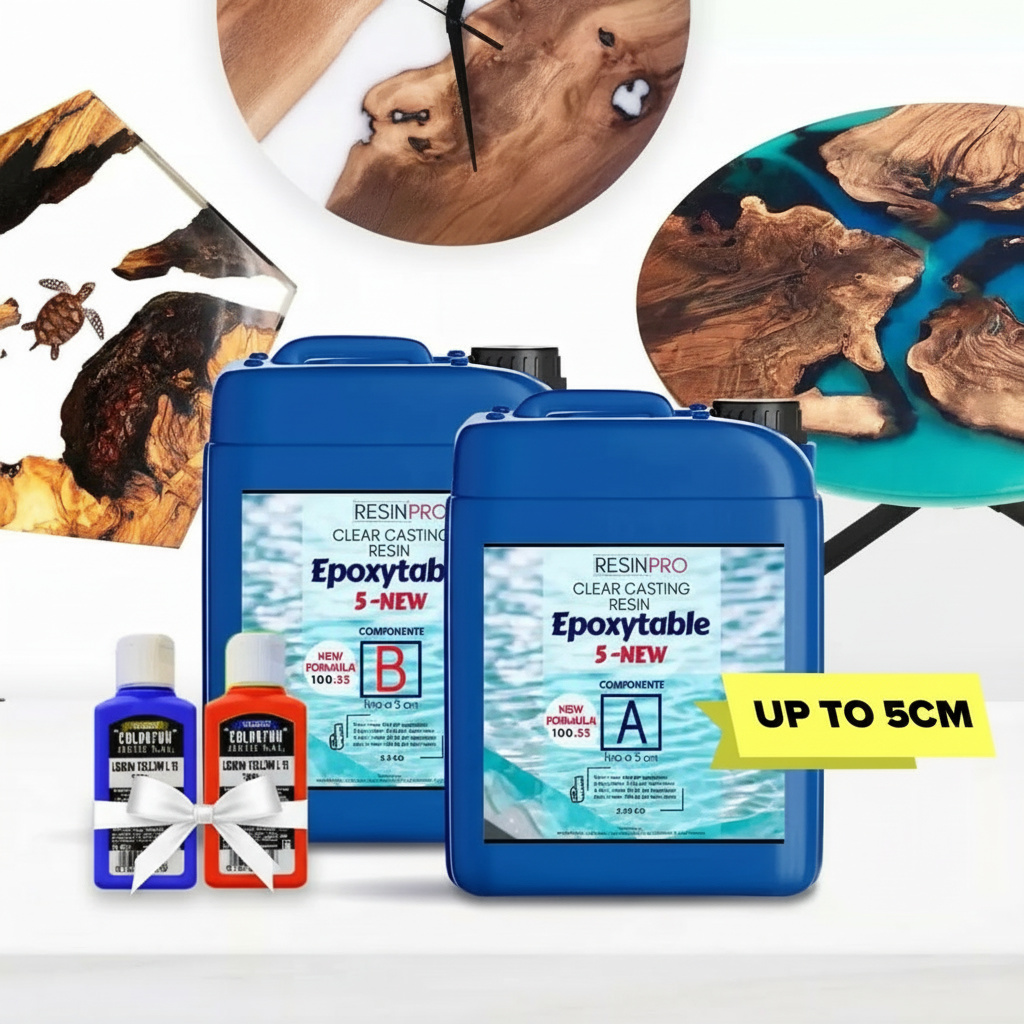
Visual Inspiration for Your Wood and Resin Table
See how other makers have blended live-edge wood and crystal-clear resin to create striking, functional art pieces that become a centrepiece of any room.
Step 1: Prepare the Wood and Workspace
Begin by selecting solid, dry wood free from rot or loose bark. Trim and plane the wood’s live edges as desired, then sand the surface smooth—start with coarse and progress to fine grit. Clean any dust or debris thoroughly.
Set your workspace up in a level, dust-free area. Place the “Geode O” – Large Wooden Board Table Base for Epoxy Resin Projects on a stable surface. This foundation ensures your resin pour will cure flat and evenly.
Step 2: Assemble and Seal the Mould
Use a silicone, melamine, or HDPE form to contain your pour. Make sure edges and gaps are properly sealed—apply silicone tape or paste along all joints to prevent leaks. Double-check with painter’s tape for added insurance. Let the seal fully cure before proceeding.
If using a starter kit such as “River-Table” – Complete Kit for Creating Your First Epoxy Resin Table, make use of the included silicone rubber and detailed instructions to stay on track from the start.
Step 3: Mix and Pour the Resin
Carefully measure your chosen epoxy resin, following the supplied ratio for your product. Pour both parts into a clean mixing bucket, stir slowly and thoroughly for several minutes—scraping the sides and bottom. If pigments are desired, blend them into the resin at this stage, mixing until the colour is consistent.
Choose “EpoxyTable 5-Five” for pours up to 5cm, or “Epoxytable 10-Ten” if your design requires greater thickness. Slowly pour the resin into your prepared mould, moving from one end to the other to minimise bubbles and fill all gaps. Tap the mould sides gently and pass a heat gun (on low) across the surface to remove any trapped air.

Step 4: Allow to Cure and Demould
Let the resin cure fully according to the manufacturer’s timeline—this can range from 24 to 72 hours or more for thick pours. Leave the table undisturbed, away from dust and direct sunlight. After curing, carefully remove the formwork. Any sharp edges or flash can be trimmed or gently sanded away.
Step 5: Sand, Polish, and Finish
Begin sanding with coarse grit and work through the grades to achieve a perfectly smooth surface. Wipe clean between sandings. For a glossy finish, polish the resin with a suitable polishing compound and pad. If you have used the River-Table kit, utilise the included EpoxyPolish polishing cream for best shine.
Finally, protect your new tabletop with a suitable sealer, oil, or wax for wood portions, and enjoy your custom creation.
Tips and Common Mistakes to Avoid
- Always check your table base for warping before pouring.
- Work at stable room temperature to ensure proper resin curing—extremes can affect bond and clarity.
- Use pigment sparingly for best translucence. Overuse may result in cloudiness.
- Deep pours require slow curing; do not rush the process. Pouring too thick in one go or applying extra heat can cause cracks or bubbles.
- Avoid mixing resin at extreme temperatures. Both cold and hot conditions can cause issues with cure and finish.
- Use a level to check your surface before and after pouring—the liquid resin will find any slope.
Expert Insights for Stunning Tabletop Results
Proper preparation and patience are the keys to a flawless resin table. Embrace slow curing, careful mixing, and thorough sanding to achieve a professional look worthy of any space.

- "River-Table" – Complete Kit for Creating Your First Epoxy Resin TablePrice range: £188.85 through £444.85The "River-Table" kit provides all materials and instructions needed for creating wood and resin tables.
- "EpoxyTable 5-Five" – Deep Pour Epoxy Resin for Tables and Large Projects – Up to 5cmPrice range: £16.85 through £1,099.85"EpoxyTable 5-Five" is designed for deep pouring up to 5cm, suitable for wood and resin tables with good UV resistance and mechanical durability.
 “Epoxytable 10-Ten” – Deep Pour Epoxy Resin for Tables, Up to 10cm CastingPrice range: £33.85 through £334.85“Epoxytable 10-Ten” is an epoxy resin suitable for deep pour projects such as tables, designed for layers up to 10cm with a low exothermic reaction.
 "Geode O" – Large Wooden Board Table Base for Epoxy Resin Projects – 90x60cm or 120x80cmA versatile wooden table base designed for epoxy resin projects, suitable for craftsmen and beginners alike.
Frequently Asked Questions
What is the best resin for deep pour tabletops?
EpoxyTable 5-Five is suitable for pours up to 5cm, whilst Epoxytable 10-Ten handles depths up to 10cm.
Do I need a special table base for pouring epoxy?
A stable, sealed base such as the Geode O board provides reliability and helps prevent cure problems or warping.
How can I prevent bubbles in resin pours?
Mix resin slowly, pour in thin layers if needed, and use a heat gun to remove air from the surface.
How long does epoxy resin take to cure for tables?
Depending on thickness, most table resins cure in 24–72 hours. Thick pours require more time for a safe, thorough cure.
Can I add pigment to my wood and resin table?
Yes, pigments can be blended into the resin for striking colour effects. Ensure uniform mixing for consistency.
What is the best way to polish an epoxy table?
Sand through increasing grits and finish with a dedicated resin polishing compound for the highest clarity and shine.