 Free shipping on orders over £29,85
  Shipping Tracking!


 Google
 Facebook
← Back to How to make a resin panel?
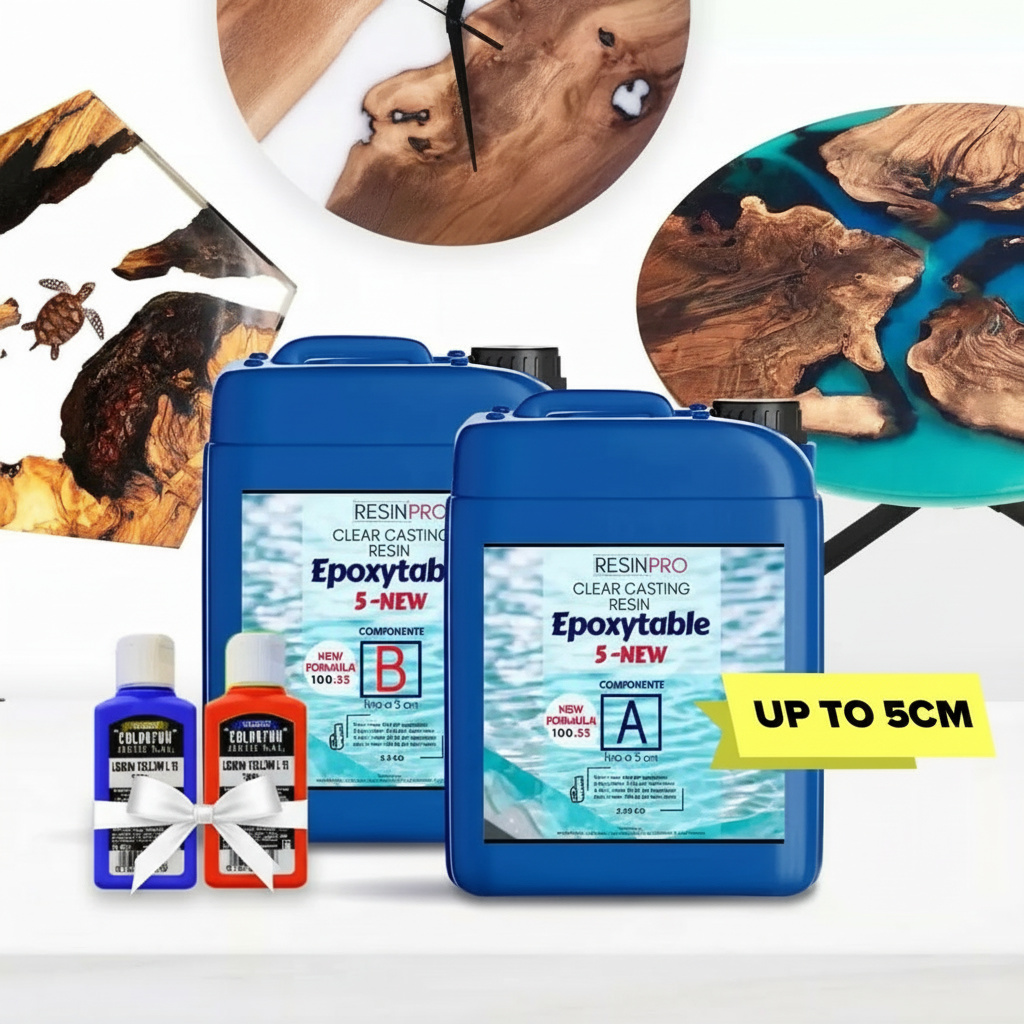
When creating resin panels, it’s crucial to pour no thicker than your chosen resin’s specified maximum layer. Pouring too thick can lead to disappointment and wasted materials. Here’s how to keep your panel safe and beautifully finished.
Why Maximum Pour Thickness Matters
Epoxy resins generate heat as they cure. Pouring too deep in a single go can trap excess heat, making the mixture overheat, bubble, or even crack. Different resins are designed for specific maximum pour depths—exceeding those can ruin your artwork or furniture piece, causing cloudy finishes, discolouration, or warped surfaces.
Choosing the Right Resin for Your Project
- For up to 10 mm: Art projects like coasters or trays can use Art Pro Clear Epoxy Resin. It’s ideal for thin, even coats and surface effects.
- For layers up to 2 cm: Use “Trasparente” Multipurpose Epoxy Resin, which is formulated for medium-depth castings while keeping a clear finish.
- For 2 to 5 cm depth: Larger projects like river tables and panels benefit from EpoxyTable 5-Five, engineered for deep pours with a controlled reaction to avoid overheating.
Practical Tips to Avoid Overpour Issues
- Plan your project in layers if needed. Allow each to cure before the next pour.
- Work in an environment with controlled temperature—warmer spaces speed up curing and can increase the risk of overheating.
- Measure carefully and never exceed the safe thickness stated on your resin’s instructions.
When This Matters Most
Layer control is especially important with thick panels, embedded objects, or large-scale pieces. Following pour limits is the best way to ensure a professional-quality, lasting result.
Related products
Related guides
Respecting your resin’s recommended layer thickness is key to producing stunning and reliable resin panels. Discover more about resin panel techniques on our main guide.