 Free shipping on orders over £29,85
  Shipping Tracking!


 Google
 Facebook
← Back to How much catalyst to use in polyester resin?

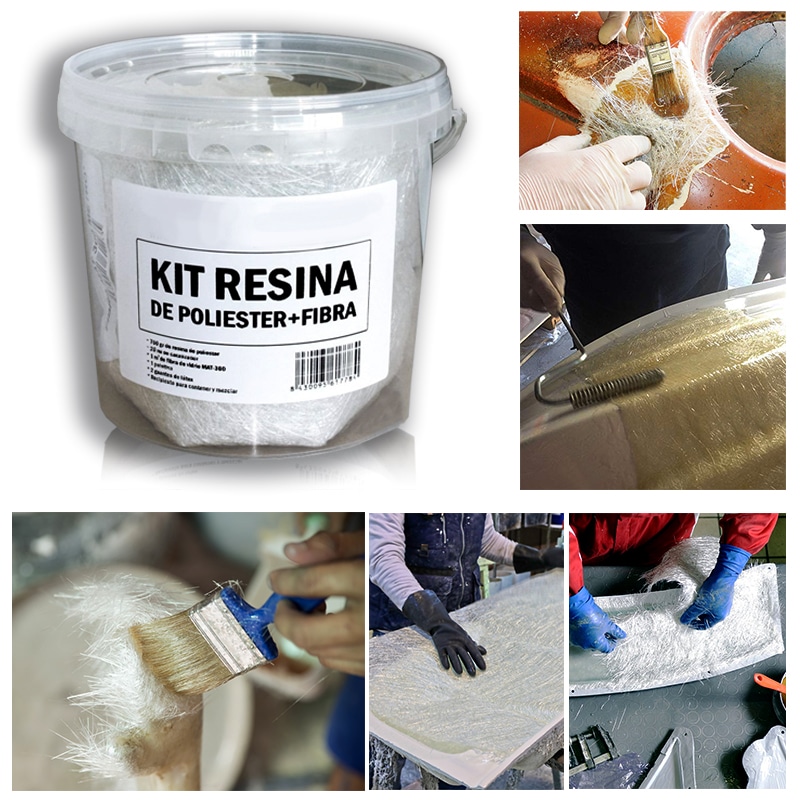
Working with polyester resin can be straightforward – if you take care to avoid several frequent pitfalls. Getting the catalyst measurement right is crucial for achieving a strong, smooth bond. Here’s how to sidestep the most common issues and get reliable results from your repairs.
Precisely Measure Your Catalyst
One of the most common mistakes is using too much or too little hardener (catalyst) when mixing with polyester resin. Always follow the recommended ratio: for example, the Resin Fibreglass Repair Kit provides 20ml of hardener for 700g of resin, representing a 3% mix ratio. Inaccurate measurement can lead to slow curing, incomplete hardening, or even excessive heat during setting, all of which affect durability and finish.
Mix Thoroughly and Avoid Contamination
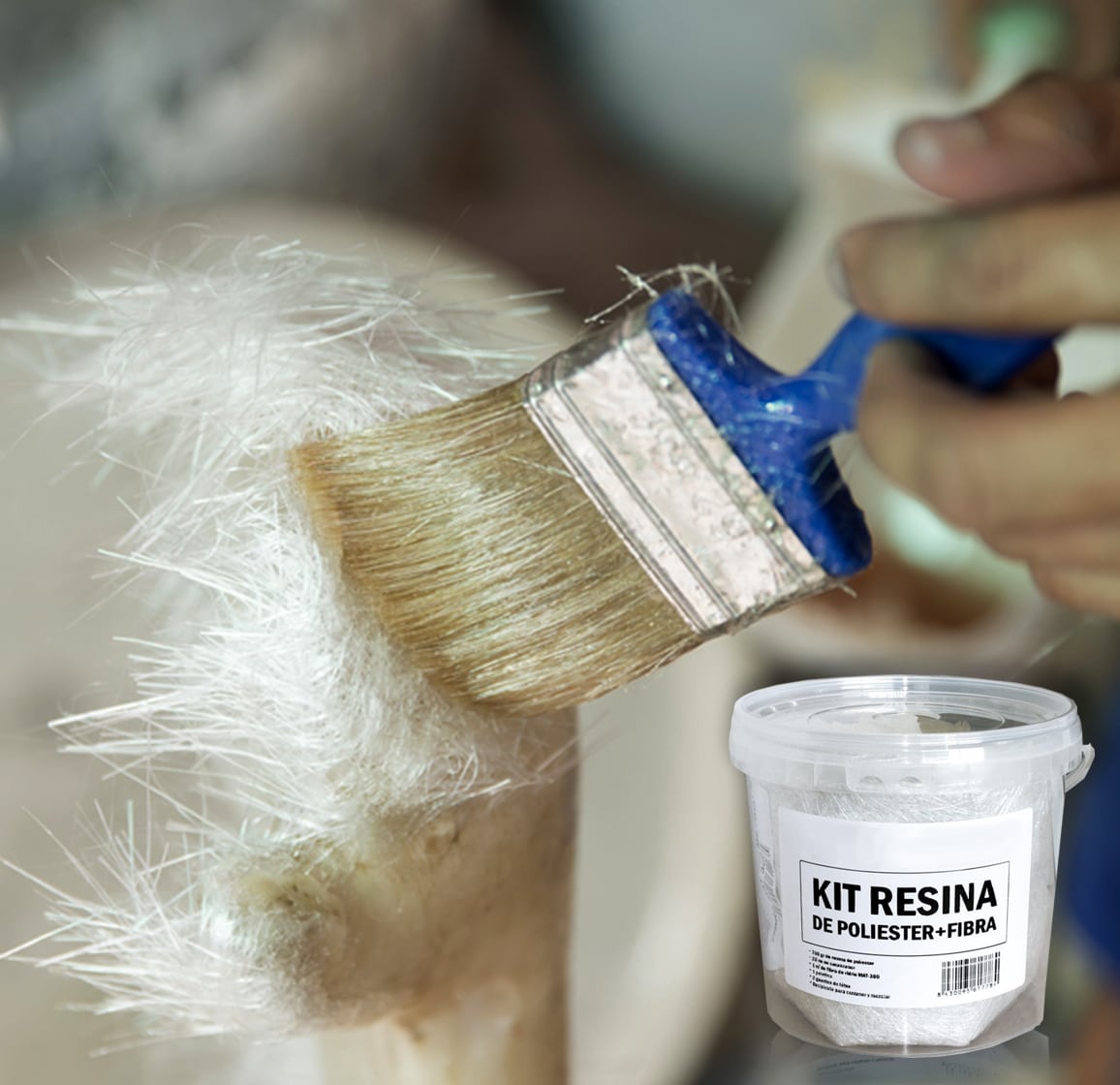
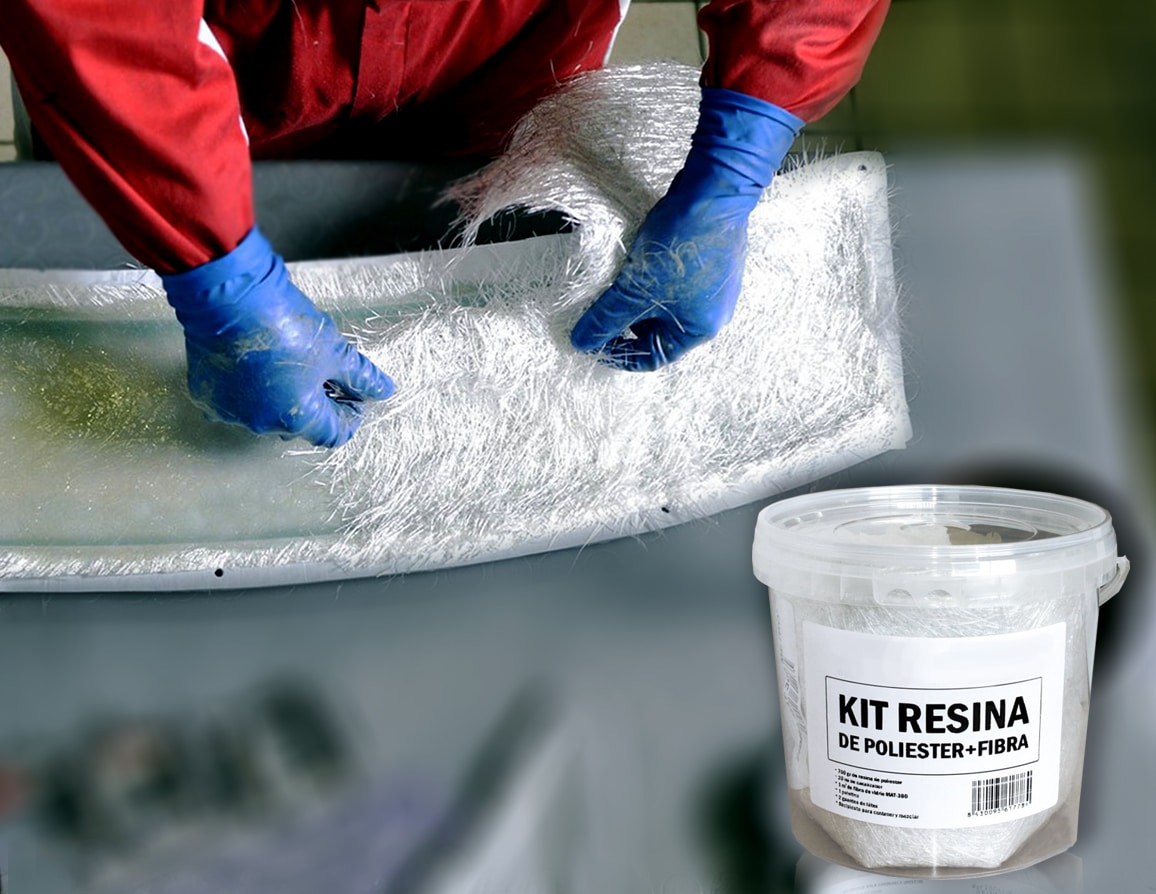
Stir the resin and catalyst mixture thoroughly to ensure uniform curing. Introducing moisture, oils, or dirt during mixing can result in improper bonding and weak spots in your repair. Use clean, dry containers and tools supplied in the kit for best results. Incomplete mixing is a frequent error, so take your time to blend until the mixture is fully consistent.
When This Matters: Reliable Waterproof Repairs
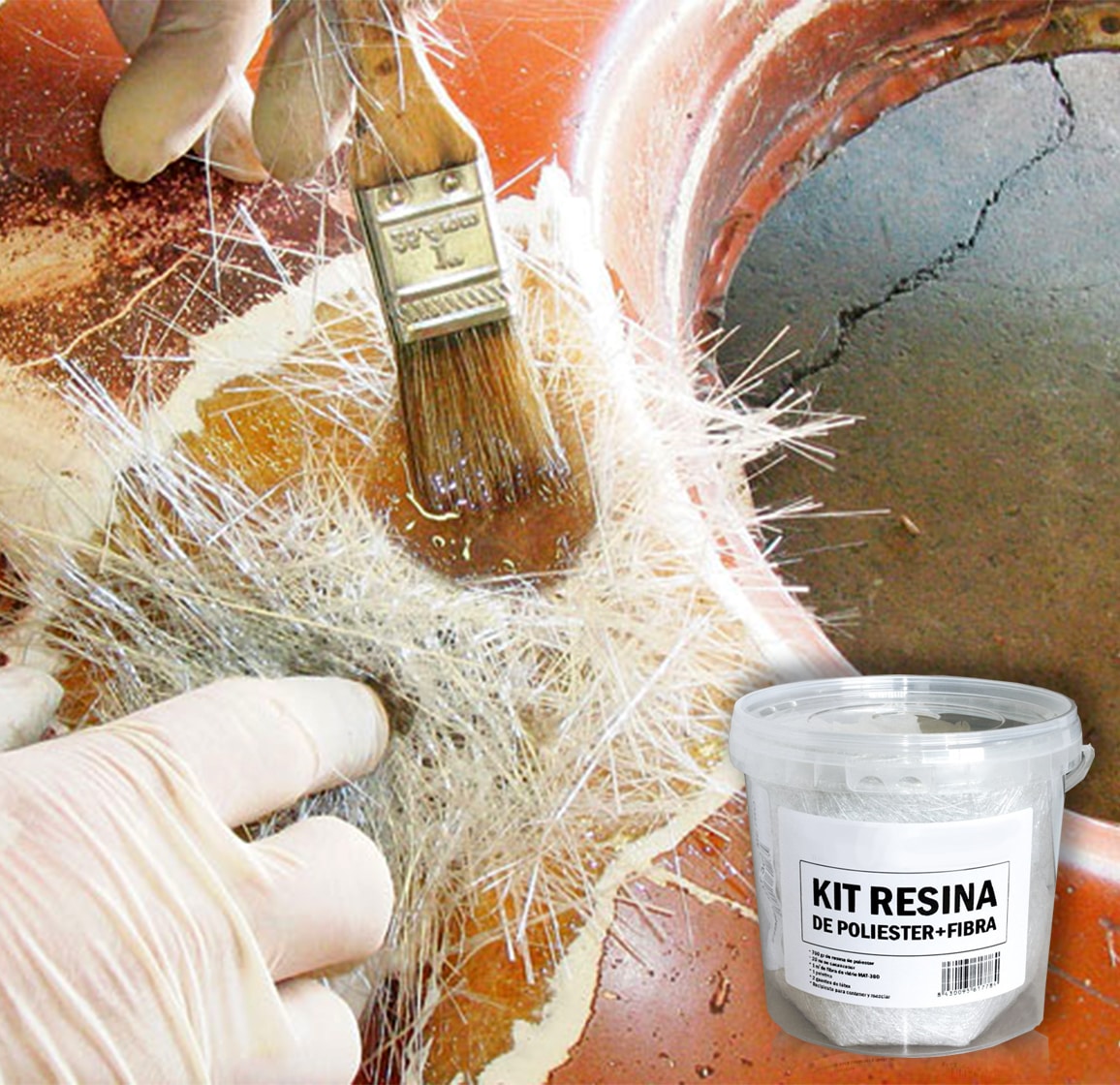
Getting the ratio and mixing right is especially important when you need waterproof, impact-resistant bonds – for example, on boats, pools, or pipes. Rushed preparation or guesswork can undermine the structural integrity of your repair, so extra care is essential for applications exposed to water or pressure.
Related products
Related guides
By sidestepping these common errors, you’ll achieve consistent, long-lasting results with polyester resin repairs. To delve deeper into accurate catalyst measuring, visit our main guide on how much catalyst to use in polyester resin.