 Free shipping on orders over £29,85
  Shipping Tracking!


 Google
 Facebook
How much catalyst to use in polyester resin?
Get safe, strong repairs with accurate catalyst measurement

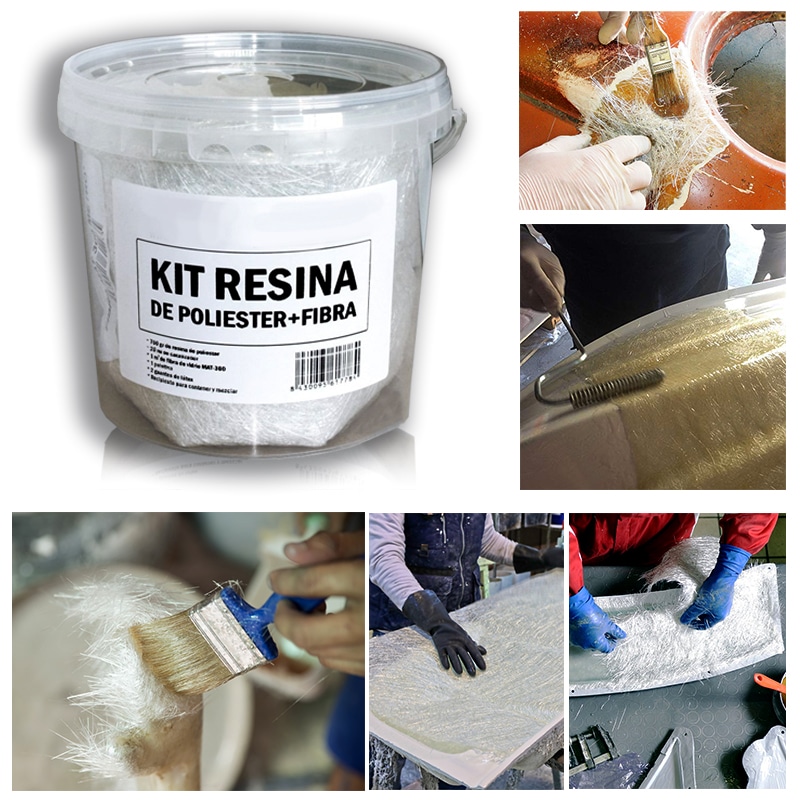
Understanding how much catalyst to use in polyester resin is essential for achieving strong, secure bonds in repairs or projects involving fibreglass, boats, pools, and rigid plastics. This guide covers the correct way to measure, mix, and apply catalyst (hardener) to polyester resin, ensuring reliable results and maximum durability.
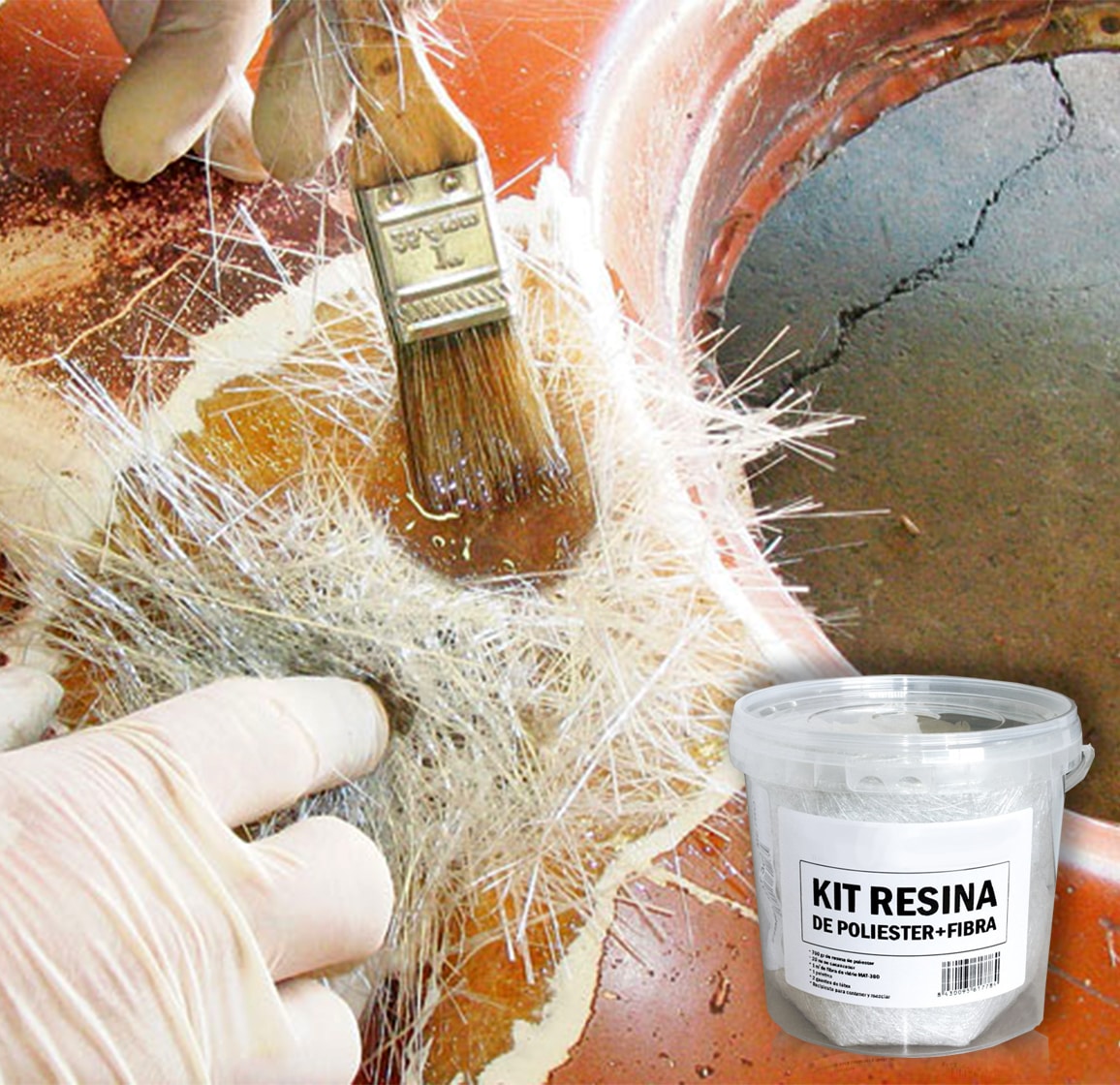
What You’ll Need
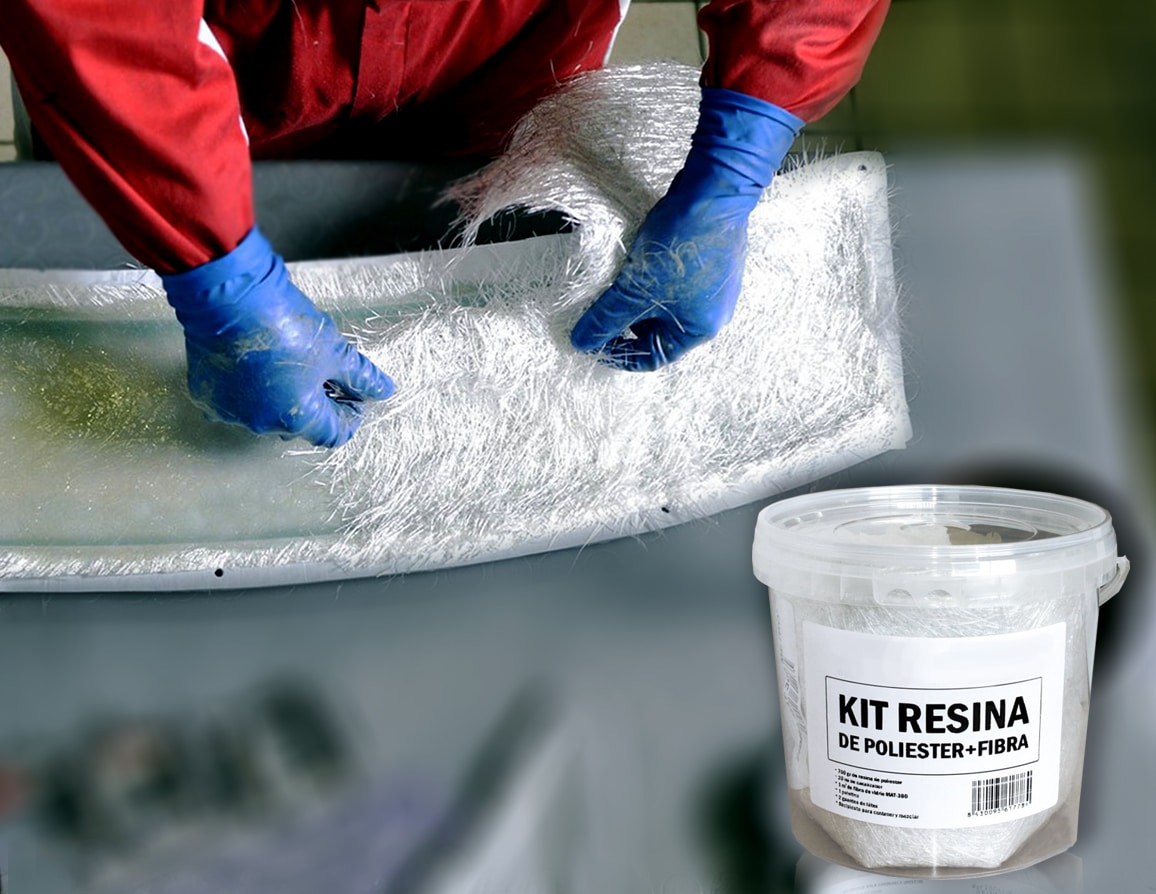
- Resin Fibreglass Repair Kit – Complete Polyester Resin and Hardener Set – an all-in-one solution for accurate catalyst mixing and fibreglass repairs
- Mixing container (provided in the kit or clean, inert plastic)
- Protective latex or nitrile gloves
- Brush for application
- Protective eyewear and mask (recommended for safety)
- Precision scales or measuring syringes (if not pre-dosed)
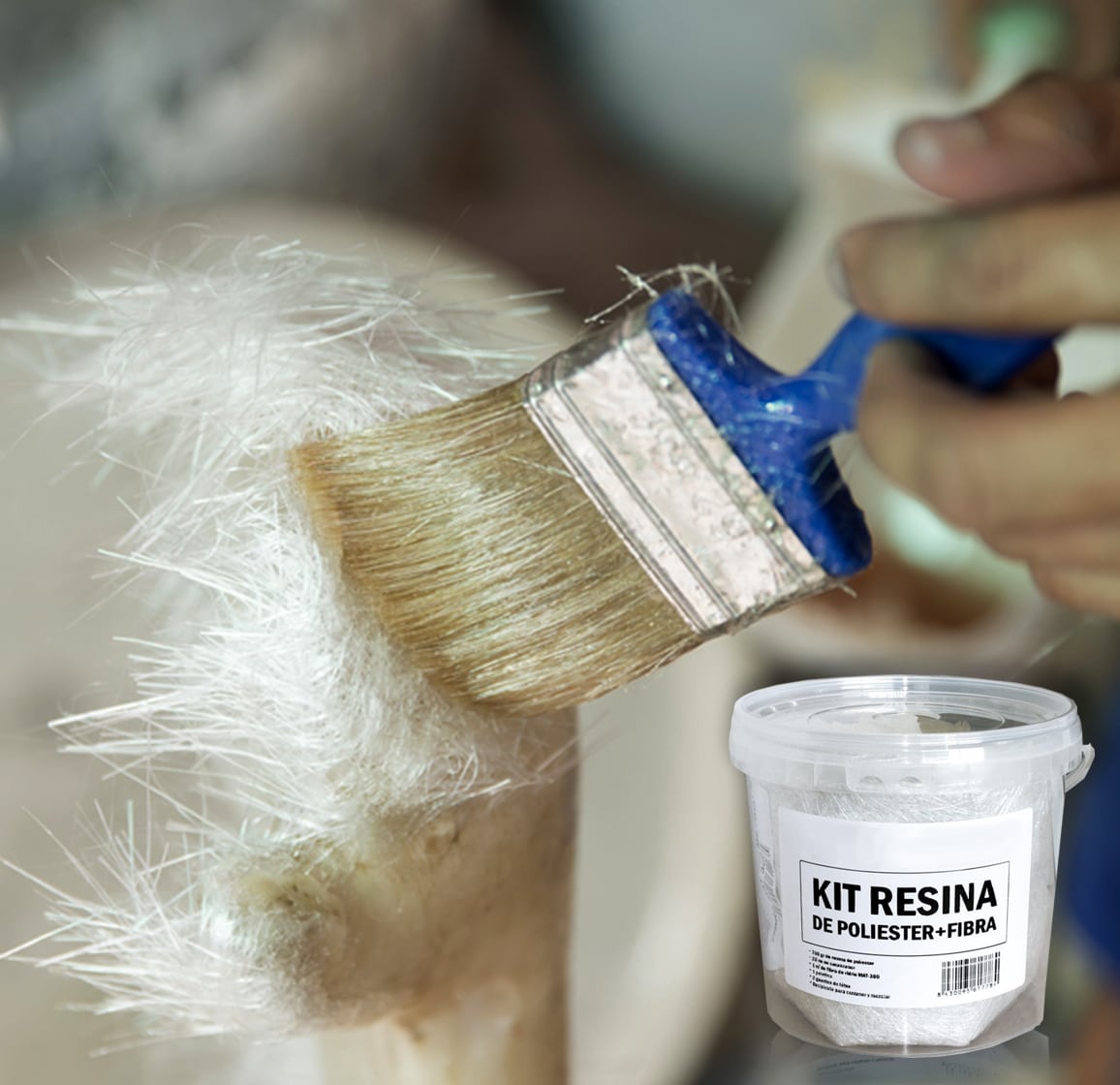
See Tools and Kit Contents Up Close
Discover the convenience of the Resin Fibreglass Repair Kit – Complete Polyester Resin and Hardener Set, which includes all essential components for safe, accurate catalyst mixing and application.
Step 1: Prepare Your Materials and Workspace
Choose a well-ventilated area with a dust-free, dry surface. Lay out all materials before beginning. Wear gloves and safety protection to avoid irritation from resin or catalyst fumes. Double-check that all containers are clean and dry, as moisture can affect curing.
Unpack your Resin Fibreglass Repair Kit – Complete Polyester Resin and Hardener Set to ensure you have pre-measured resin and catalyst ready for use. If working without a pre-measured kit, confirm that you have accurate measuring tools available.
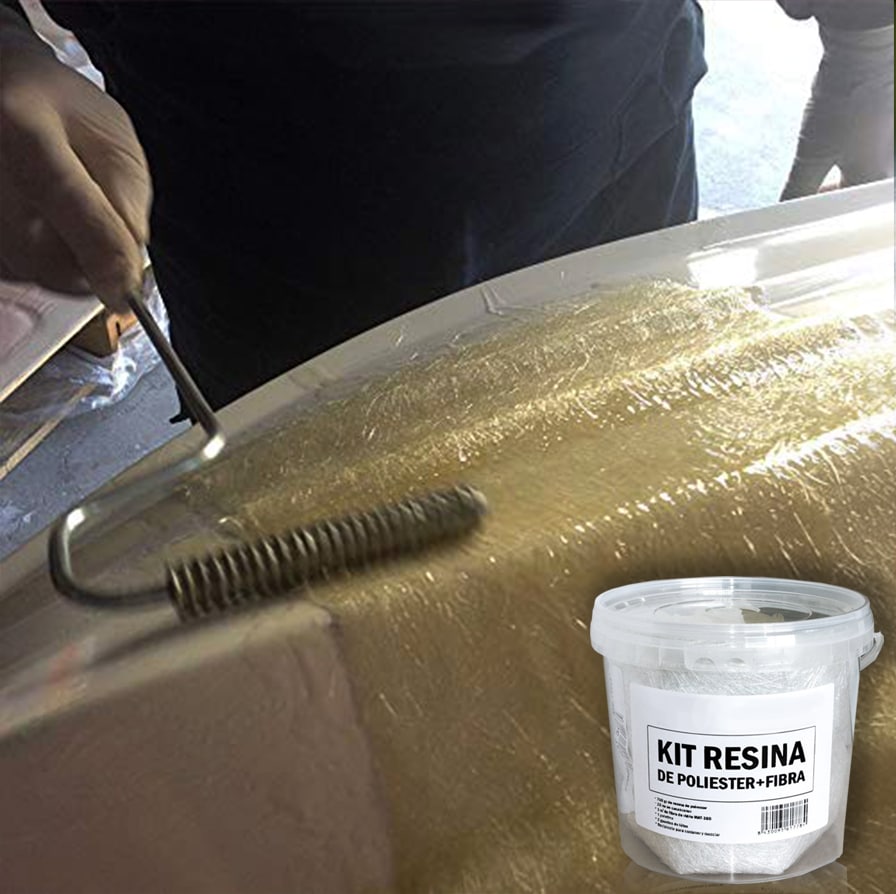
Step 2: Measure the Correct Catalyst Ratio
Precise catalyst measurement is critical when working with polyester resin. Standard practice is to use between 1% and 3% catalyst (hardener) by weight of resin, with 2–3% commonly recommended for most repair situations. Environmental conditions or specific applications may shift the optimum ratio, so always read your kit or product instructions.
For example, with the Resin Fibreglass Repair Kit – Complete Polyester Resin and Hardener Set, a 3% ratio is provided: use all 20ml of catalyst with 700g of polyester resin. If your kit supplies a different amount, follow the pack guidelines or use scales/syringes for exact measurement.
Add catalyst to the resin only when ready to mix, as the curing process will start immediately.
Step 3: Mix Resin and Catalyst Thoroughly
Pour the measured resin into a mixing container, then slowly add the calculated amount of catalyst. Use a disposable stick or spatula to stir steadily. Scrape the sides and bottom to ensure complete blending, as unmixed resin may remain sticky or never cure.
Mix thoroughly but promptly—polyester resin begins reacting straight away with catalyst, so you’ll have a limited working time (often 10–20 minutes depending on catalyst percentage and temperature). Avoid preparing more than needed for each stage of your project to prevent premature gelling.
Step 4: Apply and Allow to Cure
Once the resin and catalyst are fully mixed, apply the blend immediately to your repair area using a brush or roller. Distribute evenly over the fibreglass mat or prepared surface, working briskly to keep ahead of curing. Ensure the resin soaks through for a secure bond.
Allow the area to set undisturbed. Check your kit’s guidelines, but typical curing at room temperature takes a few hours to harden and continues to strengthen over 24+ hours. Avoid disturbing or exposing to moisture during this time.
Tips and Common Mistakes to Avoid
- Avoid these common errors: over- or under-dosing catalyst can cause poor curing (too much may crack or cure too quickly; too little leaves the resin tacky).
- Never mix catalyst and resin in large quantities unless you can apply all at once.
- Maintain safety—always work in ventilated areas and use protective gloves and eye protection.
- Always review instructions for each kit as ratios and working times may differ.
Mixing and Measuring in Real Projects
Watch how professionals measure and mix exactly the right resin-to-catalyst ratio to guarantee waterproof, impact-resistant repairs. Explore real-world applications for boats, pools, and rigid plastics.
Frequently Asked Questions
What is the recommended catalyst ratio for polyester resin?
Most repairs use 2–3% catalyst by weight of resin, but always check your kit’s instructions.
What happens if I add too much catalyst?
Excess catalyst can make resin cure too quickly, cause brittleness, or weaken the final bond.
What if I use too little catalyst?
Insufficient catalyst leads to tacky, undercured resin that remains soft or sticky over time.
How much working time do I have after mixing resin and catalyst?
You generally have 10–20 minutes working time, depending on catalyst ratio and temperature.
How do I measure catalyst if not using a kit?
Use precise scales or syringes to dose the catalyst at the correct percentage by weight of resin.
Do I need gloves and eyewear when handling polyester resin and catalyst?
Yes, gloves and protective eyewear are strongly recommended to prevent irritation or accidents.
Should I prepare the surface before applying polyester resin?
Surfaces should be clean and dry before application to ensure proper adhesion and curing.