 Free shipping on orders over £29,85
  Shipping Tracking!


 Google
 Facebook
← Back to How to use cameo resin?
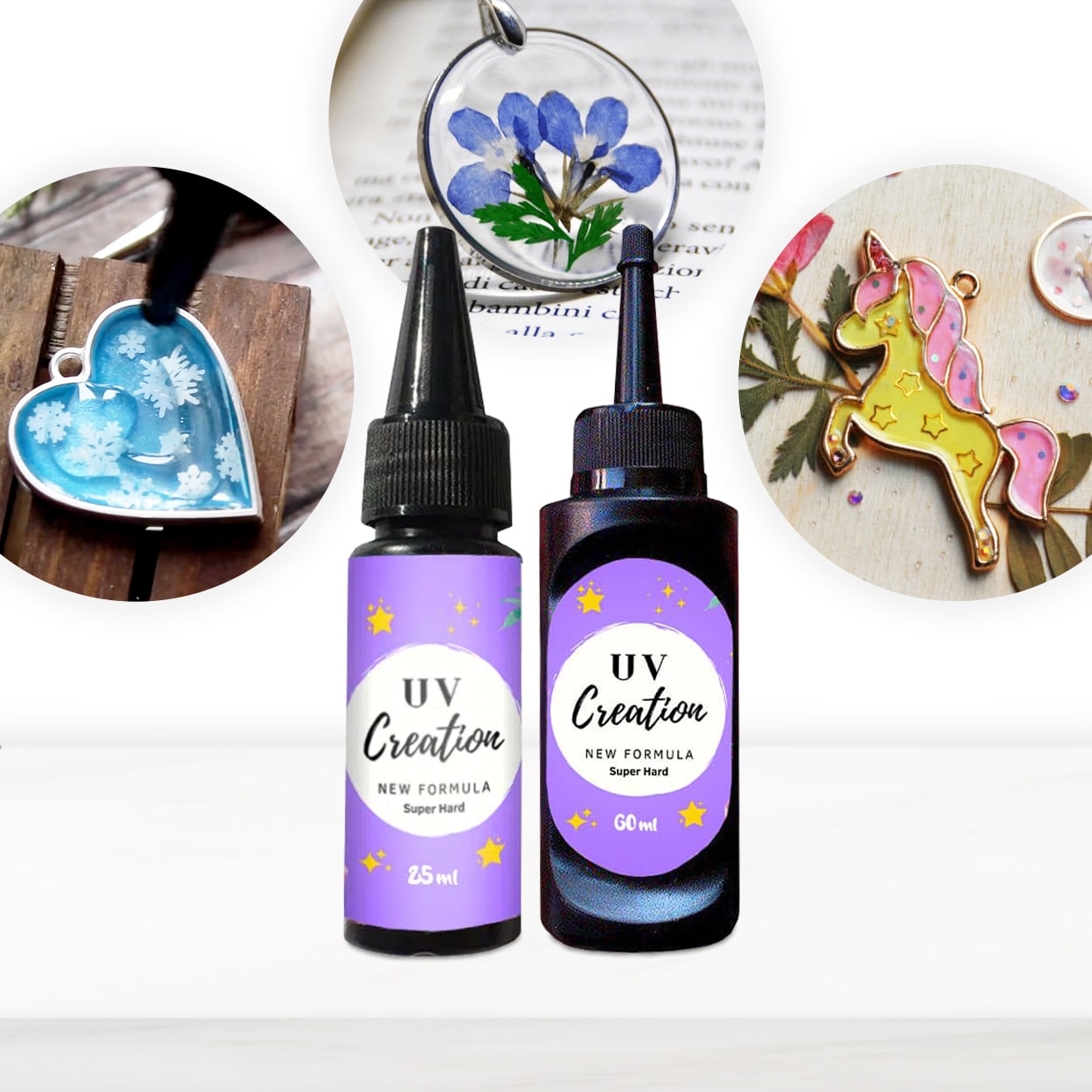
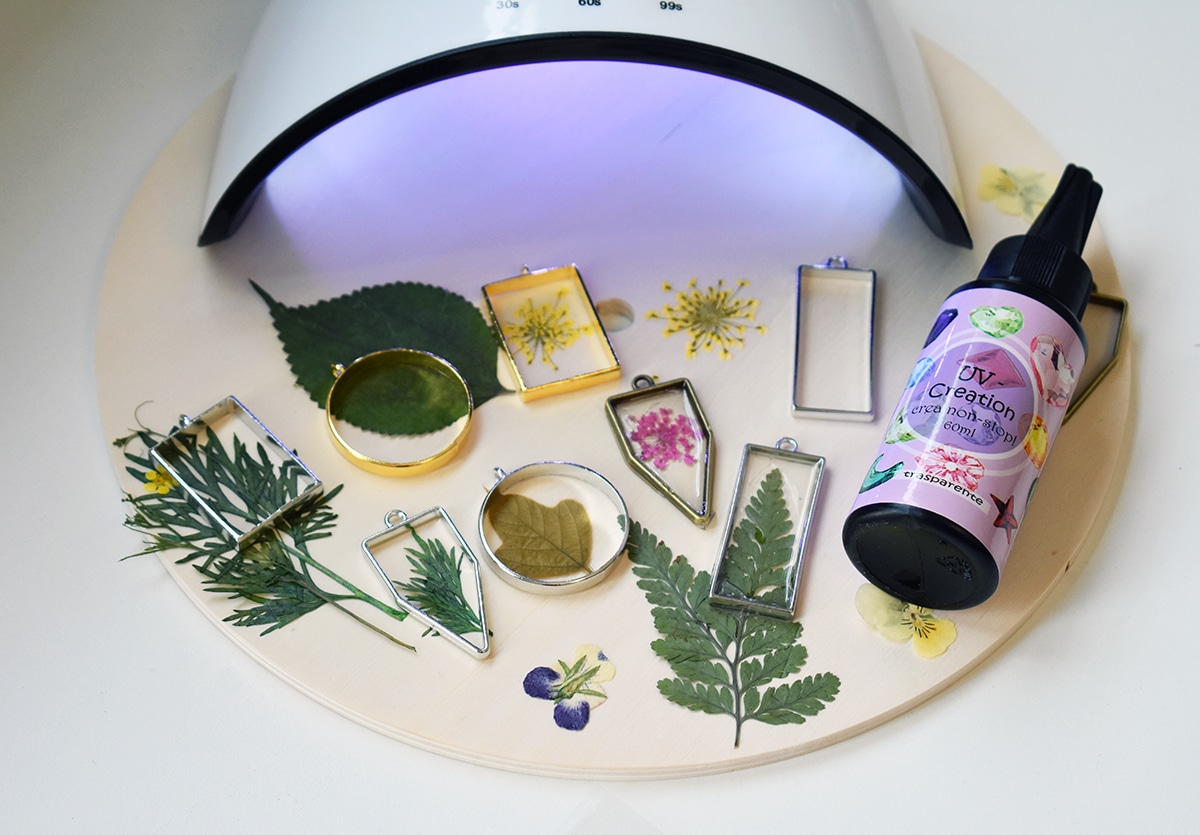
Thick resin pours can be tempting, especially when aiming for bold effects or deeper jewellery pieces. However, exceeding your resin’s recommended layer thickness often leads to a range of complications from incomplete curing to trapped bubbles, especially in cameo or jewellery making. Here’s why sticking to thin layers really matters.
Why Layer Thickness Limits Matter
Every resin product has a safe maximum pour thickness—typically 3mm with UV resins and up to 1cm with some epoxies. Pouring in thicker layers than specified can cause insufficient curing, soft spots, yellowing, or even overheating. For example, the “UV–Creation” Fast Acrylic Resin should always be applied in thin, 3mm layers for optimal results.

How to Build Up Depth Safely
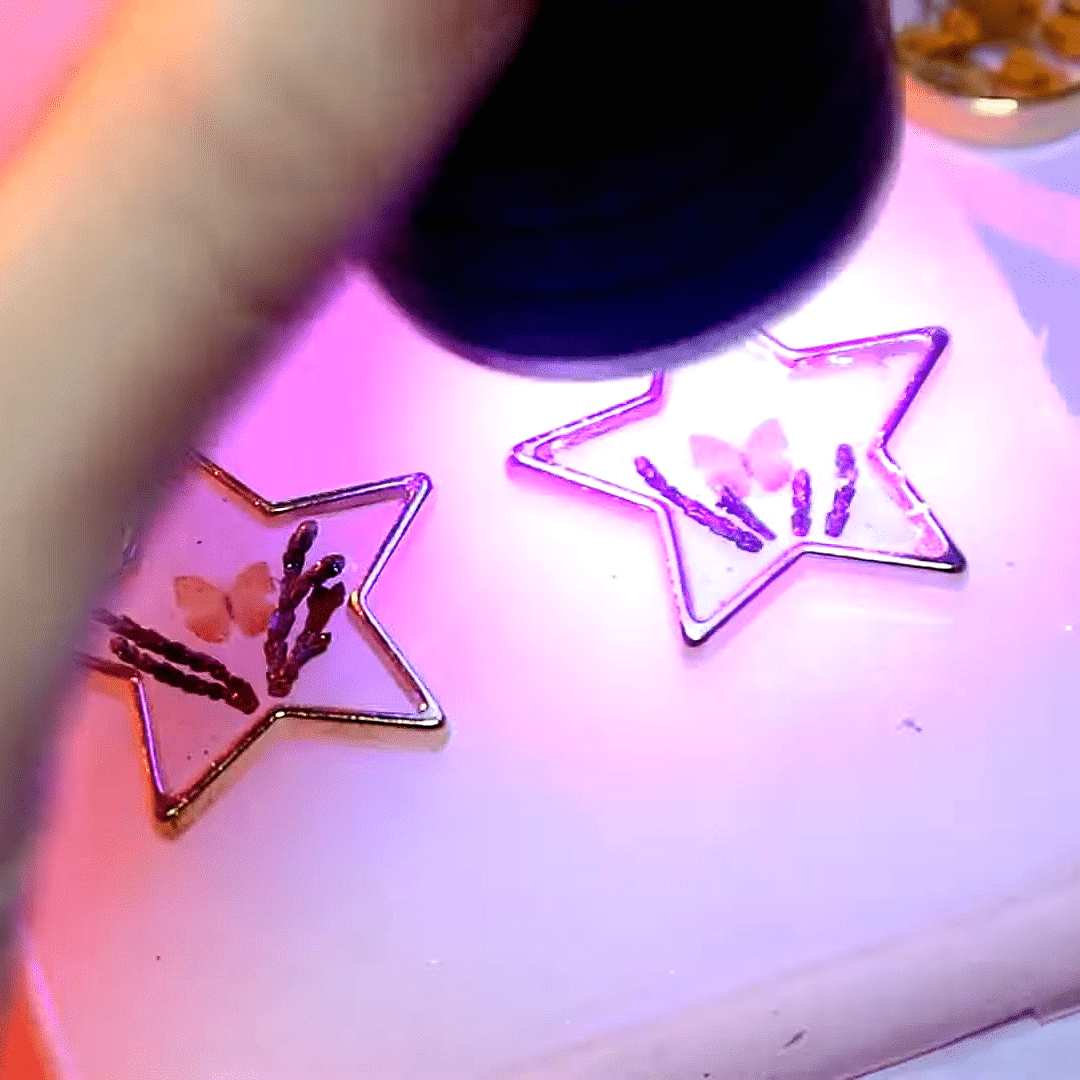
To create thicker pieces, work in multiple layers. Allow each layer to cure fully before adding the next—UV resins cure quickly layer by layer under a UV lamp, while epoxy resins may require several hours in between pours. This gradual approach avoids overheating and ensures a consistent, durable finish throughout your project.
- Keep layers even and within the product’s stated maximum thickness.
- Use clear or detailed moulds to check for any uncured spots between layers.
- Remember that additional time and patience yield far better final results.
When This Matters Most
Observing pour thickness is particularly important when making jewellery, intricate cameos, or decorative reliefs. Small details, transparency, and clarity all benefit from letting each layer cure fully before proceeding. Skipping this step can compromise the quality and durability of your finished piece.

Related products
Related guides
In summary, respecting the recommended pour thickness helps you achieve professional results and long-lasting creations with cameo resin. For more expert tips on the entire process, be sure to explore our main guide on how to use cameo resin.