 Free shipping on orders over £29,85
  Shipping Tracking!


 Google
 Facebook
← Back to How do you prepare a base for resin?
Choosing the right base material is essential for achieving quality results when pouring or casting resin. A well-prepared surface provides stability, helps prevent warping, and supports a flawless resin finish.
Top Choices for Resin Bases
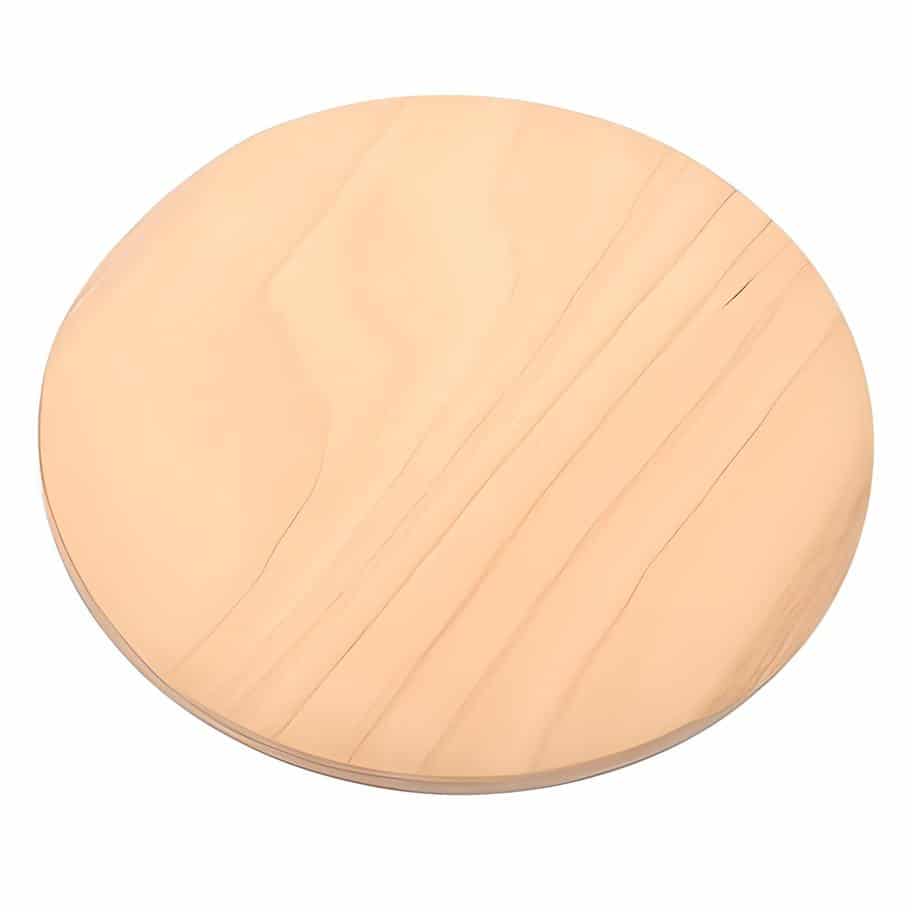
The most recommended surfaces for resin casting are sturdy and flat. MDF (medium-density fibreboard) and sealed hardwood boards are both common options. MDF is popular due to its smooth surface, availability in multiple sizes, and resistance to bending. MDF Board Bases, such as the MDF Board for Epoxy Resin Table and Art Projects, offer consistent stability for small and large resin pieces alike.
Sealed hardwood bases are also suitable, especially for projects requiring an exposed wood grain. If using hardwood, ensure it is properly sealed to prevent air or moisture from affecting the resin.

Preparing Your Base Material
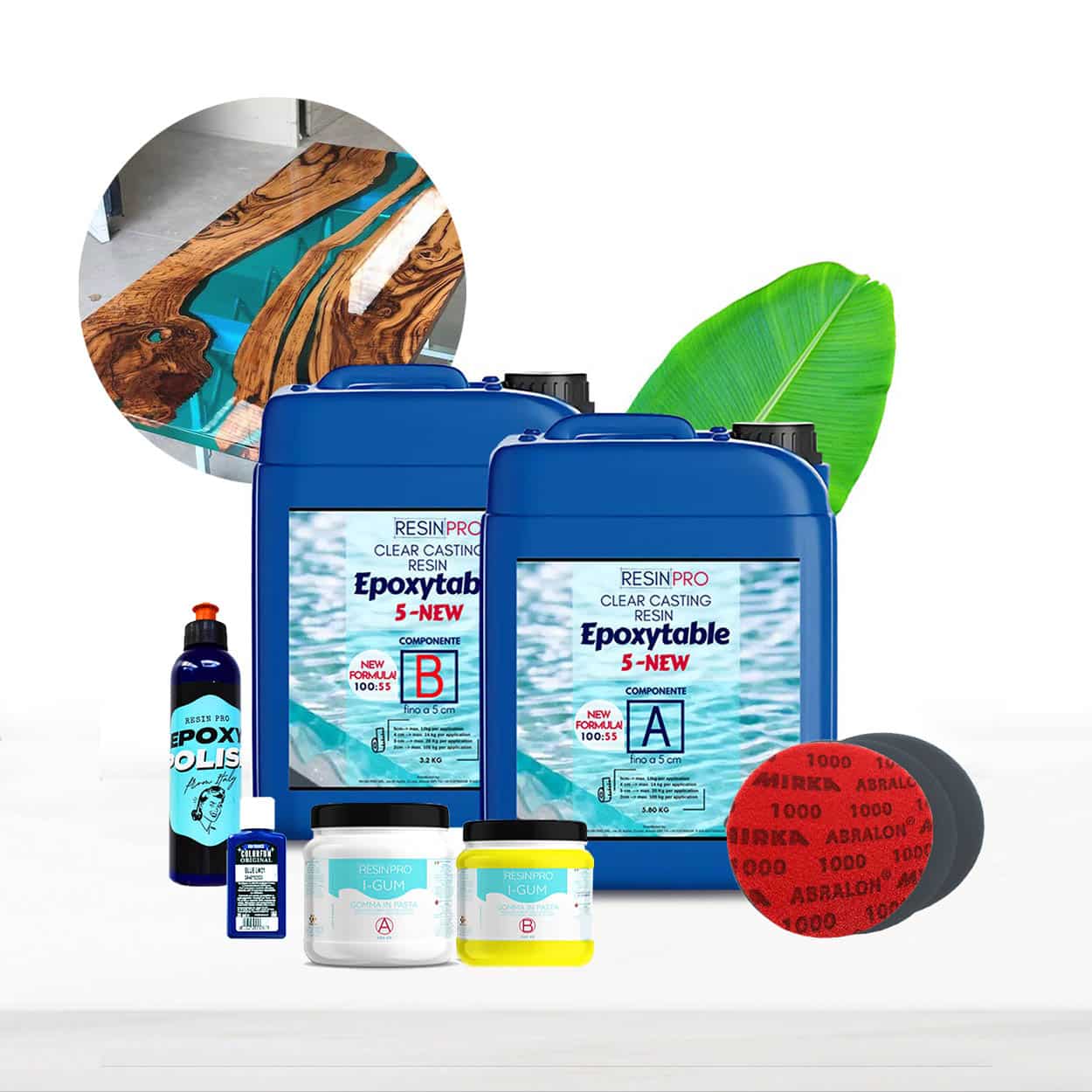
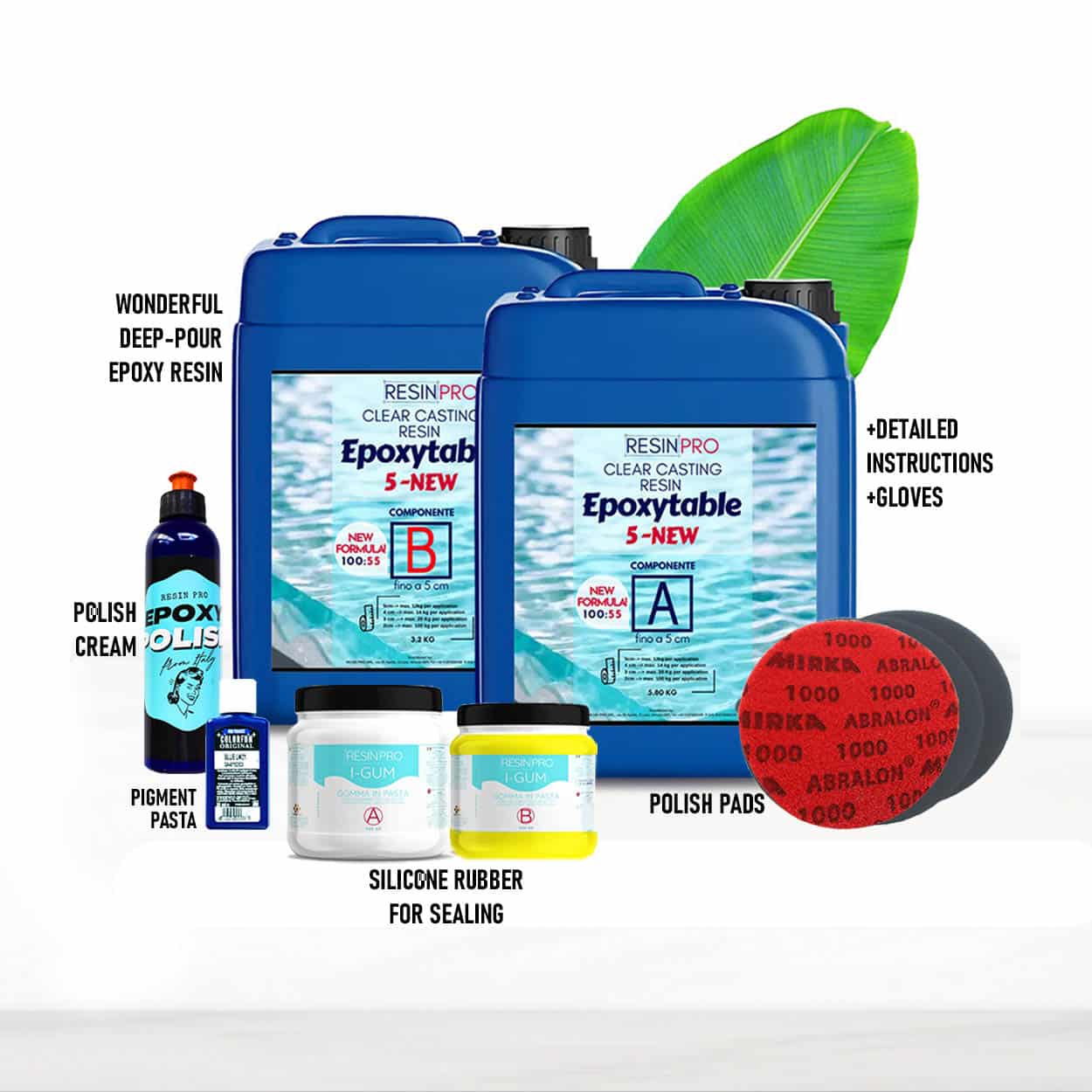
Regardless of your material, preparation is crucial. Always check that your base is dust-free, level, and free from any warping. Sealing raw wood or MDF with a suitable primer or sealant helps prevent resin penetration and bubbles. For complex pours, using a release film or lining can make removing finished projects easier—some kits, like the “River-Table” Complete Kit, include special films for this purpose.
When Surface Choice Matters Most
The choice of base is particularly significant when aiming for custom-made tabletops, intricate resin artwork, or pours with considerable thickness. A reliable, stable base minimises movement and supports even curing, especially in multilayer or large-scale projects.

Related products
Related guides
Selecting the right base makes all the difference in resin crafts. For more advice on base preparation and resin techniques, visit our main guide on how to prepare a base for resin.