 Free shipping on orders over £29,85
  Shipping Tracking!


 Google
 Facebook
← Back to How to resin a circuit board?

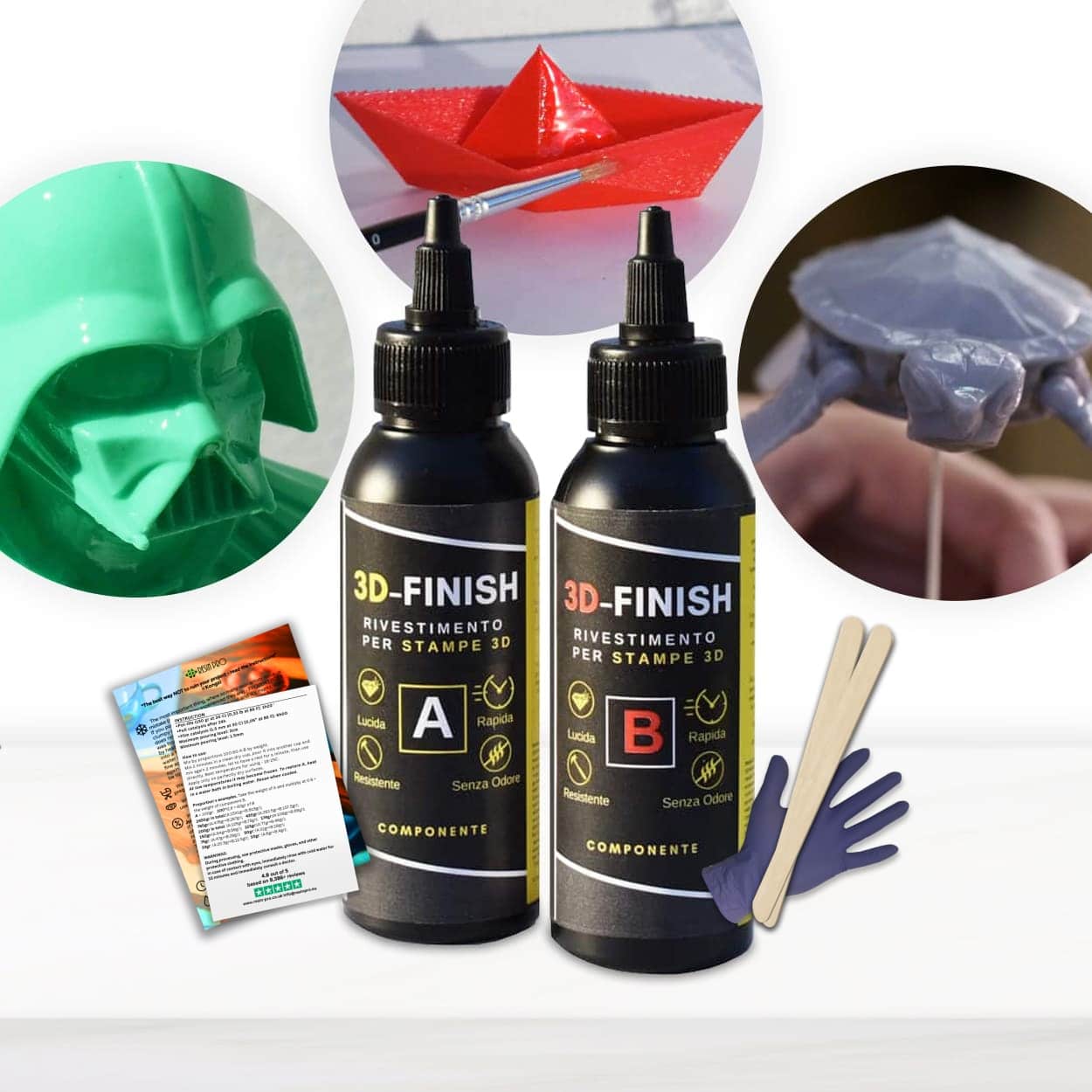
If you’re protecting a circuit board with a resin coating, choosing the right epoxy is crucial for lasting clarity and protection. Here’s a practical guide to selecting the best epoxy for your electronic projects.
Key Features to Look For in Epoxy Resins
For circuit board applications, opt for a clear, medium-viscosity epoxy. A product such as “One-2-One” – Epoxy Resin for Handcraft offers a reliable balance—its consistency ensures even coverage without excessive run-off. An easy 1:1 by volume mixing ratio simplifies preparation, helping both beginners and experienced users achieve an error-free finish. Look for epoxies with good UV resistance and non-toxic formulation if you value a clean, durable, and safe final surface.
Practical Application Tips
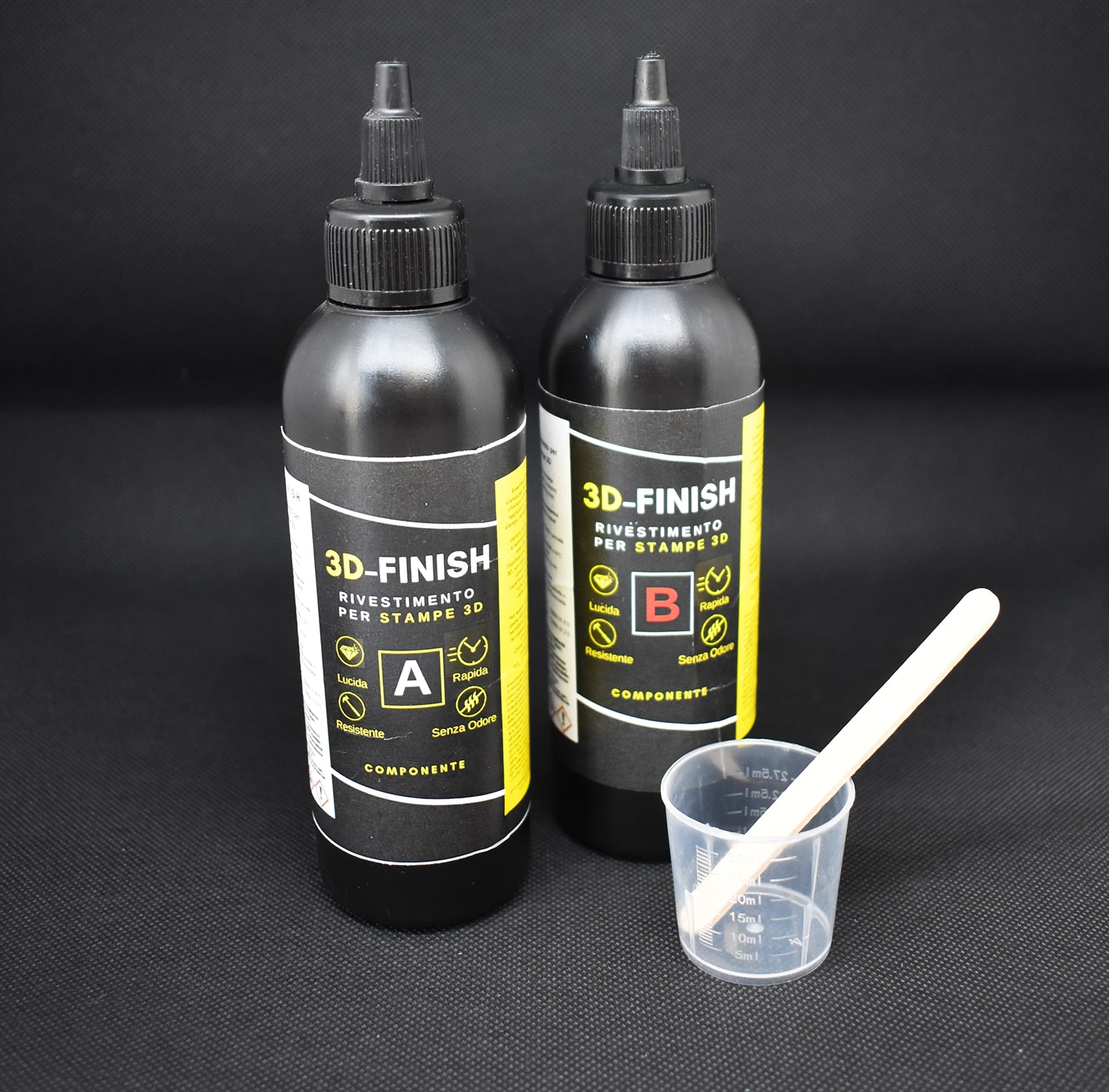
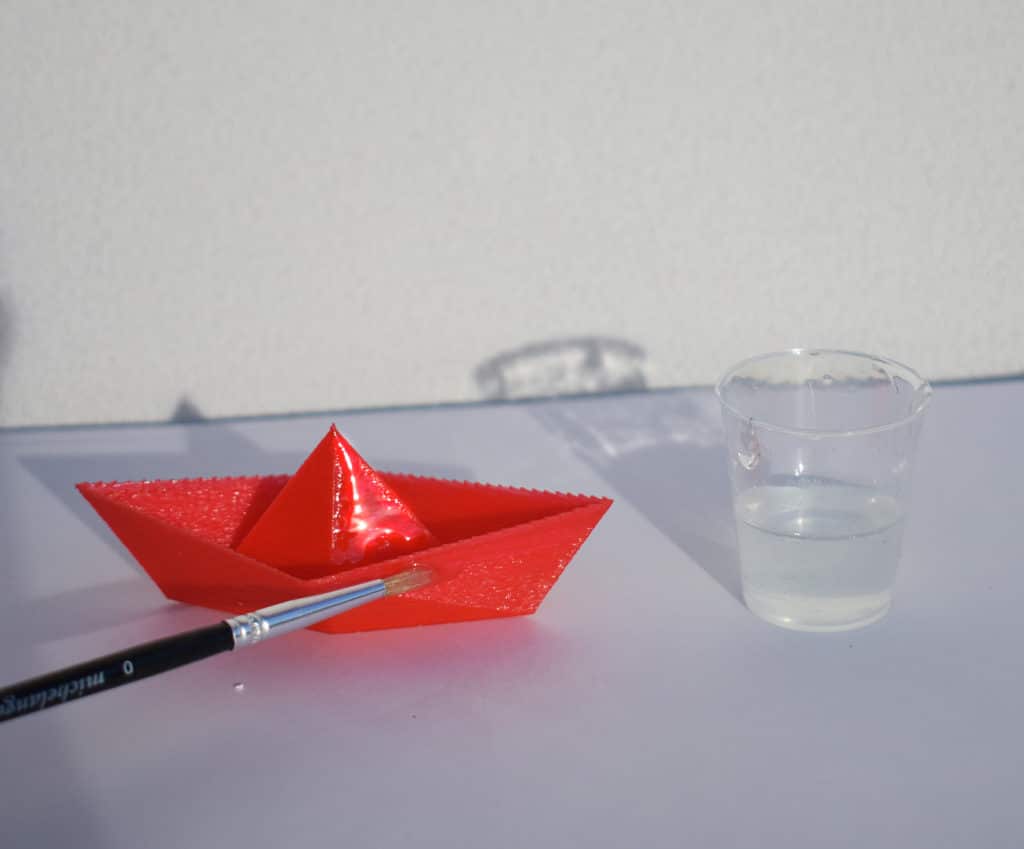
Before applying the epoxy, carefully clean your circuit board with a high-purity cleaner such as isopropyl alcohol to remove grease and dust. Mix the resin and hardener thoroughly in equal parts by volume, scraping the sides of your container to avoid unmixed residue. For optimal results, use accurate measuring tools like precision digital scales or graded mixing cups. Apply the resin evenly, using a fine brush or by gently pouring it over the board, allowing it to self-level for a glossy, protective coat.
When Is Epoxy Coating Most Important?
Epoxy coatings matter most when your circuit boards face moisture, dust, or regular handling. A quality resin shield helps prevent corrosion and environmental damage, extending the lifespan of your electronics whether they are prototypes or finished devices.
Related products
Related guides
Selecting the right epoxy creates genuine peace of mind, giving your circuit boards the clear, dependable protection they deserve. For more help on safe and effective resin application, see our full guide: How to resin a circuit board?