 Free shipping on orders over £29,85
  Shipping Tracking!


 Google
 Facebook
← Back to How do you make a resin casting?
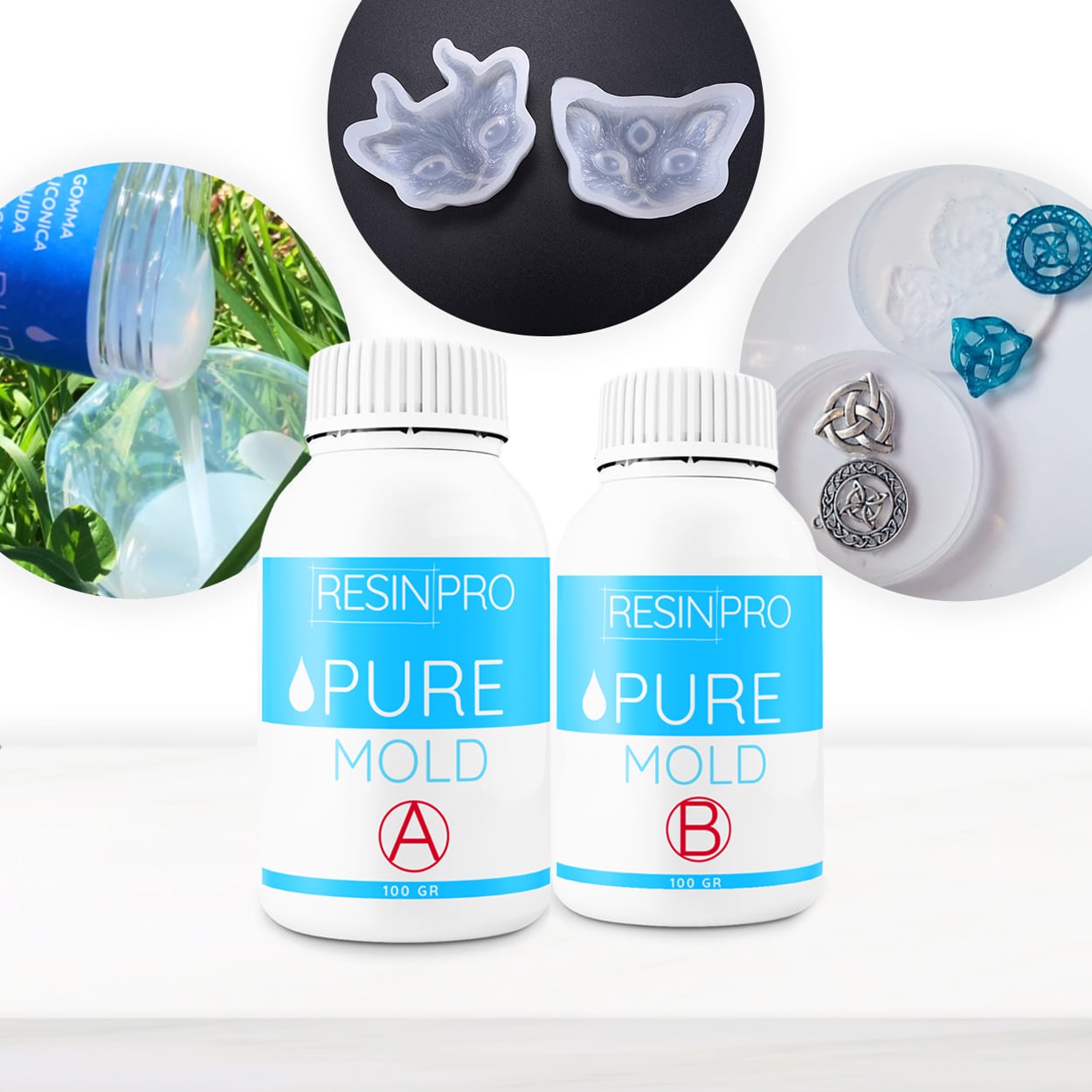
Choosing the right mould material makes all the difference in resin casting, especially if you want precise, reusable outcomes. Let’s explore the best options for smooth and successful results.
Why Silicone Rubber Is Most Recommended
Silicone rubber stands out for resin casting projects due to its flexibility, which allows easy removal of detailed castings without damage or distortion. Its superb release characteristics mean less sticking, saving both time and material. Translucent platinum-based silicones, such as Pure Mould, let you monitor the casting process for bubbles or imperfections, making them a favourite for both professionals and hobbyists.
Tips for Successful Mould Making
- Mix Accurately: Use an easy 1:1 ratio silicone for straightforward mixing—helpful for consistent results every time.
- Allow Proper Curing: Silicone rubbers typically cure in 3–8 hours, but larger moulds may require extra time to set fully and avoid shrinkage.
- Clean Casting: Silicone is compatible with epoxy, polyester, polyurethane, and even cement or plaster, so you can use one mould for various creative ideas.
When This Matters
Carefully choosing your mould material is crucial when casting items with intricate details or planning to reuse the mould multiple times. Silicone’s combination of durability and non-stick qualities is key for those cases.
Related products
Related guides
Getting the mould right is the foundation of every quality resin casting project. If you’re keen to learn more about the full process, see our main guide on how to make a resin casting.