 Free shipping on orders over £29,85
  Shipping Tracking!


 Google
 Facebook
← Back to How to create a resin paint drip effect?
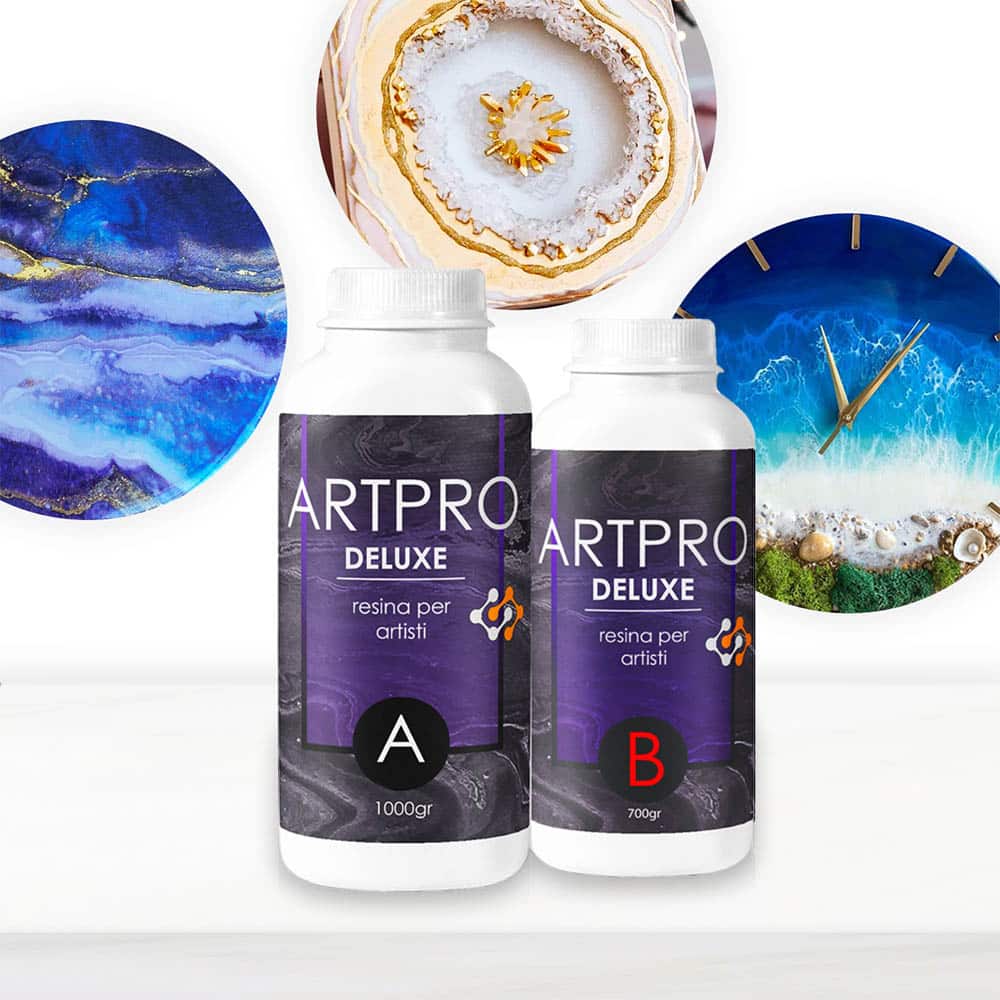
Achieving crisp, controlled resin drips calls for the right materials. The viscosity of your resin will determine how well you can create defined lines and striking drip effects without colours blending where you don’t want them to.
Why Ultra-High Viscosity Resin Is Essential
When it comes to drip techniques in resin art, the most important property is viscosity. Ultra-high viscosity resins, such as Art Pro Deluxe, resist flowing too quickly. This means you can apply drops, lines, or patterns that will remain separated and crisp, rather than merging into one another. It’s ideal for designs where control and clean edges are crucial—whether working on geode art, wave effects or abstract patterns.
Practical Tips for Controlled Resin Drips
- Mix your resin thoroughly but gently to minimise bubbles, using a slow stir and allowing it to rest before use.
- Choose a high-viscosity resin to keep your drips in place rather than running and flattening out.
- Pour small, controlled amounts and use pipettes or sticks for accuracy.
- Work on a level surface and keep your working area dust-free to maintain clean lines.
For those looking to experiment with detailed techniques, free tutorials—such as the Resin Ocean Art Lesson by Natalia Natirum—can further guide your experiments with drip and pour effects.
When Precise Drip Control Matters Most
Choosing the best resin for drip techniques is particularly important when your art relies on well-defined separation between colours or when layering different effects. Any project that features bold lines, intricate shapes, or textured highlights will benefit from the use of a highly viscous resin for maximum precision.
Related products
Related guides
Opting for the right high-viscosity resin lets you master striking and controlled resin drip effects with ease. Explore more techniques and advice in our main guide on how to create a resin paint drip effect.