 Free shipping on orders over £29,85
  Shipping Tracking!


 Google
 Facebook
← Back to What happens if I mix resin and plaster?

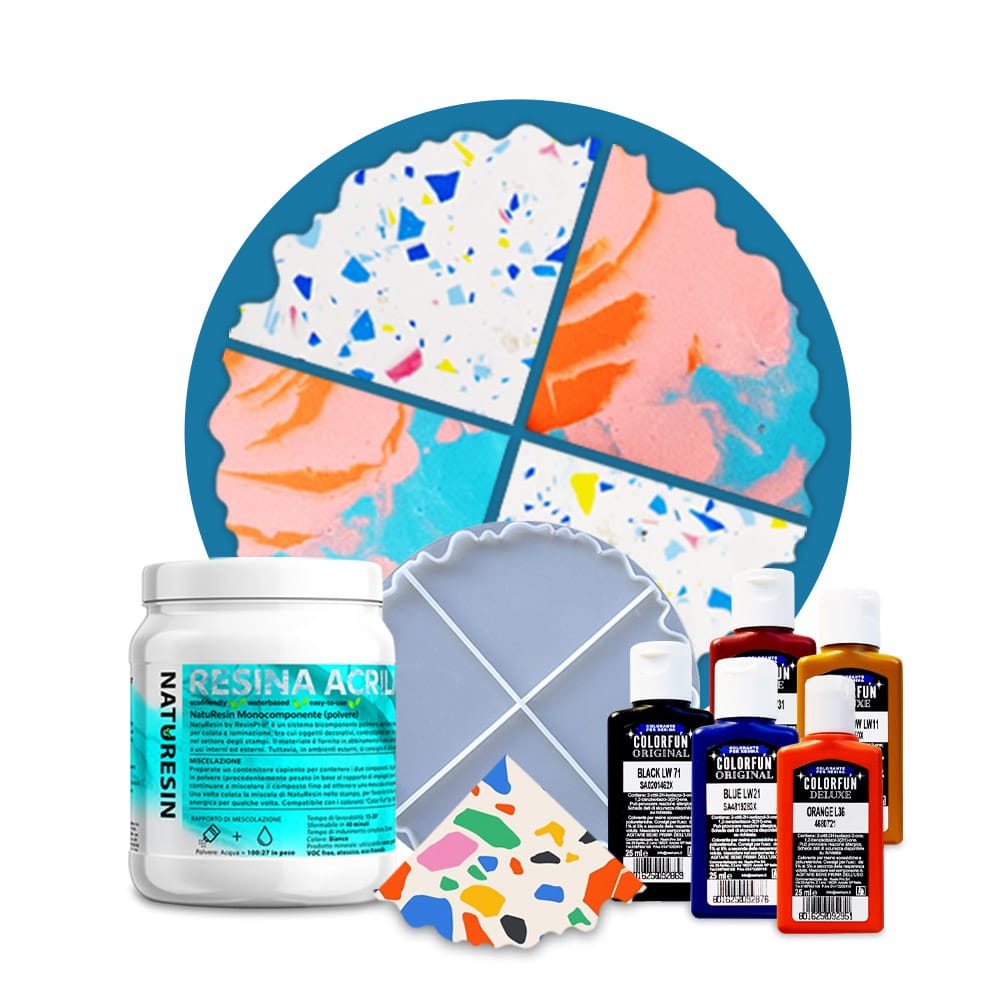
Choosing the right type of resin for your project makes a big difference in the final result. Casting and coating may look similar, but each application benefits from a specifically formulated resin.
Why the Difference Matters
Casting resins are designed to be poured in thicker layers, so they cure slowly, minimising heat build-up and reducing bubbles. In contrast, coating resins (also called laminating or finishing resins) cure more rapidly and are optimised for surface applications, ensuring a smooth, glossy finish without sagging.
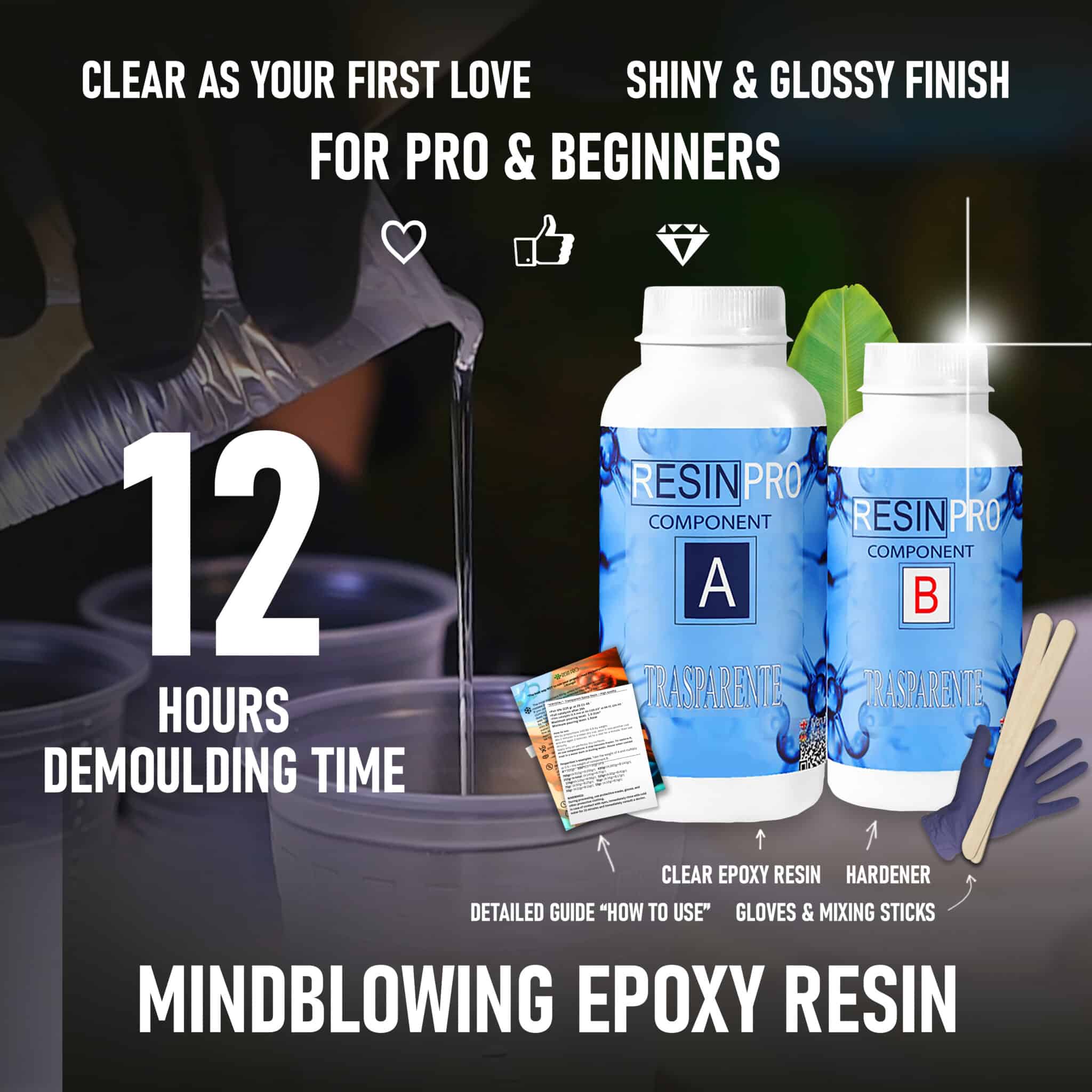
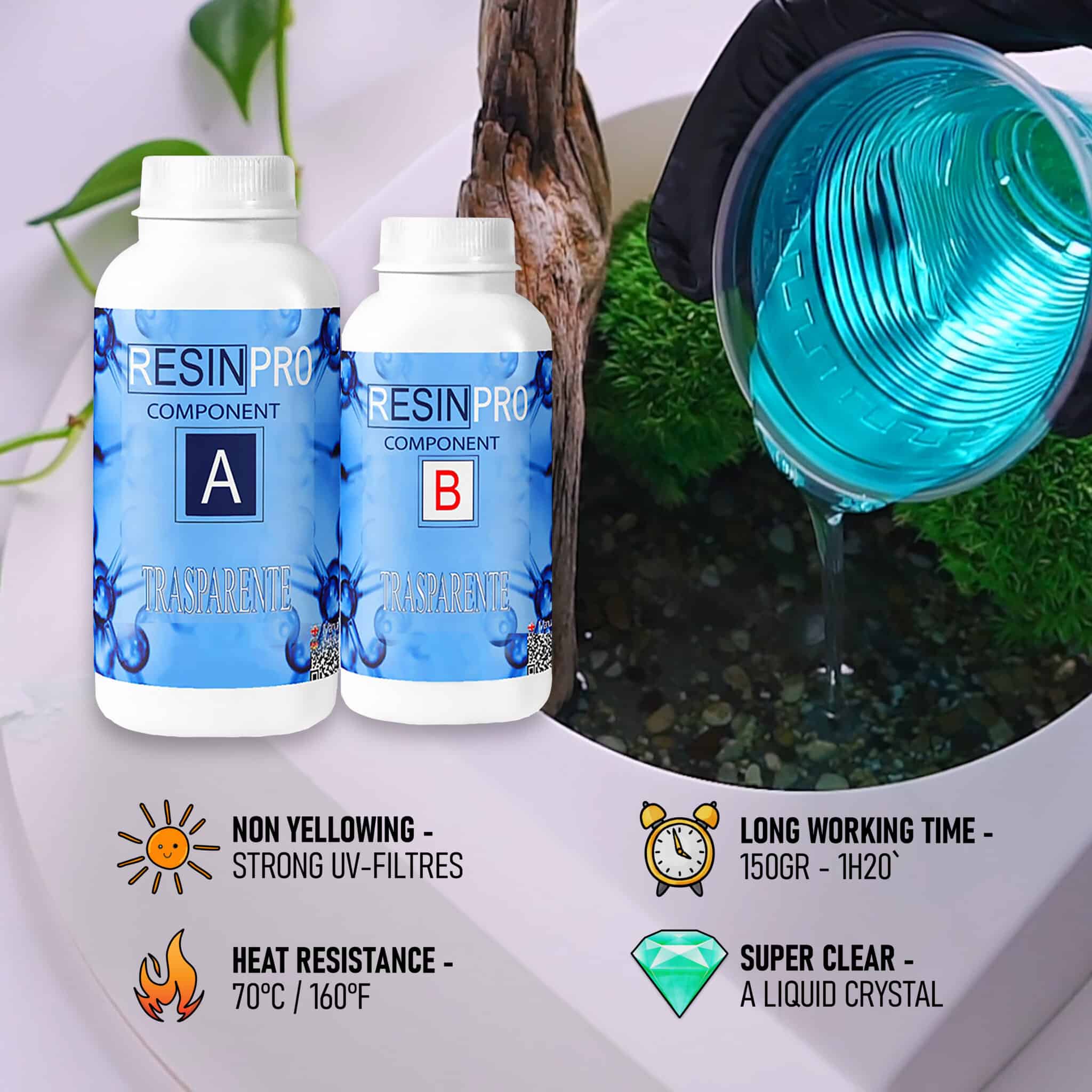
- Casting: Use for creating objects, embedding items, or making deep pours up to recommended thickness (such as 2cm for “Trasparente” resin).
- Coating: Ideal for a clear, durable finish on surfaces or for jewellery and small crafts, such as with the “One-2-One” resin.

Practical Guidance for Selection
When planning your project, always check the manufacturer’s recommended layer thickness. For deep casts, a resin like “Trasparente” provides clarity and is formulated to prevent overheating when layered up to 2cm. For surface work—such as sealing artworks, tabletops, or making jewellery—”One-2-One” delivers a glossy, bubble-free coat and convenient 1:1 mixing by volume, making it perfect for detailed coating jobs.
Attempting to use casting resin for coatings may result in a tacky or uneven finish, while using a coating resin for deep casts can cause cracking or incomplete curing.
When This Choice Matters Most
If your project involves multiple layers, embeds, or both deep sections and surface finishing, you may need both types of resin. Many artists cast a core piece with a specialist casting resin, then finish with a surface coating for added gloss and protection.
Related products
Related guides
Selecting the right resin for casting or coating ensures your artwork or handmade object turns out as intended. For more guidance on using resins in combination with other materials, see our advice on mixing resin and plaster.