 Free shipping on orders over £29,85
  Shipping Tracking!


 Google
 Facebook
← Back to How to put an insect in resin?
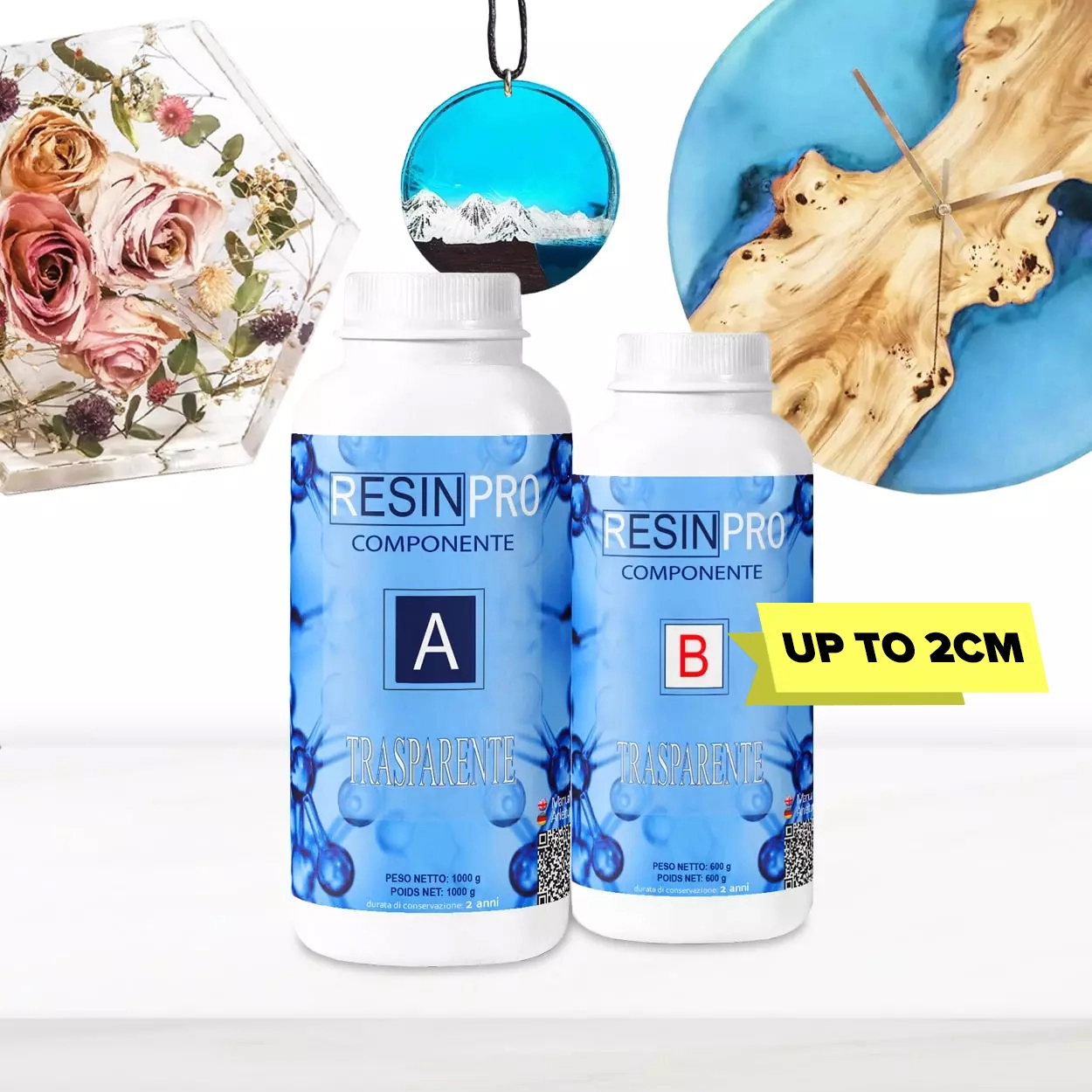
Embedding insects in resin is a popular way to create unique, lasting displays with preserved natural beauty. Choosing the right resin is crucial for both clarity and the long-term appearance of your finished piece.
What Makes a Resin Suitable for Insect Embedding?
The best resin for embedding insects is a clear, multipurpose epoxy with a low viscosity. Low viscosity allows the resin to flow easily around the insect, reducing the risk of bubbles and ensuring details remain visible. Integrated UV protection helps to prevent yellowing, keeping your display bright and clear for longer.
- Clarity: Look for resins described as ultra-clear or crystal clear.
- UV Resistance: A UV filter is essential to help avoid discolouration over time.
- Layer Thickness: Choose a resin appropriate for the size of your piece—some are designed for layers up to 2cm, others up to 1.5cm per pour.
Practical Tips for Resin Selection and Use
For best results, use a resin like “Trasparente” Multipurpose Clear Epoxy Resin, which is developed to deliver outstanding clarity and is suitable for castings up to 2cm thick. If your project is smaller, options such as “Icrystal” provide a crystal-clear, odourless alternative for pieces up to 1.5cm thick per layer. Always follow the manufacturer mixing instructions, and allow sufficient curing time between layers if embedding in stages to preserve detail and transparency.
When Resin Choice Matters Most
Using the correct resin is especially important when you want a professional finish or are preserving delicate specimens with fine details. Resins with integrated UV protection are key for displays that will receive sunlight or bright indoor lighting, as they help minimise the risk of yellowing over time.
Related products
Related guides
Selecting a high-quality, clear epoxy resin makes all the difference when embedding insects. For further steps and hands-on advice, see our complete guide at How to put an insect in resin.