 Free shipping on orders over £29,85
  Shipping Tracking!


 Google
 Facebook
← Back to How to make scuff resin?
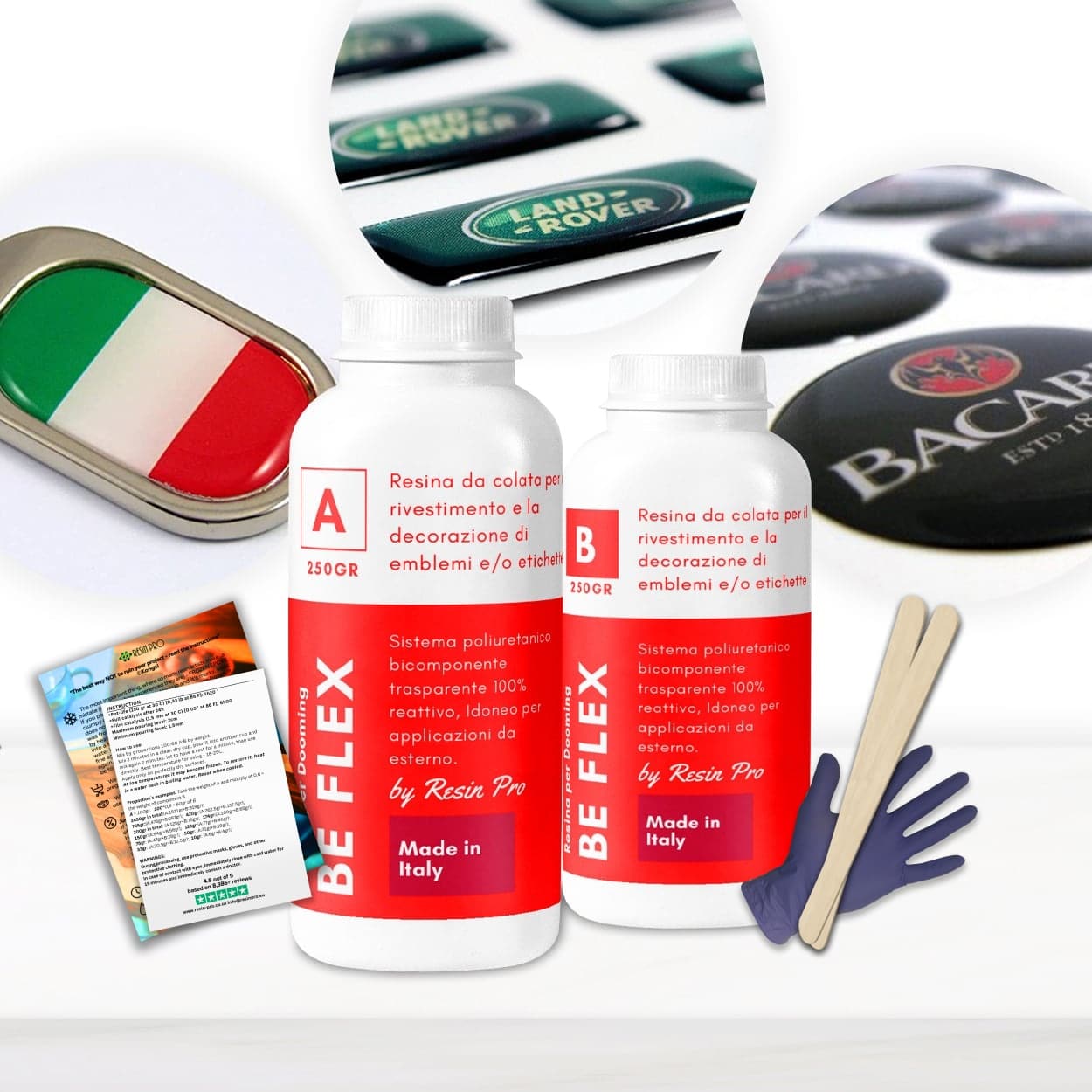
When durability and a pristine finish are essential, choosing a resin that can withstand scuffs and scratches is key. Here, we explore which resins provide the best scuff resistance and how to achieve optimal results in your own projects.
Resins with Outstanding Scuff Resistance
For projects exposed to frequent handling or abrasion, two main types of resin stand out: polyurethane doming resins and hard-setting epoxy resins. Polyurethane doming options, such as Be Flex Transparent Polyurethane Doming Resin, provide a unique combination of flexibility and abrasion resistance, making them ideal for curved items like stickers, badges, and labels. Hard-setting epoxy resins like Art Pro excel for flat surfaces requiring a tough, glass-like finish that resists everyday scuffs.
Application Tips for Scuff-Resistant Surfaces
- Surface Preparation: Ensure your base is smooth, dust-free, and clean. Imperfections can reduce both clarity and scratch resistance.
- Mixing and Pouring: Accurately follow mixing ratios and pour slowly to minimise bubbles. Doming resins typically self-level, while epoxy resins benefit from even spreading.
- Proper Curing: Allow the resin to cure fully before subjecting it to wear. Both polyurethane and epoxy options achieve maximum hardness only when fully cured.
When Scuff Resistance Really Matters
Scuff-resistant resins are particularly valued for items that experience repeated contact — such as keyrings, coasters, signage, or frequently handled art pieces. Their enhanced surface protection keeps your work looking clearer for longer, with less maintenance required.
Related products
Related guides
Selecting the best resin for scuff resistance depends on your surface and usage needs. The right choice creates a durable, attractive finish—explore more insight and step-by-step methods on our main how to make scuff resin guide.