 Free shipping on orders over £29,85
  Shipping Tracking!


 Google
 Facebook
← Back to how to make lettering for resin
Achieving sharp, crisp lettering in resin art relies heavily on selecting the right resin type. Your choice not only influences line definition but also impacts ease of application and project outcome.
Why Resin Viscosity Matters for Lettering
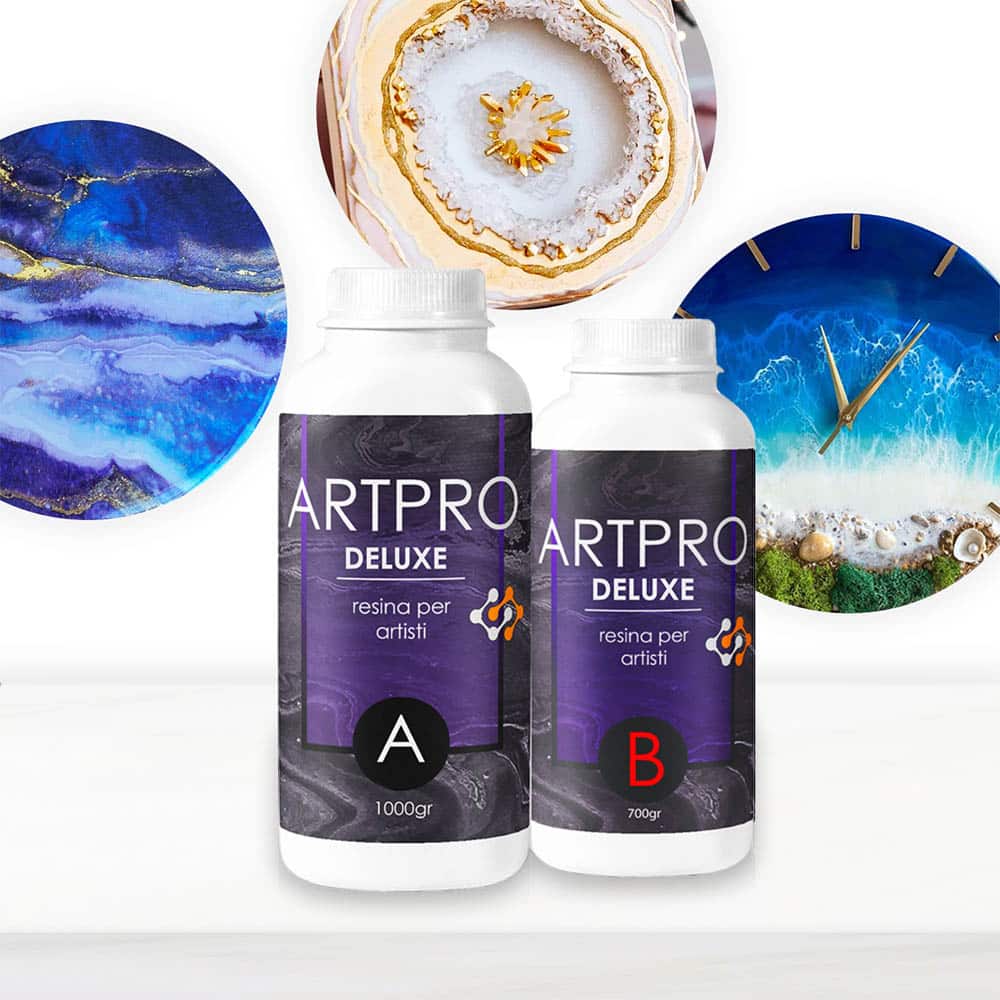
Ultra-high viscosity epoxy resins are preferred for detailed lettering because their thick consistency prevents the resin from spreading or bleeding. This allows fine lines and intricate shapes to hold their definition, perfect for typographic or scripted designs. For example, Art Pro Deluxe is purpose-made for controlled flow and line precision in resin art, making it an excellent choice for crisp lettering projects.
Tips for Achieving Sharp Lettering
- Prepare a dry, clean surface: Moisture or debris can disrupt resin flow and clarity.
- Work with epoxy-safe pigments: Avoid water-based dyes, which can cause unpredictable results with high-viscosity epoxy resins.
- Use fine applicators: Squeeze bottles, pipettes, or detailing brushes help maintain steady lines and controlled resin placement.
If you’re creating 3D or layered lettering, a UV resin like Fairy Wings allows for thin, rapid-cure applications ideal for relief effects.
When Resin Choice Matters Most
Precise line control is especially critical when making standout signage, bespoke decorative plaques, or personalised gifts featuring names and messages. Whether you’re a beginner or experienced artist, resin selection has a direct impact on achieving the clarity expected in professional resin lettering.
Related products
Related guides
Choosing the right, high-viscosity resin sets you up for clear, professional lettering results. For more advice on materials and techniques, visit our full guide on how to make lettering for resin.