 Free shipping on orders over £29,85
  Shipping Tracking!


 Google
 Facebook
how to make lettering for resin
Creating striking, customised lettering with resin is a skill that enables you to personalise jewellery, coasters, wall art, and more. Whether you prefer hand-crafted, freeform script or sharp, moulded letters, this guide will walk you through the steps for making detailed, enduring resin lettering. Perfect for new and experienced crafters eager to add individuality and professionalism to their resin projects.
Step-by-step techniques for crisp, professional resin lettering

What You’ll Need
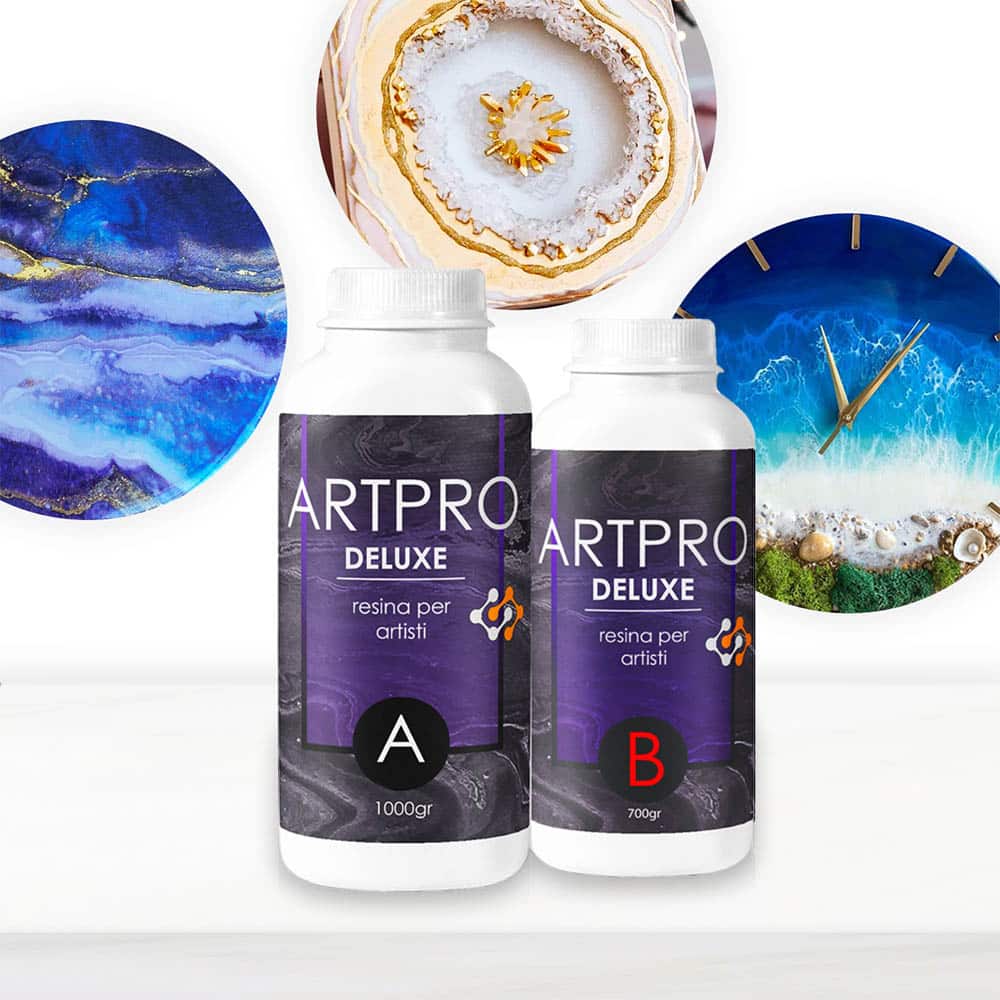
- “Art Pro Deluxe” – Ultra-High Viscosity Epoxy Resin for Artists – Ideal for precise, controlled line work and fine details.
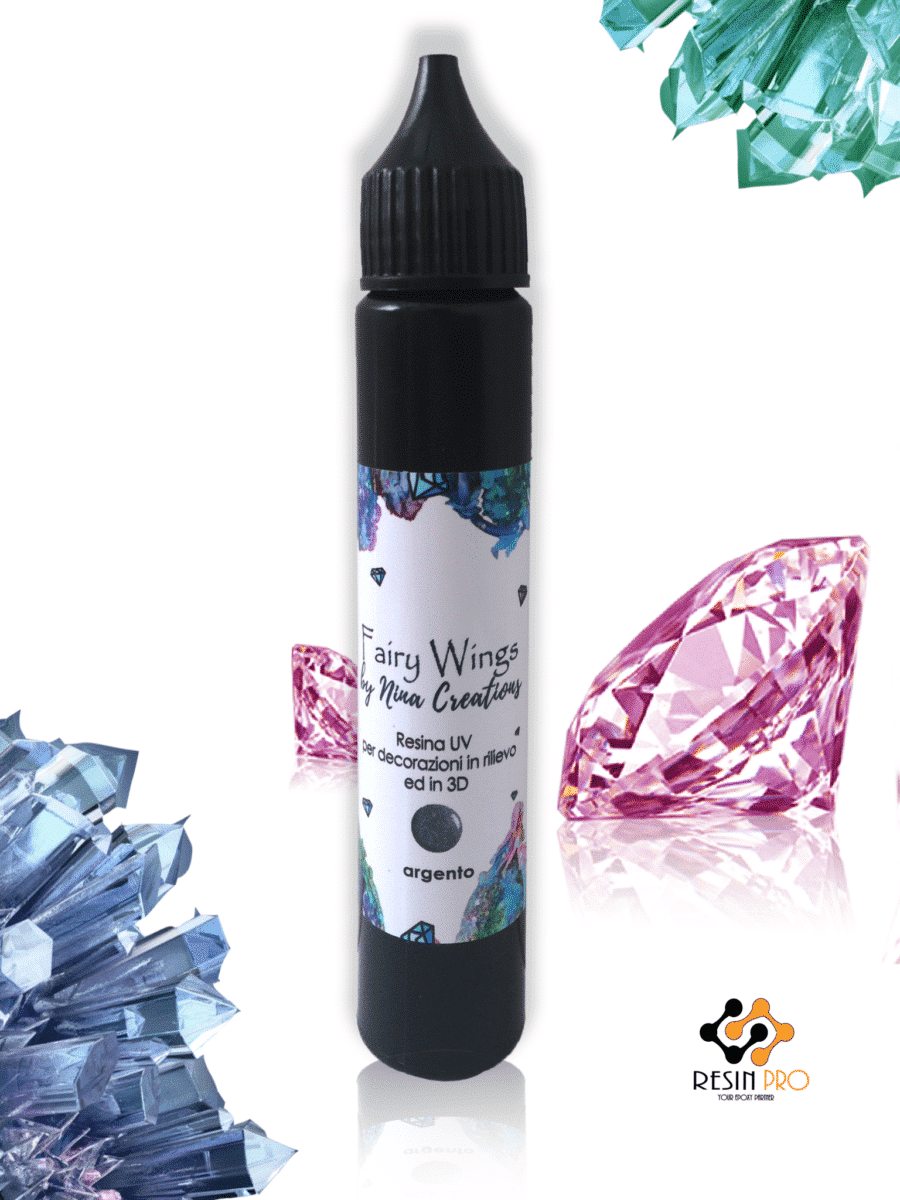
- “Fairy Wings” – UV Resin for Volumetric Reliefs, Dual Colour, 30ml – Best for raised, 3D lettering or thin, intricate details.
- “Evershine Collection” – Artisan Jewellery Epoxy Resin Kit with 100+ Accessories – Handy for letter moulds and flawless personalisation in craft jewellery.
- “UV–Creation” – Fast Acrylic Resin, 3 Minute UV Cure – Convenient for fast-setting or jewellery lettering details.
- Letter stencils, silicone letter moulds, or calligraphy pens (depending on approach)
- Mixing cups, stirring sticks, gloves, and protective gear
- UV lamp if using UV-curing products
- Fine pigment powders, acrylic pens, or decals (optional for colour/detail)

Inspiration for Resin Lettering Projects
Explore vibrant examples of resin lettering in jewellery, wall art, and bespoke gifts. From delicate script on pendants to bold 3D names for home decor, the creative opportunities are boundless.

Step 1: Prepare Your Workspace and Materials
Begin by setting up a clean, level workspace, free from dust and debris. Ensure all tools, stencils, mixing cups, and protective gear are ready. Lay down a silicone mat or wax paper to protect surfaces from spills.
Work in a well-ventilated area and wear gloves when handling resins or pigments. Gather your resin and select the method for your lettering, such as direct writing, stencilling, or using a mould.
Step 2: Plan and Outline Your Lettering
Decide the wording, style, and placement of your lettering. Lightly mark your planned design onto your base using a pencil, or secure stencils where the letters will go. For raised or moulded letters—like in personalised jewellery—choose a suitable silicone letter mould.
Test your lettering method on a practice piece first to ensure accuracy and refine your technique before committing to your main project.
Step 3: Mixing and Colouring Resin
Mix your selected resin according to its instructions. If you need crisp, controlled lines or hand-drawn lettering, a product like “Art Pro Deluxe” – Ultra-High Viscosity Epoxy Resin for Artists allows for excellent line definition. Carefully add pigments to achieve your desired shade, mixing slowly to minimise air bubbles.
For quick projects or raised details, opt for a UV-curing resin such as “Fairy Wings” – UV Resin for Volumetric Reliefs, Dual Colour, 30ml, which is ready to use and cures rapidly under a UV lamp. Always mix only as much resin as needed for each layer to prevent waste.

Step 4: Apply the Lettering to Your Piece
Pour or drip mixed resin into stencils, onto marked outlines, or into moulds—steady hands are key! When hand lettering, use a fine-tipped pipette or toothpick for greater accuracy. For small, personalised items like pendants, the “Evershine Collection” – Artisan Jewellery Epoxy Resin Kit with 100+ Accessories provides alphabet silicone moulds that are ideal for forming flawless resin letters.
If using a UV-curing resin, cure under a UV lamp following product instructions. Otherwise, cover your work to avoid dust and allow the resin to cure undisturbed as recommended. Avoid moving the piece until fully set to preserve sharp outlines.
Step 5: Finishing Touches and Protection
Once cured, gently remove stencils or letters from their moulds. You can add highlights or coloured details with paint pens or decals, sealing these with a thin coat of resin for durability. For layered designs, allow each resin layer to cure fully before adding new details to avoid smudges or blending between colours.
Polish or sand the edges if necessary for a professional finish and inspect your piece for unwanted bubbles or blemishes, repairing with an additional resin layer if required.
Tips, Common Mistakes and Troubleshooting
Work with patience and do not rush the curing times—this ensures crisp, smudge-free results. Temperature and humidity can affect resin flow and curing, so avoid extreme conditions. If bubbles appear, lightly pass a heat tool above the resin (never on UV resin) to pop them before curing.
Should your lettering appear blurred, adjust your technique by working in thinner layers or using higher-viscosity resins. Clean spills quickly, and always test colourants for compatibility to avoid discolouration.
Technique Close-Ups and Finishing Options
See detailed close-ups of lettering techniques, including layering effects, colour gradients, and how a protective topcoat enhances shine and durability in your resin artwork.

- "Art Pro Deluxe" – Ultra-High Viscosity Epoxy Resin for ArtistsPrice range: £33.85 through £287.85Art Pro Deluxe provides ultra-high viscosity for precise line control and a clear, scratch-resistant finish suited to detailed resin art.
- "Fairy Wings" – UV Resin for Volumetric Reliefs, Dual Colour, 30mlOriginal price was: £15.15.£2.85Current price is: £2.85."Fairy Wings" UV Resin is a ready-to-use acrylic gel suited for detailed 3D effects in resin lettering and decorative crafting.
 "Evershine Collection" – Artisan Jewellery Epoxy Resin Kit with 100+ Accessories£20.85"Evershine Collection" is an epoxy resin kit designed for crafting personalised jewellery using a simple 1:1 mix formula.
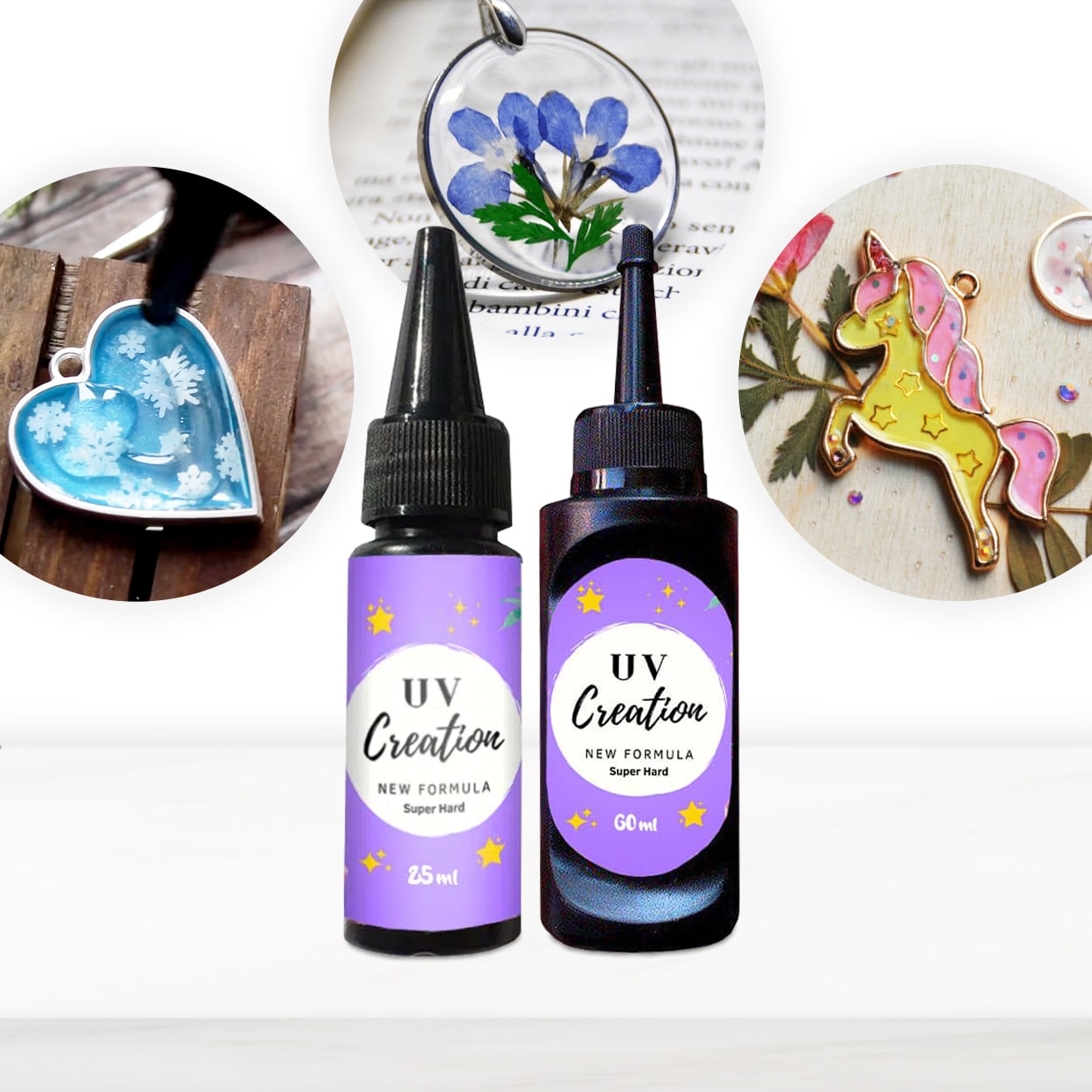 "UV–Creation" – Fast Acrylic Resin, 3 Minute UV CurePrice range: £7.85 through £59.85"UV–Creation" is a ready-to-use UV acrylic resin suited for jewellery and crafting with a fast curing time and clear, non-yellowing finish.
Frequently Asked Questions
Which type of resin is ideal for sharp, precise lettering?
Ultra-high viscosity epoxy resins offer controlled flow and help maintain line definition, making them best for intricate lettering.
How do I achieve a raised or embossed lettering effect in resin?
Use silicone letter moulds or a UV resin formulated for reliefs to build up sculptural, dimensional letters quickly and neatly.
How can I avoid bubbles forming in my resin letters or stencils?
Mix resin slowly, pour carefully, and use a fine-tipped tool for application. A gentle heat source can release surface bubbles.
Are all colourants and pens compatible with resin lettering?
Only use pigment powders or acrylic-based pens that are confirmed safe for your resin type to prevent curing or colour issues.
What is the right drying or curing time before adding fresh resin lettering or decoration?
Allow each layer to fully cure as per product guidelines before continuing—this reduces the risk of colours bleeding or lines blurring.
What should I do if my lettering does not cure right or is misshaped?
Lightly sand away errors, clean the area, and reapply resin or repaint the details as needed for correction.
What is the best way to protect and finish resin lettering?
Add a thin topcoat of clear resin for shine and resilience once all design work has fully cured.