 Free shipping on orders over £29,85
  Shipping Tracking!


 Google
 Facebook
← Back to How to make a resin ointment
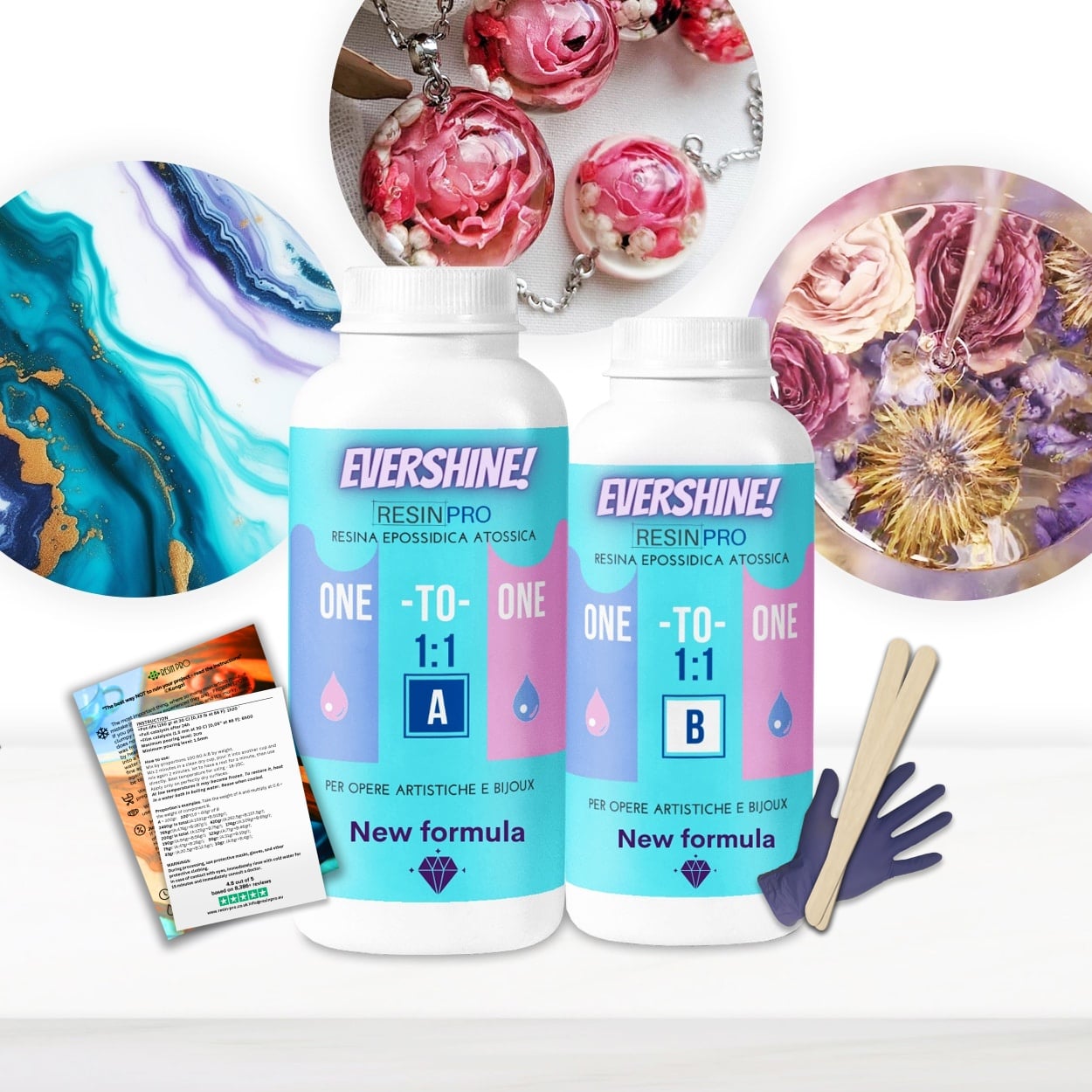
When choosing a resin for ointment-making, selecting the right type can make all the difference in both ease of use and the finished result. Here, we compare the top options to help you get started.
Epoxy Resins for Ointment Projects
For most resin ointment applications, a medium viscosity epoxy such as One-2-One Epoxy Resin is highly recommended. It’s easy to measure and mix thanks to its 1:1 ratio by volume, which is ideal for beginners and experienced makers alike. The flowing consistency makes it excellent for coatings, combining clarity with a durable, glossy finish that stands up well to everyday use. This type of resin cures transparent, allowing colours or embedded items to be clearly visible within your ointment product.
Advantages of UV Resin for Speed
For fast, smaller ointment preparations—such as surface accents or thin layers—a ready-to-use UV resin like UV–Creation Fast Acrylic Resin is an excellent choice. It cures in just a few minutes under UV light, enabling rapid progress for small batches or final touches. UV resin works especially well when you need immediate handling or want to build up layers swiftly, all while maintaining a glossy, clear finish.
When This Choice Matters
- Use medium viscosity epoxy for most ointment bases or projects requiring strength and clarity.
- Opt for UV resin when working on quick accents, tiny batches, or urgent timelines.
The resin type affects cure time, clarity, and handling, so consider your project’s size and speed requirements before deciding.
Related products
Related guides
Choosing the right resin ensures your ointment project is both successful and enjoyable. For further tips and recipes, return to our main resin ointment guide.