 Free shipping on orders over £29,85
  Shipping Tracking!


 Google
 Facebook
← Back to How to prepare resin and then shape it?
Working with resin can be creative and rewarding, but it’s important to use the right protective equipment to ensure a safe and comfortable experience. Here’s what you should know before you get started.
Key Protective Gear You Should Use
When handling resin, you should always use nitrile gloves to protect your skin from direct contact with uncured materials. A filtering mask is recommended, especially when working in smaller or enclosed spaces, to limit inhalation of fumes. Wearing an apron or protective clothing adds an extra layer so that accidental spills do not damage your clothes or come into contact with exposed skin. Create your workspace in a well-ventilated area to further reduce exposure to vapours.
Practical Guidance for Safe Resin Handling
- Change gloves regularly: Replace gloves if they become torn or contaminated.
- Ventilation matters: Open windows or use an extraction fan to keep airflow consistent.
- Keep wipes handy: Clean any drips or spills swiftly to prevent skin contact.
- Read labels carefully: Always follow the manufacturer’s safety advice for each resin brand and formula.
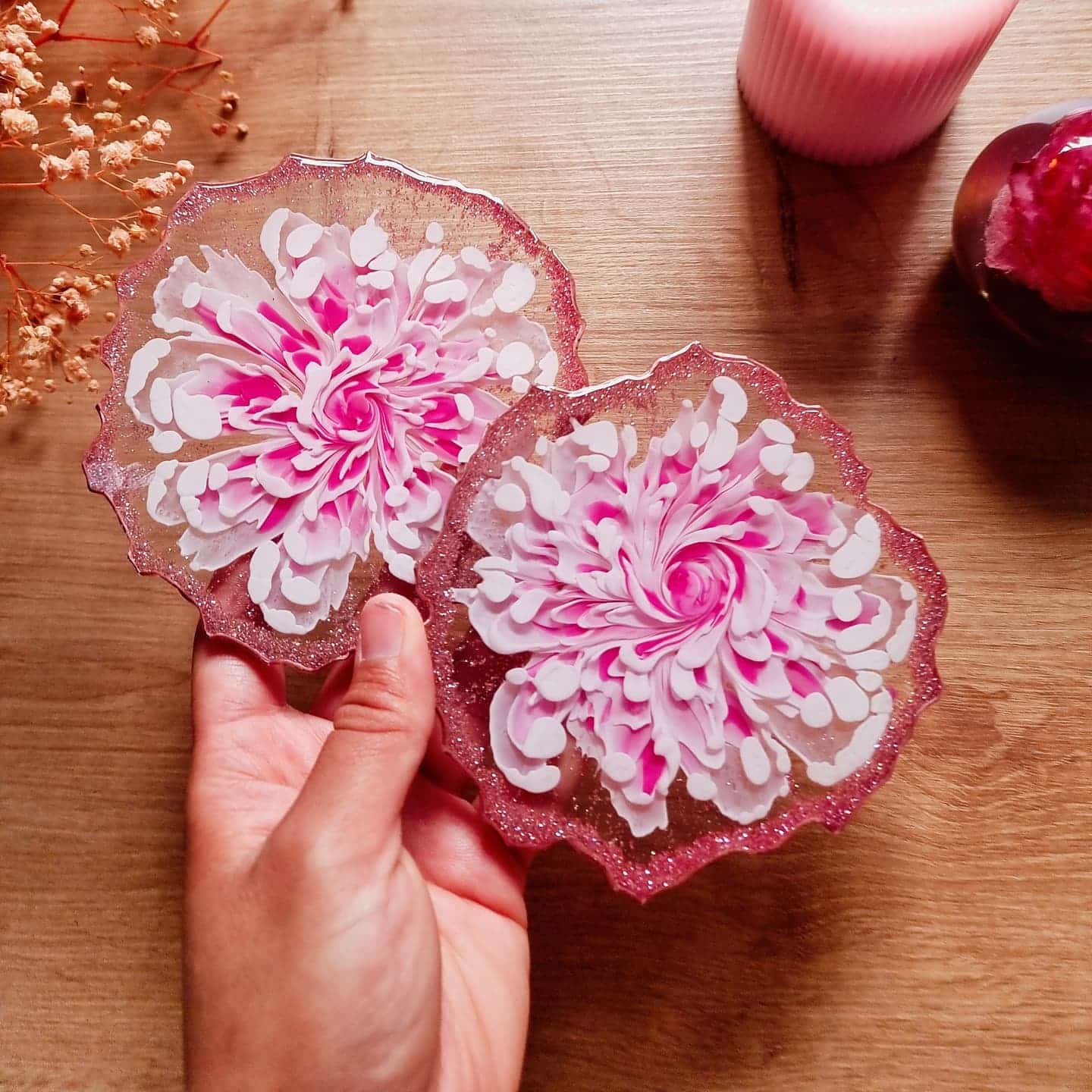
Enroling in a practical resin course, such as the Resin Class – 3D Effects Coasters Masterclass, 120 Minutes, will walk you through not just the creative processes but also the correct way to set up and protect your workspace.
When This Matters Most
If you’re just starting out, safety practices help you gain confidence working with unfamiliar substances. If you have sensitive skin or allergies, or if children or pets are present, being thorough with personal protection and clean-up is even more important each time you prepare or shape resin.
Related products
Related guides
Investing in suitable safety gear not only protects your wellbeing, but also makes the process of preparing and shaping resin far more enjoyable. For additional tips on successful resin preparation, explore our full guide on how to prepare resin and then shape it.