 Free shipping on orders over £29,85
  Shipping Tracking!


 Google
 Facebook
← Back to How to create a metallic effect with epoxy resin?
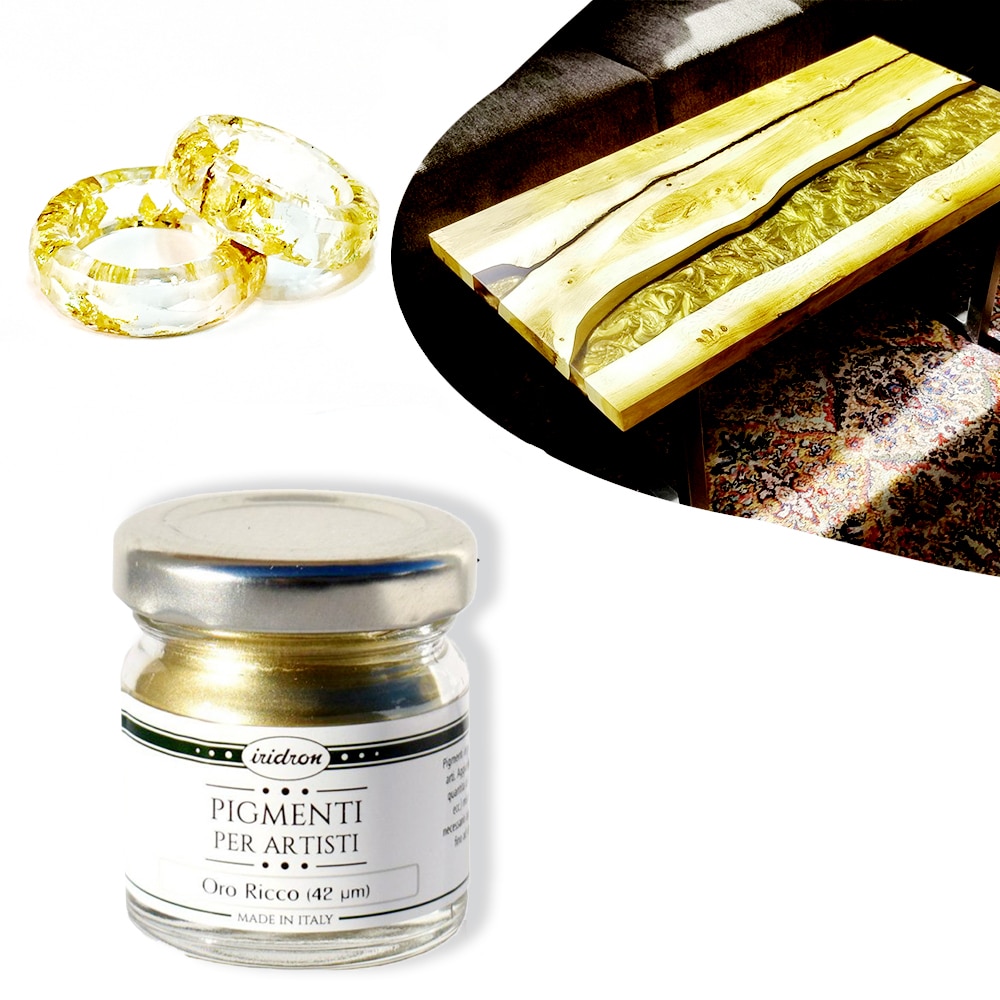
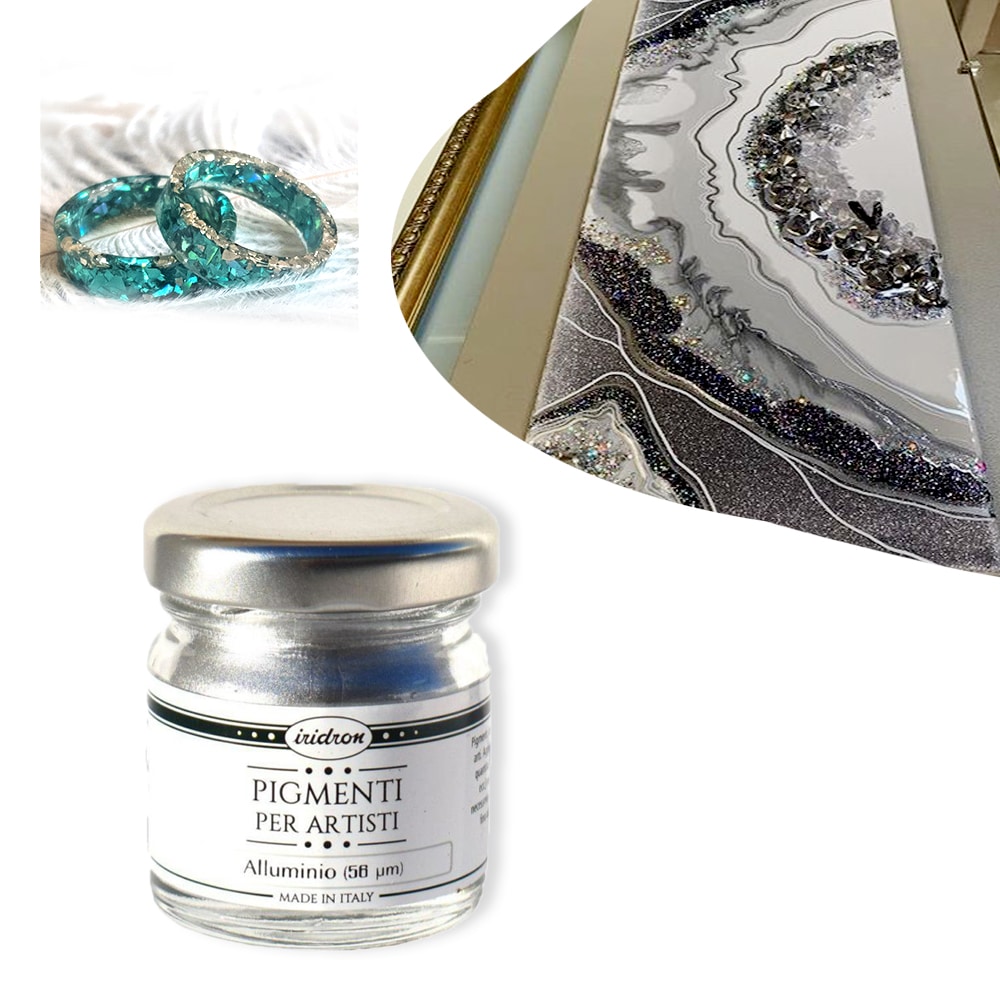
Choosing the right surface can make a remarkable difference to the outcome of your metallic resin artwork. The right base not only improves adhesion, but also enhances the brilliance and evenness of your metallic effects.
Most Suited Surfaces for Metallic Resin Pours
Smooth, sealed surfaces are widely considered the best choice for metallic resin pours. Common favourites include wooden panels, acrylic sheets, and primed canvas boards. These bases typically accept resin well and provide the stable, non-porous foundation needed for a sharp, glossy metallic look. If working with wood, make sure the piece is adequately sanded and sealed to avoid resin absorption, which can dull the finish.

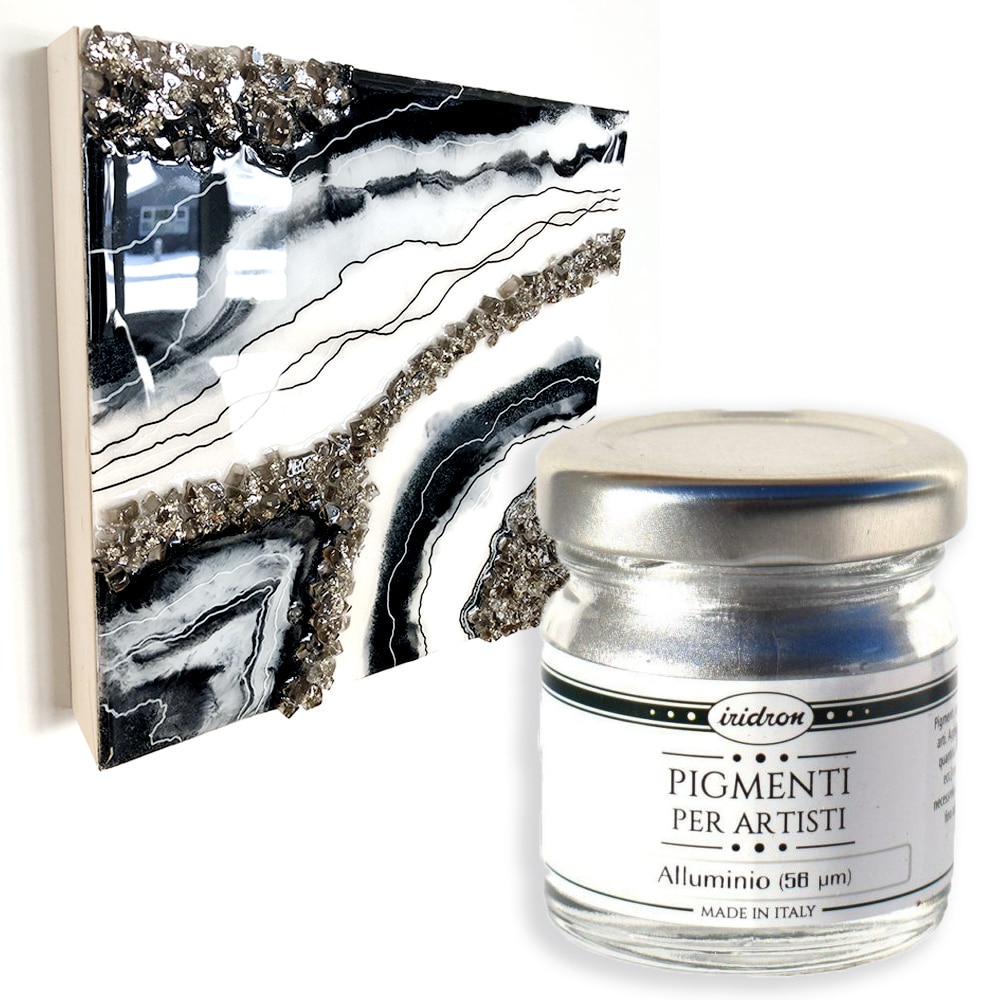
Tips for Preparing Your Chosen Surface
Proper surface preparation is essential.
- Ensure the surface is dust-free and completely dry before pouring.
- If using canvas boards, opt for pre-primed varieties to keep the resin from soaking through.
- Acrylic sheets should be cleaned with a lint-free cloth to prevent any debris from getting trapped beneath the resin layer.
- Always seal porous materials to promote even resin flow and strong adhesion.
Getting the Most from Your Metallic Resin Pour
For striking results, match a high-quality base with premium pigments such as the Iridron high-gloss floating metallic pigments. Mix your chosen pigment with clear epoxy and pour slowly, tilting the surface as needed for even distribution. A smooth and level base ensures the metallic elements rise beautifully, revealing their shimmer and reflective character with ease.

When Surface Selection Matters Most
If your project is a centrepiece, functional object, or large artwork, surface choice is particularly important. Stability and smoothness will help prevent warping and patchy finishes, crucial for achieving flawless metallic effects.
Related products
Related guides
By starting with the right surface and preparation, you set the stage for stunning metallic resin effects. For a full guide on techniques and materials, return to our main guide on creating metallic effects with epoxy resin.