 Free shipping on orders over £29,85
  Shipping Tracking!


 Google
 Facebook
← Back to How to prepare two-component epoxy putty?
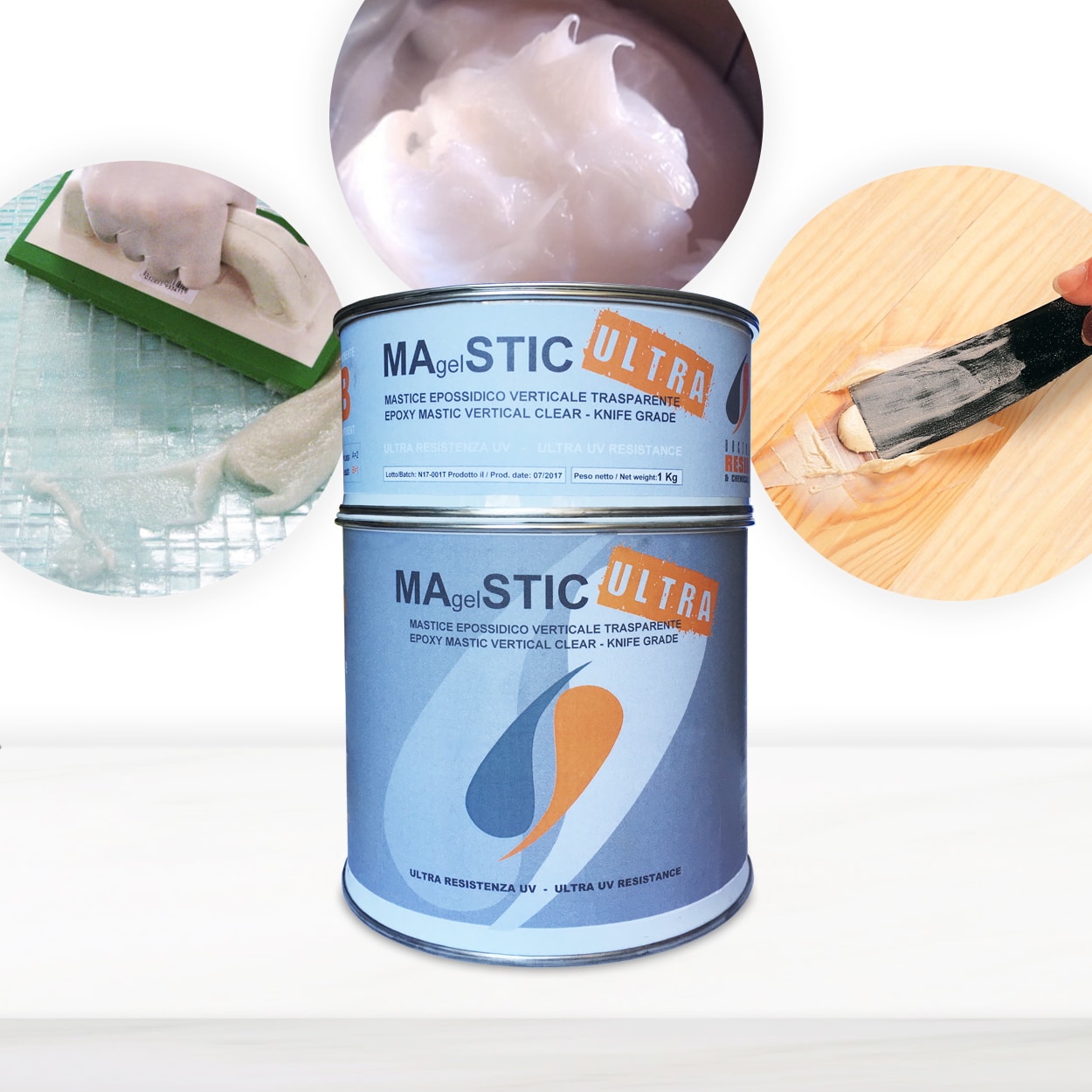
Getting the temperature right is essential when preparing and applying two-component epoxy putty, as it determines both curing reliability and application quality. Let’s explore the best working conditions for your next epoxy project.
Why Temperature Matters for Epoxy Putty Curing
Temperature directly influences how well your epoxy putty cures and performs. For most two-component systems, a minimum ambient temperature of 10°C is recommended. Below this threshold, the putty may cure unevenly or not harden at all, which can compromise adhesion and longevity. Working at or above 10°C encourages consistent mixing, even spreading, and full mechanical strength after cure.
How to Prepare Epoxy Putty in Cooler Conditions
If your workspace is below 10°C, try to warm the area using a portable heater or work indoors where temperatures are more stable. Always bring both resin and hardener up to room temperature before mixing to ensure a thorough blend and predictable curing. For projects such as bonding stone, metal, or cement—like those handled with Magelstick Epoxy Mastic—this step is especially crucial.
When Warmth Makes a Difference
- Outdoor repairs: Outdoor temperature swings can extend curing times or affect results. Only start work if the temperature is stable and above 10°C.
- Vertical or overhead applications: Epoxy with thixotropic properties, such as Magelstick, benefits from the right temperature to stay put while curing.
- Precision projects: Warmer temperatures support a smoother finish and consistent handling, vital for restoration or fine repair tasks.
Related products
Related guides
Always check the temperature before starting your epoxy putty work. Creating the right environment ensures trouble-free application and reliable results, a key principle covered in our main guide to preparing two-component epoxy putty.